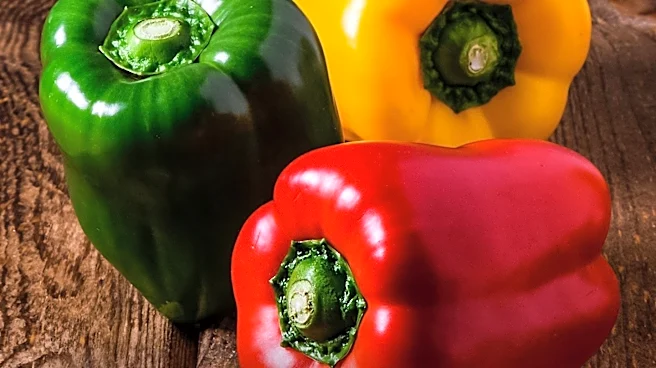








Bell peppers, a member of the Capsicum annuum species, have a rich history that traces back to ancient Mesoamerica. These vibrant fruits have traveled far from their origins, becoming a staple in cuisines worldwide. This article explores the historical journey of bell peppers from their domestication to their global spread.
Origins and Domestication
Bell peppers are native to Mexico, Central America, and parts of South America. The Capsicum genus, to which bell peppers belong,
originated in Bolivia and Brazil. From there, it spread to Mesoamerica and the Caribbean, where it was domesticated by indigenous peoples. The domestication of Capsicum annuum led to the development of various pepper varieties, including the bell pepper, cayenne, jalapeño, and tabasco.
The process of domestication involved selective breeding, which allowed early cultivators to enhance desirable traits such as size, flavor, and color. This selective breeding resulted in the sweet, mild bell peppers we know today, which are distinct from their spicier relatives. The domestication of bell peppers is a testament to the agricultural ingenuity of ancient Mesoamerican cultures.
Global Spread
The spread of bell peppers beyond the Americas began with the Columbian Exchange, a period of widespread transfer of plants, animals, and culture between the Americas and the Old World. European explorers and traders introduced bell peppers to Europe, where they quickly gained popularity due to their unique flavor and versatility.
From Europe, bell peppers spread to other parts of the world, including Asia and Africa. Each region adapted the fruit to its culinary traditions, leading to a variety of uses and preparations. In Europe, bell peppers became a key ingredient in dishes like ratatouille and paella. In Asia, they are often used in stir-fries and curries, while in Africa, they are incorporated into stews and sauces.
Modern Cultivation
Today, bell peppers are cultivated worldwide, with major production centers in countries like China, Mexico, and the United States. Advances in agricultural technology have allowed for the development of new cultivars, each with unique characteristics and flavors. Despite their global spread, bell peppers remain closely tied to their Mesoamerican roots, a reminder of their rich history and cultural significance.
The journey of bell peppers from Mesoamerica to the world highlights the interconnectedness of global cultures and the enduring impact of ancient agricultural practices. As a beloved ingredient in kitchens around the globe, bell peppers continue to be a symbol of culinary diversity and innovation.