



Mariner 1 was NASA's first attempt at an interplanetary mission, aimed at conducting a flyby of Venus. Launched on July 22, 1962, the mission was a significant milestone in space exploration. However, it ended in failure shortly after liftoff due to a guidance error, leading to the destruction of the spacecraft. This article delves into the timeline of events surrounding the launch and the subsequent failure of Mariner 1.
The Preparation and Launch
The launch of Mariner 1 was
initially scheduled for the early morning of July 21, 1962. However, several delays occurred due to issues with the range safety command system, pushing the countdown to 11:33 p.m. EST the night before. A blown fuse in the range safety circuits caused the launch to be canceled just 79 minutes before the scheduled time. The countdown was reset, and the launch proceeded with several holds, both planned and unplanned, from 11:08 p.m. through the early morning of July 22.
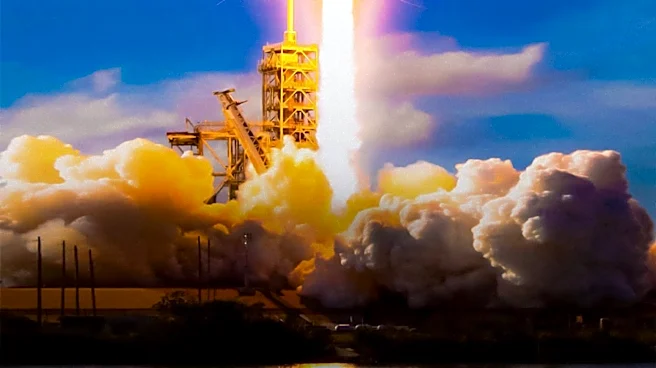
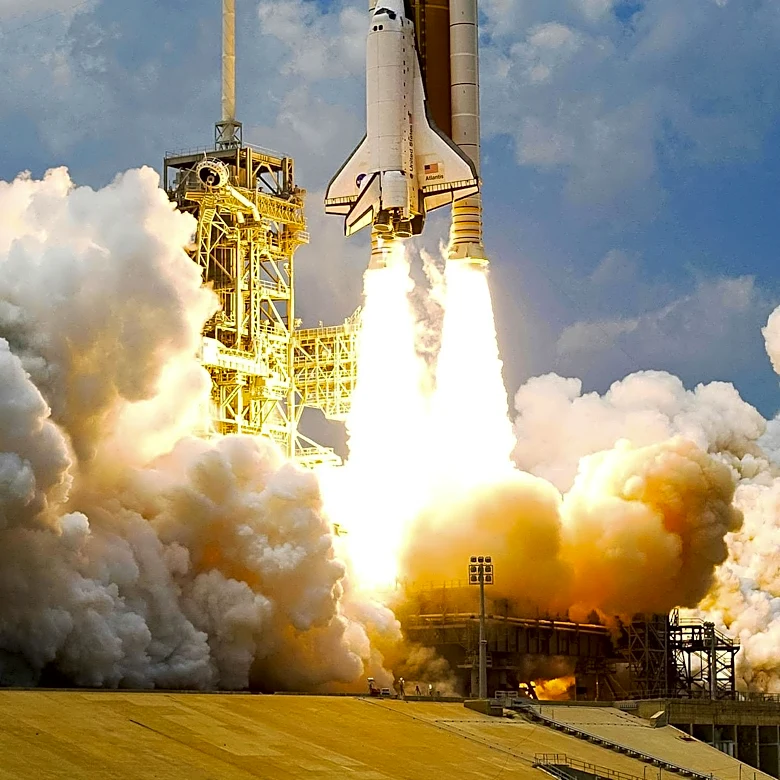
At 9:21:23 a.m. on July 22, 1962, Mariner 1's Atlas-Agena rocket lifted off from Cape Canaveral's Launch Complex 12. The launch initially went according to plan, with the booster separation occurring as expected. However, during the sustainer phase, the guidance system began issuing improper steering instructions, causing the rocket to fishtail left and right. The flight trajectory pointed downward and to the left of the intended path, creating a risk of impacting crowded Atlantic shipping lanes.
The Guidance Error and Destruction
The guidance error was traced to a mistake in the specification of the hand-written guidance equations, which were subsequently codified in the computer program. The error involved a missing symbol in the guidance equations, which led to the malfunction. The Burroughs guidance computer used data transmitted from the Atlas's rate beacon to issue steering commands. A character called an R-bar was supposed to instruct the computer to ignore data from the rate beacon if it failed in-flight, but it was accidentally left out of the program.
As a result, when the booster briefly lost guidance-lock with the ground, the faulty guidance logic caused the program to report erratic velocity fluctuations, leading to actual erratic behavior. This forced the range safety officer to order the rocket's destruction at 9:26:16 a.m., just six seconds before the Agena second stage was scheduled to separate from the Atlas.
The Aftermath and Legacy
The destruction of Mariner 1 was a significant setback for NASA, constituting an $18.5 million loss. The incident underscored the importance of thorough pre-launch debugging of software and the need to engineer programs to prevent minor errors from causing catastrophic failures. The procedures implemented as a result of this failure served NASA well in future missions, including the Project Apollo Moon landings.
Despite the failure of Mariner 1, its sister spacecraft, Mariner 2, was successfully launched on August 27, 1962, and became the first spacecraft to return data from the vicinity of Venus on December 14, 1962. The lessons learned from Mariner 1's failure contributed to the development of software engineering as a discipline, highlighting the critical role of software reliability in space exploration.