





When engaging in water sports or activities in aquatic environments, selecting the appropriate thermal protection is crucial for safety and comfort. The two primary options are wetsuits and dry suits, each designed with distinct mechanisms and suited for different conditions. Understanding their fundamental differences in how they manage water and insulation is key to making an informed choice, particularly for activities ranging from surfing in temperate
waters to diving in extreme cold.
Fundamental Differences in Water Management
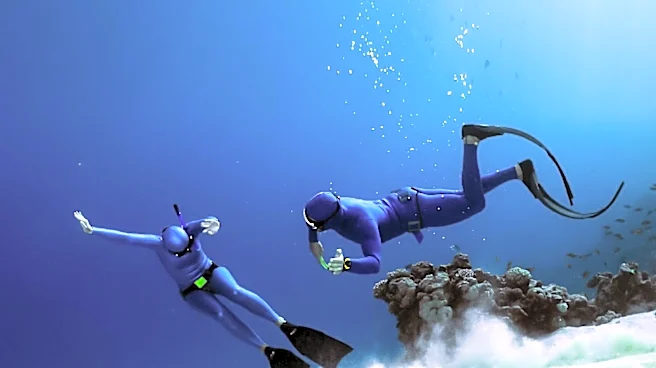
The most significant distinction between a wetsuit and a dry suit lies in their approach to water. A wetsuit, by design, allows a small amount of water to enter and become trapped between the suit and the wearer's body. This thin layer of water is then warmed by body heat, providing insulation. The effectiveness of a wetsuit relies on a snug fit to limit water circulation within the suit and prevent the constant flushing of this warmed layer with cold external water. Wetsuits are typically made of foamed neoprene, which contains gas bubbles that reduce heat conduction and provide buoyancy.
In contrast, a dry suit is engineered to prevent any water from entering, keeping the wearer and their undergarments completely dry. This design allows for superior insulation, as the undergarments, often made of synthetic fibers, trap a layer of air for thermal protection. Dry suits are generally more expensive and complex to use than wetsuits, but their ability to keep the wearer dry makes them suitable for colder temperatures or environments with contaminated water. They also require additional skills for safe use, particularly for divers, due to the need for inflation and deflation to manage buoyancy and prevent "squeeze" at depth.
Applications and Environmental Considerations
Wetsuits offer adequate protection in warm to moderately cold waters. They are commonly used by surfers, windsurfers, canoeists, and divers in conditions where the water temperature is not extreme. The thickness of wetsuits varies, with common options ranging from 1mm to 10mm, allowing users to select a suit appropriate for the specific water temperature and activity. For instance, a thin "shortie" covering only the torso, upper arms, and thighs might be used in warmer conditions, while a thick 8mm semi-dry suit would be chosen for colder waters, often complemented by neoprene boots, gloves, and a hood.
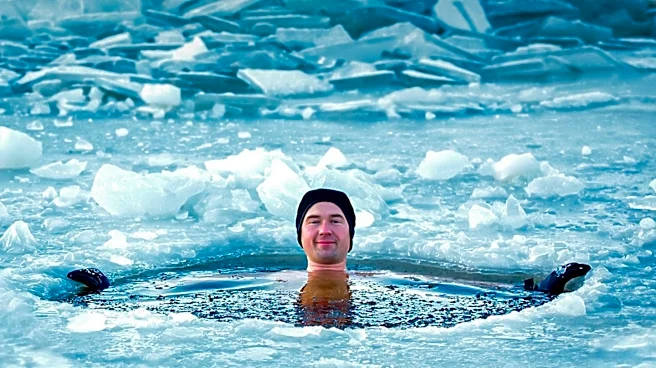
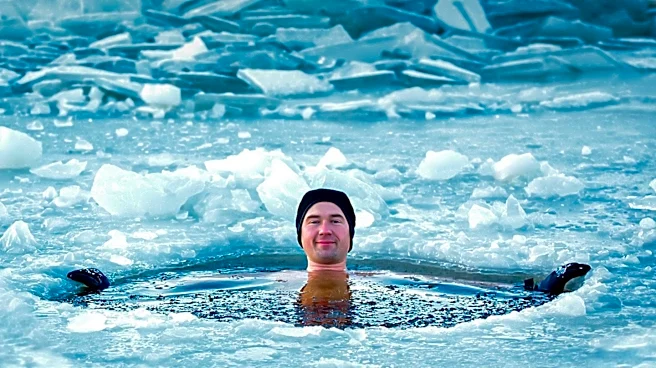
Dry suits, on the other hand, are essential for very cold water, such as ice diving, or in situations where exposure to contaminated water is a risk. While wetsuits lose some insulating effectiveness as depth compresses the neoprene's gas bubbles, dry suits maintain their insulation by allowing divers to inflate them with gas, preserving the loft of the undergarments. This makes dry suits the preferred choice for commercial diving in cold water, especially when using helium-based breathing gases which increase heat loss. Hot water suits, a specialized type of dry suit, are even used in extreme cold, where heated water is continuously piped into the suit to maintain the diver's core temperature.