








Arthur Crudup, often overshadowed by the artists who covered his songs, played a crucial role in the development of rock and roll. Known for his blues-infused style, Crudup's work laid the foundation for a genre that would revolutionize the music industry. This article delves into Crudup's contributions and his lasting impact on music.
Early Life and Musical Beginnings
Arthur Crudup was born in Union Grove, Mississippi, in 1905. He grew up in a family of migrant workers and began his
musical journey singing gospel music. Crudup learned to play the guitar from a local bluesman named Papa Harvey, which set the stage for his future career in blues music. By the 1940s, Crudup had moved to Chicago, where he began performing in dance halls and cafes.
Crudup's big break came when he was discovered by record producer Lester Melrose. This led to a recording contract with RCA Victor's Bluebird label, where Crudup began to make a name for himself in the blues scene. His unique style, characterized by a blend of traditional blues and electric guitar, set him apart from his contemporaries.
The Creation of 'That's All Right'
In 1946, Crudup recorded "That's All Right," a song that would later be recognized as a precursor to rock and roll. The song was released in 1947 and re-released in 1949 under the title "That's All Right, Mama." Despite its lack of commercial success at the time, the song is now considered by some historians to be one of the first rock and roll songs.
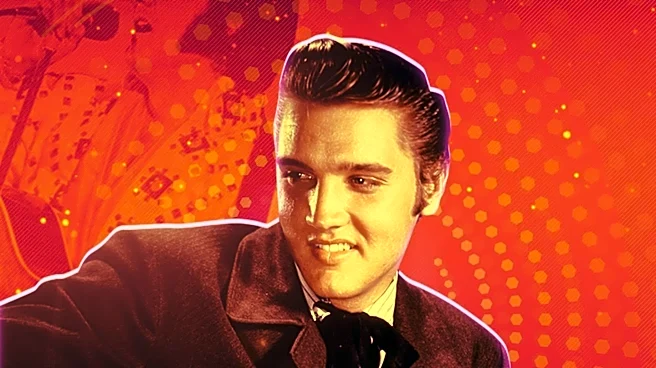
Crudup's influence extended beyond his own recordings. His work inspired a new generation of musicians, including Elvis Presley, who famously covered "That's All Right" in 1954. Presley's version brought the song to a wider audience and solidified its place in music history.
Legacy and Recognition
Despite his contributions to music, Crudup faced significant challenges in his career. He struggled with financial difficulties and disputes over royalties, which led him to stop recording in the 1950s. However, his influence on rock and roll is undeniable. Crudup is often referred to as "The Father of Rock and Roll," a title that acknowledges his pioneering role in the genre.
Elvis Presley himself recognized Crudup's impact, stating that he aspired to be as good as Crudup. Today, Crudup's legacy is celebrated with a marker on the Mississippi Blues Trail, honoring his contributions to music and his role in shaping the sound of rock and roll.