









The 1920s, often referred to as the Roaring Twenties, was a decade of significant social and cultural change. At the heart of this transformation were the flappers, a subculture of young women who defied traditional norms and embraced a new, liberated lifestyle. Flappers became symbols of the era, representing a break from the past and the emergence of modern womanhood.
The Rise of the Flapper
Flappers emerged in the aftermath of World War I, a time when society was undergoing
rapid change. The war had challenged traditional gender roles, as women took on new responsibilities in the workforce and gained greater independence. This newfound freedom was reflected in the fashion and behavior of flappers, who rejected the restrictive clothing and social conventions of the past.
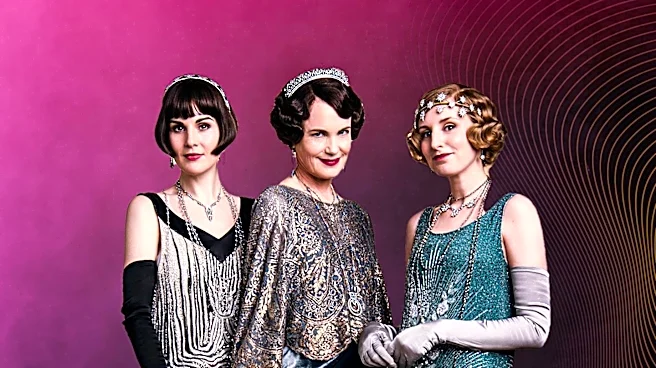
Flappers were known for their distinctive style, which included knee-length skirts, bobbed hair, and a penchant for jazz music. They were often seen as brash and rebellious, flaunting their disregard for societal norms by wearing excessive makeup, smoking in public, and engaging in casual relationships. This behavior was shocking to many at the time, but it also represented a new era of freedom and self-expression for women.
Cultural Impact of the Flapper
The flapper phenomenon had a profound impact on the culture of the 1920s. Flappers challenged traditional notions of femininity and paved the way for future generations of women to assert their independence. They were often depicted in popular media, from magazines to films, as the embodiment of modernity and youth.
The influence of flappers extended beyond fashion and behavior. They played a significant role in the broader cultural shifts of the decade, including the rise of jazz music and the loosening of social mores. Flappers were often associated with the jazz age, a period characterized by a vibrant nightlife and a celebration of new forms of entertainment. Their embrace of jazz music and dance further cemented their status as cultural icons of the era.
Legacy of the Flapper
The legacy of the flapper continues to resonate today. While the flapper era was relatively short-lived, its impact on fashion, culture, and society was lasting. The flapper's rejection of traditional gender roles and embrace of individuality set the stage for future movements advocating for women's rights and equality.
In many ways, the flapper was a precursor to the modern feminist movement, challenging the status quo and advocating for greater freedom and autonomy for women. The flapper's influence can still be seen in contemporary fashion and culture, as women continue to push boundaries and redefine what it means to be feminine. The flapper remains an enduring symbol of the Roaring Twenties and a testament to the power of cultural change.