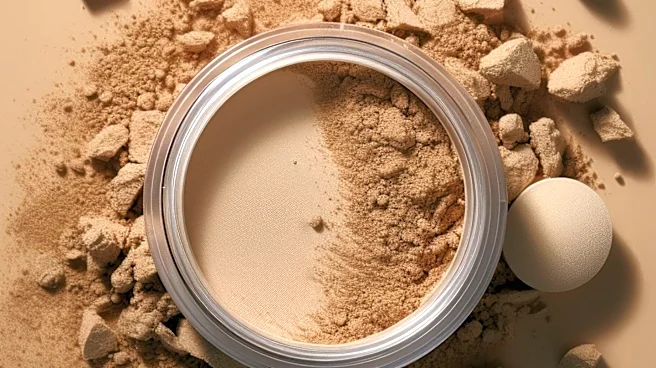





Face powder has been a staple in beauty routines for centuries, evolving significantly from its ancient origins to the modern formulations we know today. This article explores the journey of face powder, highlighting its use in ancient civilizations, its transformation through the ages, and its current status in the beauty industry.
Ancient Beginnings
The use of face powder dates back to ancient civilizations, where it was primarily used to achieve a pale complexion,
a sign of beauty and status. In ancient Greece, women used white lead, a by-product of silver mining, to whiten their faces. Despite the known toxicity of lead, it was widely used, as documented by Greek writers like Xenophon and Eubulus, who noted the societal divide in cosmetic use between the wealthy and the poor.
Similarly, in ancient Egypt, face powder was part of a broader beauty regimen that included eye makeup and rouge. The Egyptians believed in the power of cosmetics not only for beauty but also for protection against illness. Cleopatra, the iconic Egyptian queen, influenced beauty standards with her distinctive makeup style, which included the use of colored powders for the eyes.
The Transition to Safer Alternatives
As the dangers of lead became more apparent, the quest for safer alternatives began. By the 20th century, the beauty industry had shifted towards less harmful ingredients. The Edwardian era saw women using face powder to enhance their natural beauty, with a preference for pale, powdered skin. However, the 1920s marked a significant shift as Hollywood's influence made the powdered look popular across different social classes.
The rise of cosmetic brands in the late 1920s, such as those founded by Elizabeth Arden and Helena Rubinstein, marked a turning point. These brands developed safer face powders that catered to a broader audience, including women of color. Anthony Overton's creation of the High-Brown Face Powder in 1898 was a pioneering step in this direction, offering darker shades for African-American women.
Modern-Day Face Powder
Today, face powder is a versatile product used for setting makeup, reducing shine, and achieving a flawless complexion. The 1938 Food, Drugs, and Cosmetics Act ensured that modern face powders are safe for use, free from harmful substances like lead. The post-World War II era saw a boom in the cosmetic industry, with innovations like Max Factor's Crème Puff, a multipurpose face powder that set new standards.
The 1970s and beyond have seen an increased focus on diversity and inclusivity in cosmetics, with a wide range of shades available to suit all skin tones. Face powder remains a staple in makeup routines, valued for its ability to enhance and perfect the skin's appearance.