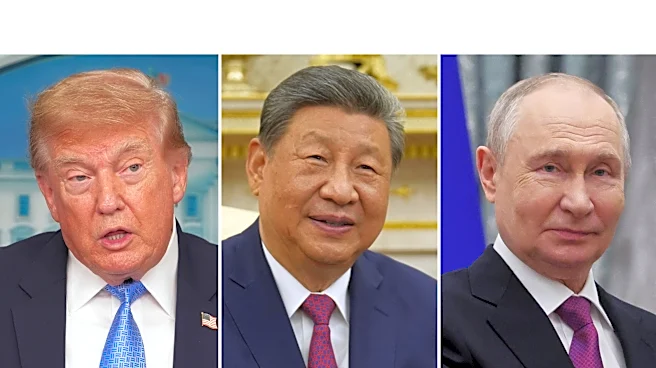





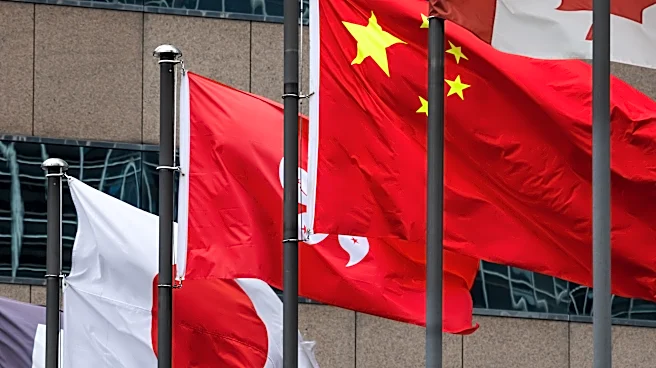

The 2022 G20 Bali Summit served as a crucial platform for discussions surrounding the intricate relationship between the United States and China. These interactions were closely observed, particularly the talks between U.S. President Joe Biden and Chinese leader Xi Jinping. Reports from The Wall Street Journal indicated that these high-level discussions signaled a notable shift in U.S.-China ties, moving towards a strategy focused on managing their
intense competition. This approach aimed to prevent the rivalry from escalating into broader conflict, emphasizing a more structured way of handling their differences.
Biden's Assurance and the Avoidance of a New Cold War
A significant outcome of the meeting between President Biden and President Xi was Biden's public assurance regarding the future of U.S.-China relations. BBC News reported that during their encounter, the U.S. leader explicitly promised "no new Cold War" with China. This statement was a key message, suggesting a desire to avoid a return to the kind of geopolitical standoff that characterized the Cold War era. It underscored an intention to maintain lines of communication and manage disagreements without allowing them to define the entirety of the bilateral relationship.
This commitment from President Biden highlighted a strategic effort to de-escalate tensions and foster a more predictable environment for international relations. The declaration aimed to reassure global partners and signal a nuanced approach to dealing with China, acknowledging competition while also seeking areas of cooperation or at least stable coexistence. The emphasis was on preventing miscalculation and ensuring that the competitive aspects of the relationship did not spill over into direct confrontation.
Joint Stance on Nuclear Weapons and Ukraine
Beyond the broader bilateral relationship, the summit also saw the U.S. and China address specific global concerns, particularly the conflict in Ukraine. During the summit, U.S. President Joe Biden stated that he and Chinese leader Xi Jinping had jointly agreed that Russia should refrain from using nuclear weapons in Ukraine. This shared position on such a critical issue demonstrated a rare alignment between the two global powers, at least on this particular aspect of the conflict.
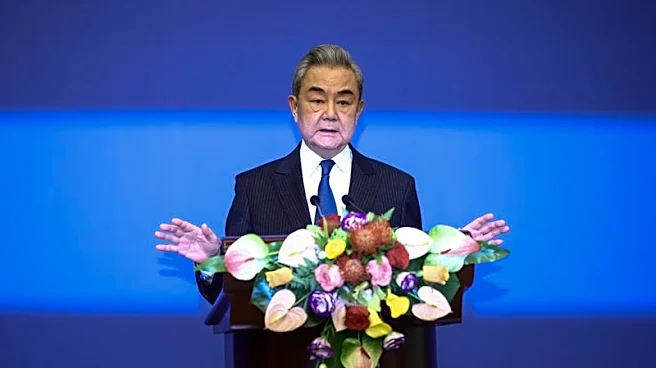
Chinese state media outlet Xinhua further elaborated on China's stance, reporting that Chinese Foreign Minister Wang Yi conveyed to his Russian counterpart, Sergei Lavrov, that Moscow's position of avoiding nuclear warfare reflected a "rational" and "responsible" attitude. This exchange underscored a mutual understanding between the U.S. and China regarding the severe implications of nuclear escalation in the ongoing conflict. The joint agreement on this matter, as reported by President Biden, indicated a shared concern for global stability and a desire to prevent the conflict from reaching a more dangerous phase, despite their broader competitive relationship.
Managing Differences Amidst Competition
The interactions at the 2022 G20 Bali Summit between the U.S. and China underscore a complex and evolving dynamic. While fierce competition remains a defining characteristic of their relationship, the discussions between Biden and Xi marked a deliberate effort to manage these differences. The focus on preventing a "new Cold War" and the joint agreement on the non-use of nuclear weapons in Ukraine illustrate a strategic pivot towards establishing guardrails for their rivalry.
This approach suggests a recognition from both sides that despite their divergent interests and geopolitical competition, there are shared global responsibilities and a need to maintain channels for dialogue. The summit provided a critical opportunity for the leaders to engage directly, setting a tone for future interactions that prioritizes stability and the management of potential flashpoints. The outcomes of these discussions highlight the ongoing efforts to navigate the complexities of U.S.-China relations in a way that seeks to mitigate risks and foster a degree of predictability in an increasingly interconnected world.