








Henry Ford, an American engineer and industrialist, fundamentally reshaped the automotive industry with his ambitious goal: to create a car for the masses. Born on July 30, 1863, in Springwells Township, Michigan, Ford's journey from an early interest in machines to founding the Ford Motor Company in 1903 marked a pivotal moment in industrial history. His vision was not just about manufacturing vehicles, but about making them affordable and widely
available, a concept that was revolutionary at the time and dramatically changed how people lived and traveled.
The Genesis of Mass Production
Ford began producing cars in 1896, but it was his establishment of the Ford Motor Company in 1903 that set the stage for his most significant innovations. Initially, he served as the company's first vice president, later becoming president in 1906. His desire to produce a car for "the majority" led to the development of the Ford Model T, which began production in 1908. This vehicle was designed to be an inexpensive car, a stark contrast to the luxury automobiles that dominated the market.
The Model T's affordability was a key factor in its success. Ford recognized that if cars were to become a common mode of transportation, they needed to be within the financial reach of average families. This commitment to affordability drove his manufacturing strategies, pushing for efficiencies that would lower production costs without compromising quality. The public's enthusiasm for the Model T was immense, leading to a demand that Ford initially struggled to meet.
The Assembly Line Revolution
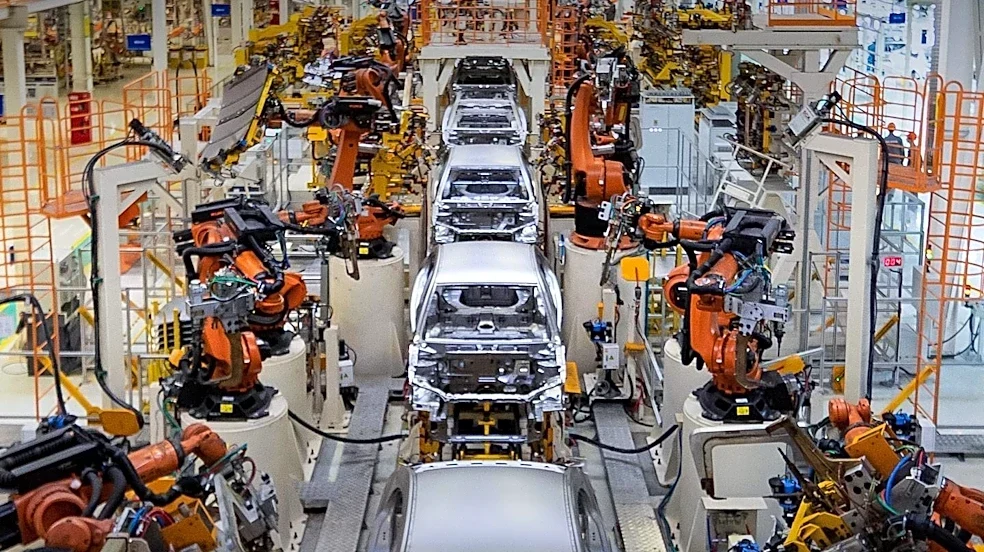
To address the overwhelming demand for the Model T and further reduce costs, Ford introduced a groundbreaking manufacturing method: the assembly line. This innovative approach, often referred to as "conveyor assembly," was a significant departure from traditional production techniques. Before the assembly line, cars were largely built by skilled craftsmen who assembled each vehicle individually, a time-consuming and expensive process.
The assembly line streamlined production by breaking down the manufacturing process into smaller, repetitive tasks performed by workers along a moving line. This method drastically cut down the time required to build a car. By making the production process faster and more efficient, Ford was able to produce a large number of cars quickly and at a much lower cost than his competitors. This efficiency not only made the Model T more affordable but also allowed Ford to scale his operations to meet the burgeoning market demand, solidifying his legacy as a pioneer of modern industrial production.