






Mexican cuisine is renowned for its rich diversity, and its soups offer a prime example of this culinary breadth, with regional variations and distinct flavor profiles. Tortilla soup, a traditional dish particularly common in the Mexico City area, serves as an excellent entry point into this world of savory broths and hearty ingredients. While its exact origin remains unknown, its widespread popularity and the subtle differences in its preparation
across regions highlight the dynamic nature of Mexican cooking. Beyond tortilla soup, a vibrant array of other traditional Mexican soups showcases the unique ingredients and culinary traditions found throughout the country.
Tortilla Soup's Regional Nuances
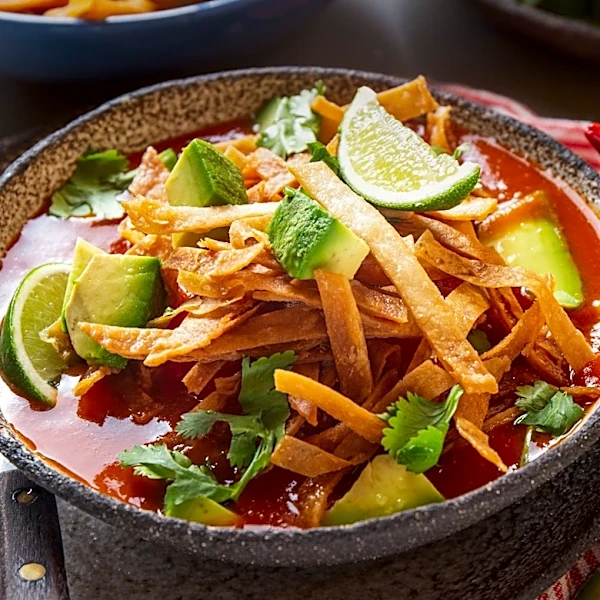
Even within the seemingly straightforward preparation of tortilla soup, regional preferences emerge, particularly concerning the choice of chiles. While pasilla chiles are the most frequently used variety, contributing a mild, smoky flavor, cooks in different areas may opt for other types to achieve distinct tastes. For instance, regional variants might incorporate chile ancho, known for its fruity and earthy notes, or chile de arbol, which delivers a more pronounced heat. This flexibility in chile selection allows for a spectrum of flavors within the broader category of tortilla soup, reflecting local availability and culinary traditions.
The prominence of tortilla soup in Mexico City further underscores its regional significance. As a traditional "American soup" (referring to North American, specifically Mexican), its commonality in this major metropolitan area suggests a deep-rooted cultural connection. The combination of fried corn tortilla pieces with a broth of roasted tomatoes, onion, garlic, and chiles, often garnished with avocado, lime, and Mexican crema, represents a beloved culinary expression that has been embraced and adapted across various communities, even if the core recipe remains consistent.
Sopa de Lima: A Yucatecan Specialty
Venturing beyond Mexico City, the state of Yucatan offers its own distinctive soup, *Sopa de lima*, or lime soup. This traditional dish is a testament to Yucatan's unique culinary heritage, which blends Hispanic and Yucatecan Mayan cultures. Sopa de lima is typically prepared with chicken or other meats like pork or beef, and its defining characteristic is the inclusion of lime juice, which imparts a light, citrusy flavor. It is commonly served with tortilla chips, much like tortilla soup, providing a textural contrast to the broth.
The history of Sopa de lima is relatively recent, with its creation attributed to a master named Katún in 1946. The soup's development reflects the region's historical isolation, which fostered a distinct culinary identity. The combination of animals introduced from Europe, local spices, and traditional cooking methods resulted in dishes like Sopa de lima, which today is considered one of Yucatan's most representative soups. Despite the name, lime is not the main ingredient by volume, but it is the key component that gives the soup its characteristic flavor, complemented by ingredients such as tomato, bell pepper, and cilantro.
A Panorama of Mexican Soups
The landscape of Mexican soups extends far beyond tortilla soup and Sopa de lima, encompassing a rich variety of preparations that cater to diverse tastes and regional ingredients. Other notable Mexican soups include *Caldo de siete mares* (seven seas soup), *Caldo tlalpeño*, *Caldo Xóchitl*, *Menudo*, *Pozole*, and *Mole de olla*. Each of these soups boasts its own unique set of ingredients and preparation methods, contributing to the vast tapestry of Mexican gastronomy.
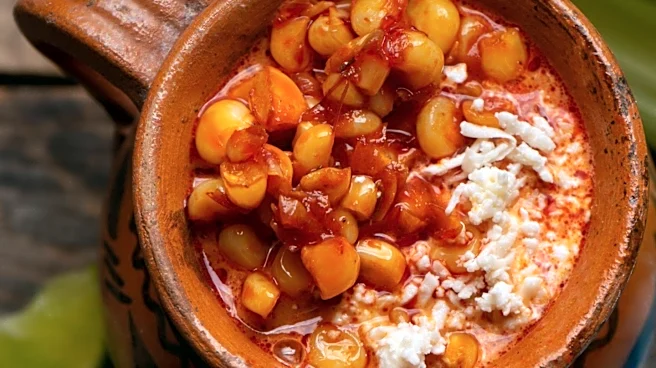
*Menudo*, for example, is another traditional Mexican soup with significant regional variations. In northern Mexico, hominy is typically added, while in northwestern states like Sinaloa and Sonora, a "blanco" (white) variation is common, omitting red pepper for a clear broth. Central Mexico might refer to "menudo" as a stew of sheep stomach, and in southwestern Mexico, it's known as *panza* or *panza guisada*. The red variation is often seen in Chihuahua and Nuevo León, and in Texas, yellow hominy is commonly used. Some versions even substitute garbanzo beans for hominy. This wide array of soups, each with its own story and regional adaptations, underscores the depth and complexity of Mexico's culinary traditions, offering a continuous journey of discovery for those exploring its flavors.