








John R. Lynch was a trailblazer in American politics during the Reconstruction era, a period marked by significant social and political change following the Civil War. As one of the first African Americans to hold significant political office in the United States, Lynch's contributions were pivotal in shaping the course of Reconstruction and advancing civil rights.
The Path to Political Leadership
Born into slavery in 1847, John R. Lynch's early life was shaped by the harsh realities
of the antebellum South. However, the Emancipation Proclamation in 1863 marked a turning point, granting him and his family freedom. Lynch's journey from slavery to political leadership was fueled by his determination to improve his circumstances and those of his fellow African Americans.
Lynch's political career began in Natchez, Mississippi, where he was appointed as a Justice of the Peace in 1869. His leadership abilities quickly gained recognition, and he was elected to the Mississippi House of Representatives later that year. In 1872, Lynch achieved a historic milestone by becoming the first African-American Speaker of the Mississippi House of Representatives. His election to this position was a testament to his political acumen and ability to navigate the complex dynamics of post-war Mississippi.
Congressional Tenure and Advocacy
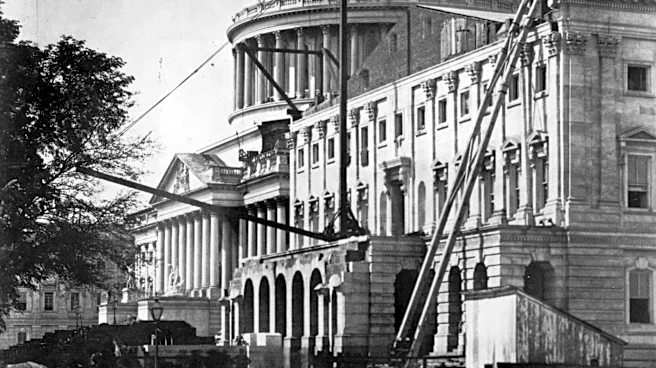
In 1872, Lynch was elected to the U.S. House of Representatives, representing Mississippi's 6th congressional district. As one of the first African-American Congressmen from the South, Lynch played a crucial role in advocating for civil rights and equality. His tenure in Congress was marked by his support for the Civil Rights Act of 1875, which sought to eliminate discrimination in public accommodations.
Lynch's speeches in Congress emphasized the importance of equal protection under the law and the need for African Americans to have the same public rights as other citizens. He argued that the legislation would not force social integration but would ensure that all citizens could enjoy public rights without discrimination. Lynch's advocacy was instrumental in highlighting the injustices faced by African Americans and pushing for legislative change.
Challenges and Legacy
Despite his achievements, Lynch faced significant challenges during his political career. The rise of white supremacist groups like the White League and the Democratic Party's efforts to regain control in Mississippi led to increased violence and voter suppression. Lynch's district was redrawn to ensure white majorities, and he faced contested elections and political opposition.
After leaving Congress, Lynch continued to be active in politics and public service. He studied law and was admitted to the Mississippi bar, but the disenfranchisement of African Americans in the state led him to move to Washington, D.C., to practice law. Lynch also served in the U.S. Army during the Spanish-American War, achieving the rank of major.
Lynch's legacy extends beyond his political career. He was an accomplished writer, publishing "The Facts of Reconstruction" in 1913, which challenged the negative perceptions of Reconstruction and highlighted the contributions of African Americans. His work provided a counter-narrative to the dominant historical interpretations of the time.
John R. Lynch's life and career were marked by resilience and a commitment to justice and equality. His contributions during the Reconstruction era laid the groundwork for future civil rights advancements and continue to inspire those who fight for equality and justice today.