



The 1937 season was a landmark year for the New York Yankees, showcasing their enduring dominance in Major League Baseball. This was the team's 35th season, and it culminated in their ninth pennant, a testament to their consistent excellence. The Yankees finished the season with an impressive record of 102 wins against just 52 losses, demonstrating a significant lead over their competitors. Their performance was so strong that they ended the season 13
games ahead of the second-place Detroit Tigers, solidifying their position as the premier team in the American League.
Managerial Excellence Under Joe McCarthy
At the helm of this formidable team was manager Joe McCarthy, a figure synonymous with Yankees success during this era. McCarthy's leadership was a critical factor in the team's ability to achieve such a dominant record. His strategic acumen and ability to manage a roster of star players contributed significantly to the Yankees' consistent winning ways. The 1937 season under McCarthy's guidance was a clear example of his managerial prowess, as he steered the team through a demanding schedule to a commanding league victory.
McCarthy's influence extended beyond just game-day decisions; he fostered a winning culture that allowed the Yankees to perform at an elite level year after year. The team's ability to secure their ninth pennant under his management underscored his importance to the franchise's success. His leadership was a cornerstone of the Yankees' dynasty, making the 1937 season another highlight in his illustrious career.
Yankee Stadium's Transformation
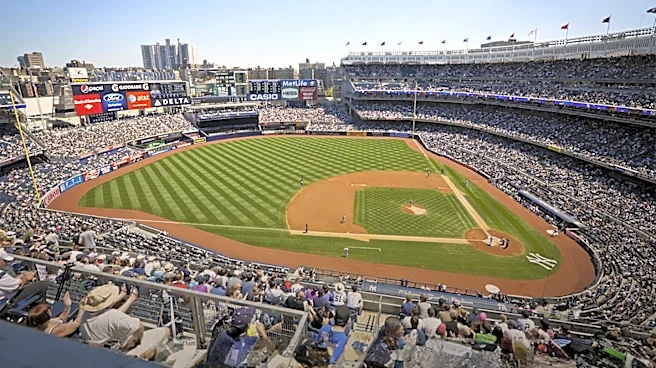
Beyond the on-field achievements, the 1937 season also marked a period of significant change for the Yankees' home, Yankee Stadium. The ballpark underwent substantial renovations, with the most notable alteration being the replacement of the aging wooden bleachers with new concrete structures. These changes were not merely cosmetic; they had a direct impact on the physical layout of the playing field.
The renovation considerably reduced the size of the cavernous "Death Valley" area in left-center and center field. This section of the outfield had long been a daunting target for hitters, particularly right-handed power hitters. Even with the reduction in size, the area remained a challenging target, as evidenced by its continued impact on players like Joe DiMaggio. These modifications to Yankee Stadium reflected a continuous effort to modernize facilities and adapt to the evolving game, ensuring the stadium remained a premier venue for baseball.