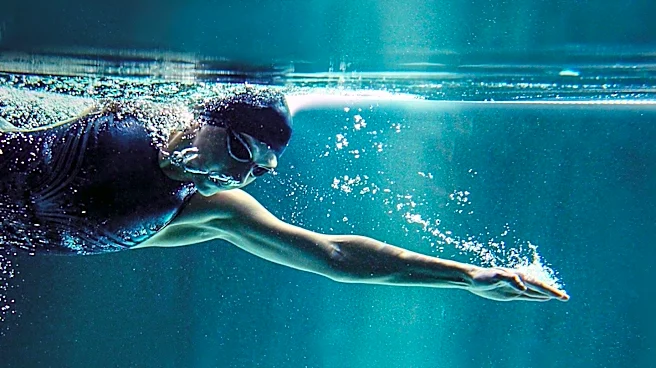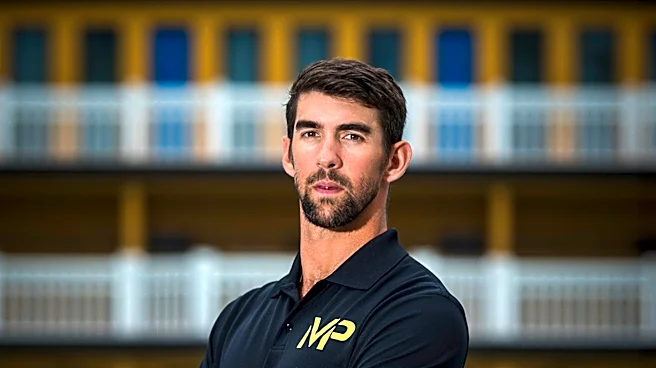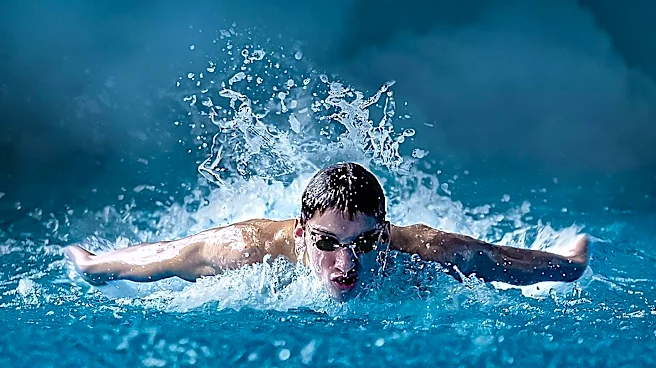



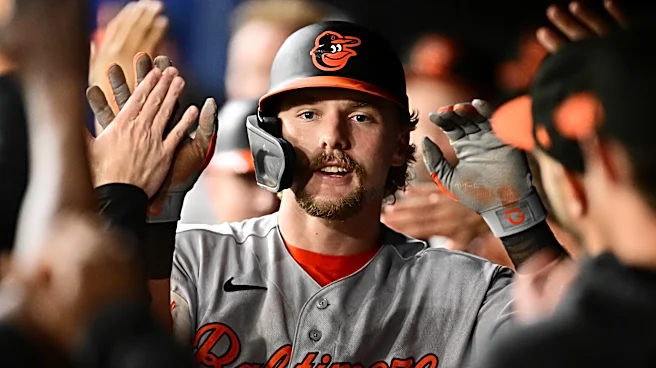

Michael Fred Phelps II, born in Baltimore on June 30, 1985, would go on to become the most decorated Olympian of all time. However, his journey to unparalleled swimming success began in his early childhood, marked by personal challenges and a rapid, almost unprecedented, rise through the ranks of competitive swimming. From a young age, Phelps displayed a natural aptitude for the water, quickly transforming from a child seeking an outlet for his energy
into a prodigious talent who would soon shatter world records and redefine the sport.
Childhood and Early Challenges
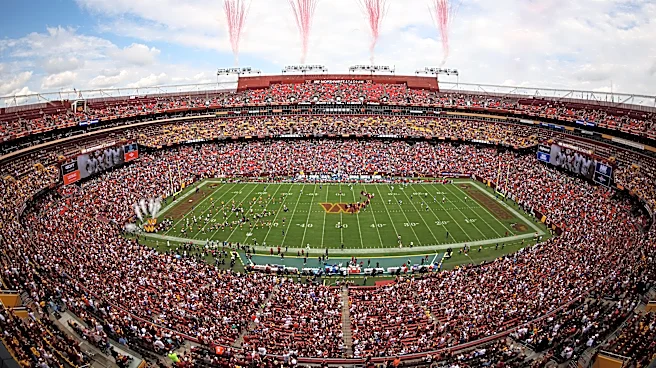
Phelps grew up in the Rodgers Forge neighborhood of Towson, north Baltimore, the youngest of three siblings. His mother served as a high school director, while his father, Michael Fred Phelps, was a retired Maryland State Police officer who had a background in football, even trying out for the Washington Redskins in the 1970s. His parents divorced in 1994, and his father remarried in 2000. Phelps himself graduated from Towson High School in 2003.
His introduction to swimming at the age of seven was partly influenced by his sisters and a recognized need to manage his hyperactivity. In sixth grade, he was diagnosed with Attention Deficit Hyperactivity Disorder (ADHD). This early engagement with swimming proved to be a pivotal point, providing a structured environment where his energy could be channeled into athletic pursuit.
The Path to Prodigy Status
Phelps's talent quickly became evident. By the age of 10, he had already achieved a national record for swimmers in his age group, signaling his exceptional potential. This early success led him to train at the North Baltimore Aquatic Club under the guidance of coach Bob Bowman, a partnership that would become legendary in the swimming world. Under Bowman's tutelage, Phelps continued to break age group records with remarkable consistency, demonstrating a rapid improvement that set him apart from his peers.
His swift progress culminated in his qualification for the Sydney 2000 Olympic Games at just 15 years old. This achievement made him the youngest male swimmer in 68 years to join the U.S. Olympic swimming team. Although he did not secure a medal in Sydney, he reached the final of the 200-meter butterfly event, ultimately placing fifth. This initial Olympic experience, though medal-less, provided invaluable exposure to elite competition and foreshadowed the global stage he would soon dominate.
Breaking World Records and Becoming a World Champion
Just five months after his Sydney Olympic debut, Phelps began to make an indelible mark on the sport. On March 30, 2001, at the qualifying trials for the World Swimming Championships, he broke the world record in the 200-meter butterfly. At 15 years and 9 months old, he became the youngest male swimmer ever to hold a world record, surpassing the previous record set by Ian Thorpe in the 400-meter freestyle at 16 years and 10 months. This was a clear indication that a new force had arrived in international swimming.
Phelps continued his ascent at the Fukuoka World Championships, where he further improved his own 200-meter butterfly record, securing his first world championship title. His early career was characterized by a relentless pursuit of excellence and a consistent ability to push the boundaries of what was thought possible in the pool. By 2002, at the National Championships in Fort Lauderdale, Florida, he had already broken the world record in the 400-meter individual medley, alongside national records in the 100-meter butterfly and 200-meter individual medley, firmly establishing himself as a multi-stroke phenomenon.