






Yankee Stadium is more than just a baseball field; it is a symbol of the rich history and tradition of the New York Yankees. Since its opening in 1923, Yankee Stadium has been the backdrop for countless memorable moments in baseball history. This article examines the evolution of Yankee Stadium, highlighting its significance as a landmark in the sport and its role in shaping the identity of the Yankees.
The Birth of Yankee Stadium
The construction of Yankee Stadium was a pivotal
moment in the history of the New York Yankees. Prior to its opening, the Yankees shared the Polo Grounds with the New York Giants, but the team's growing popularity necessitated a move to a larger venue. In 1923, Yankee Stadium was completed at a cost of $2.5 million, equivalent to $40 million today. The stadium was designed to accommodate over 55,000 fans, making it one of the largest in baseball at the time.
Yankee Stadium quickly became known as "The House That Ruth Built," a testament to Babe Ruth's impact on the team's success and the stadium's construction. On opening day, Ruth hit a home run, setting the tone for the stadium's legacy as a place where history is made. The Yankees' first World Series championship in 1923 further solidified the stadium's reputation as a venue for greatness.
Renovations and Modernization
Over the years, Yankee Stadium underwent several renovations to modernize its facilities and accommodate the growing fan base. In the 1970s, the stadium was closed for two years for extensive renovations, which included altering the dimensions and reconfiguring the seating. These changes were necessary to maintain the stadium's status as a premier venue for baseball.
Despite the renovations, Yankee Stadium retained its iconic features, such as the frieze that adorns the upper deck and the monuments in center field. These elements have become synonymous with the Yankees and their storied history. The stadium's ability to evolve while preserving its heritage is a testament to its significance in baseball.
The New Yankee Stadium
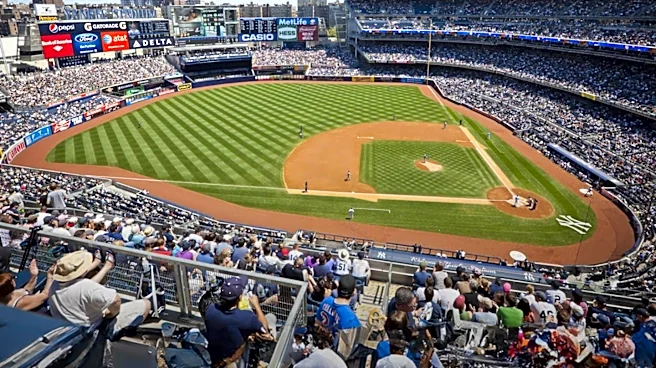
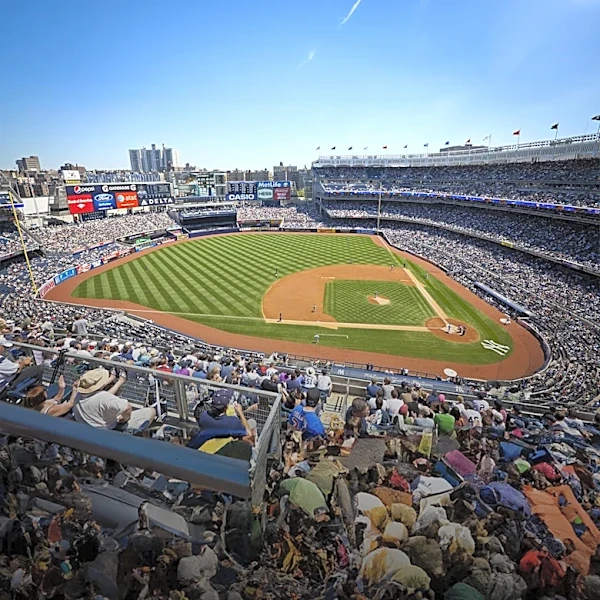
In 2009, the Yankees moved to a new Yankee Stadium, located just a block north of the original site. The new stadium was built to reflect the grandeur of its predecessor while incorporating modern amenities. It features a capacity of approximately 52,000 and includes luxury suites and state-of-the-art facilities.
The new Yankee Stadium continues to serve as a symbol of the Yankees' legacy, hosting memorable games and events that contribute to the team's history. Monument Park, which honors past Yankees greats, was transplanted from the old stadium, ensuring that the team's heritage remains a central part of the new venue.
Yankee Stadium, both old and new, stands as a testament to the enduring legacy of the New York Yankees. Its evolution reflects the team's commitment to excellence and its role as a cornerstone of baseball history. As fans continue to flock to Yankee Stadium, they are reminded of the rich tradition and unforgettable moments that have defined the Yankees for generations.