





Jack Dunn's tenure as the owner and manager of the Baltimore Orioles left an indelible mark on minor league baseball. His innovative strategies and leadership transformed the Orioles into a dominant force and set new standards for the sport. This article examines Dunn's lasting impact on the Orioles and the broader baseball community.
Building a Baseball Powerhouse
Jack Dunn took over the Baltimore Orioles in 1907 and quickly set about transforming the team into a powerhouse. By
1909, he had purchased the team and began implementing his unique approach to player development. Dunn's focus on scouting players based on appearance rather than proven skills was a departure from traditional methods, but it proved effective in building a successful team.
Under Dunn's leadership, the Orioles became a formidable force in the minor leagues. His ability to identify and nurture talent was evident in the team's performance, as they consistently won games and championships. Dunn's innovative strategies not only elevated the Orioles but also set a new standard for team management in baseball.
Overcoming Challenges and Achieving Success
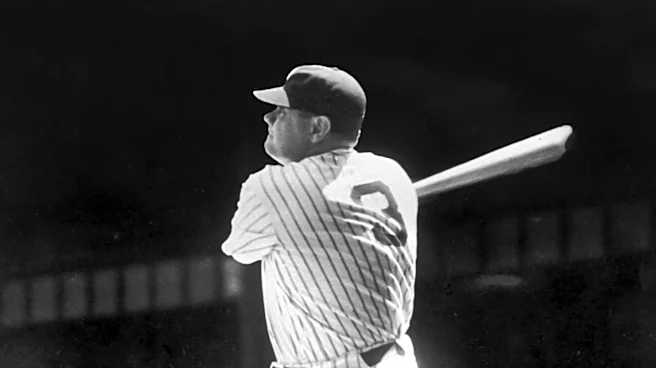
Despite the team's success on the field, Dunn faced significant challenges off the field. In 1914, the Orioles struggled financially due to competition from the Baltimore Terrapins, a team from the new Federal League. The Terrapins' modern stadium drew fans away from the Orioles, impacting their revenue. To keep the team afloat, Dunn made the difficult decision to sell star players, including Babe Ruth.
Despite these setbacks, Dunn's leadership and vision allowed the Orioles to rebound. After relocating the team to Richmond, Virginia, and then back to Baltimore, Dunn rebuilt the team into a powerhouse. The Orioles went on to win seven consecutive International League championships, a testament to Dunn's ability to overcome challenges and achieve success.
A Lasting Influence on Baseball
Jack Dunn's impact on baseball extended beyond his time with the Orioles. His innovative approach to team management and player development influenced future generations of team owners and managers. Dunn's focus on potential over proven skills challenged traditional methods and paved the way for new strategies in the sport.
Dunn's legacy is also evident in the continued success of the Orioles. His family remained involved with the team, with his son, Jack Dunn Jr., playing for and co-managing the Orioles until his death in 1923. Dunn's influence on baseball is still remembered today, as he laid the groundwork for future generations of players and managers. His story is a testament to the power of vision, innovation, and perseverance in the world of sports.