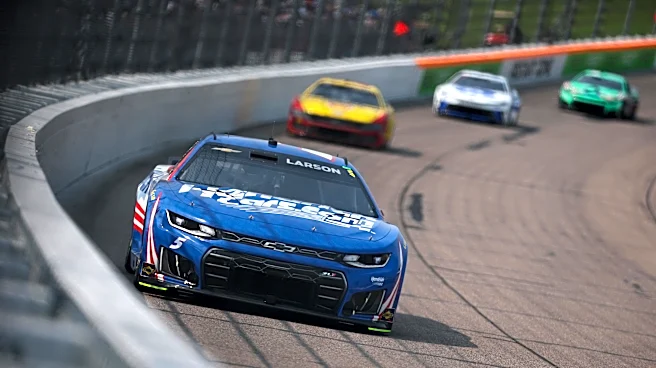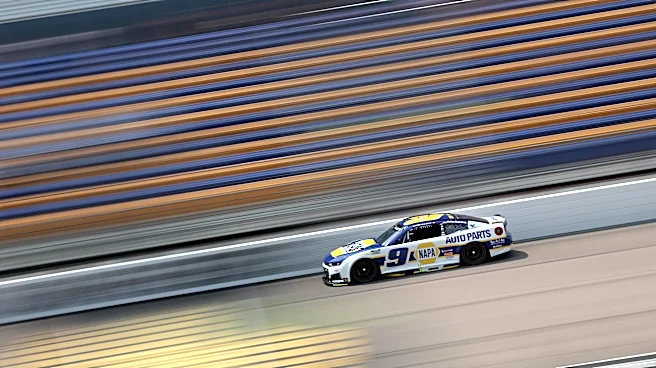


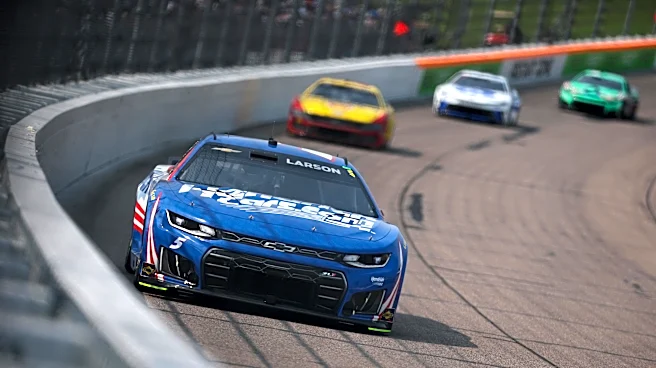
The 1999 Jiffy Lube 300 stands out as a particularly eventful race within the 1999 NASCAR Winston Cup Series. Held on July 11, 1999, at the New Hampshire International Speedway in Loudon, New Hampshire, this race was the 18th stop on the season's tour. It was a contest marked by strategic fuel management, unexpected turns of events, and a dramatic finish that saw a driver starting deep in the field claim victory. The unique characteristics of the New Hampshire track
played a significant role in how the race unfolded, challenging drivers with its flat oval design and demanding precise execution over 300 laps.
The New Hampshire International Speedway: A Unique Challenge
The New Hampshire International Speedway, the venue for the 1999 Jiffy Lube 300, is a 1.058-mile flat oval. Constructed in 1989 on the former site of Bryar Motorsports Park, the track presents a distinct challenge to NASCAR drivers. Its design features 12-degree banking in the corners, which is relatively modest compared to other tracks, and only 2 degrees of banking on the straights. The straights themselves are 1,500 feet long, requiring drivers to manage their speed and momentum carefully through the turns and along the long stretches.
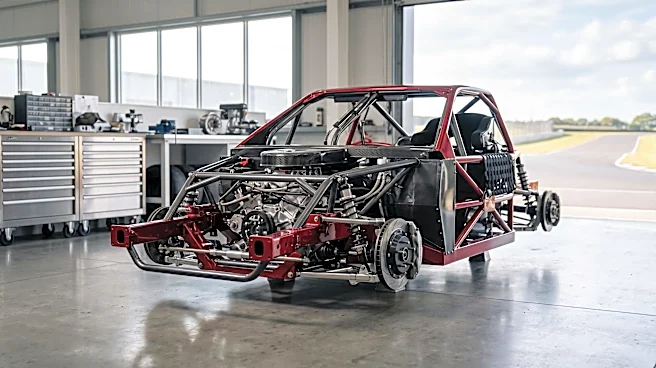
This flat configuration often leads to races where handling and tire management become critical factors. The relatively low banking means that drivers must work harder to maintain speed through the corners, and passing can be more difficult, often requiring strategic maneuvers. The track's characteristics contributed to the strategic nature of the 1999 Jiffy Lube 300, where fuel conservation and car setup were paramount for success over the race's 317.4-mile distance.
Early Race Dynamics and Caution Periods
The 1999 Jiffy Lube 300 began with Jeff Gordon on pole position, and he led the initial 19 laps, setting an early pace. However, the race quickly saw its share of challenges and early exits. Dale Earnhardt, Jr.'s second career Cup race ended prematurely due to ignition problems, relegating him to a 43rd-place finish. The event was punctuated by seven caution flags, which accounted for 49 laps of the race. These caution periods often reshuffled the field and provided opportunities for teams to make strategic pit stops, influencing the race's flow and setting up different fuel windows for competitors.
Despite the interruptions, the race eventually settled into a long green-flag run. The final 91 laps were completed under green-flag conditions, which transformed the event into a test of fuel mileage. This extended period without cautions forced teams and drivers to make critical decisions about fuel conservation, as running out of fuel in the closing laps could be devastating to their chances of victory.
A Dramatic Finish and Unexpected Winner
The closing stages of the 1999 Jiffy Lube 300 were filled with high drama, primarily centered around fuel strategy. Tony Stewart, who had led a significant portion of the race with 118 laps led, appeared to be on his way to securing his first-ever Winston Cup victory. However, with just three laps remaining, Stewart ran out of fuel on the backstretch, causing him to fall back to 10th place and delaying his maiden Cup win. This turn of events opened the door for other competitors who had managed their fuel more effectively.
Jeff Burton, who had started the race from the 38th position, capitalized on Stewart's misfortune. Burton led the final three laps to claim a remarkable victory, showcasing the importance of perseverance and strategic planning. Kenny Wallace achieved a career-best second-place finish, while Bill Elliott secured a fifth-place spot, which was his only top-five finish in what was described as a dismal 1999 campaign for him. The race also featured a late-race incident between Jeff Gordon and Dale Jarrett on the final lap, where Gordon used a "bump-and-run" maneuver to take fourth place, leading to a verbal confrontation between the two drivers after the race.