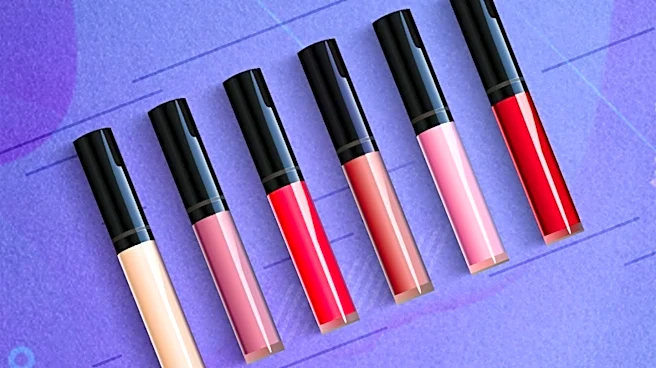








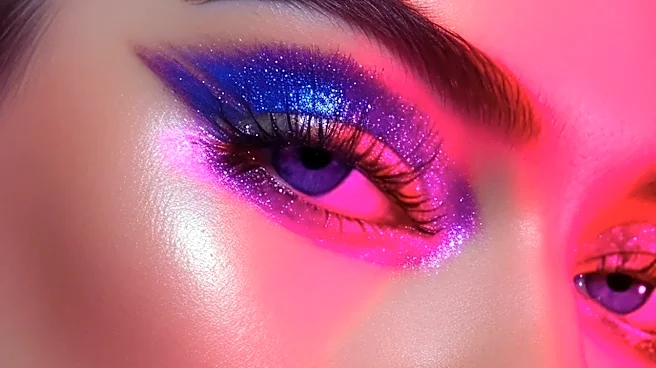

Lip gloss is a cosmetic product primarily designed to impart a glossy luster to the lips, often accompanied by a subtle hint of color. It comes in various forms, including fluids and soft solids, and offers a spectrum of opacities, from translucent to solid. Consumers can choose from a range of finishes such as frosted, glittery, glossy, and metallic, allowing for diverse aesthetic effects. This versatile product serves multiple purposes within the realm
of makeup, distinguishing itself from other lip care and coloring items.
Unlike lip balm, which typically focuses on medical or soothing benefits, or lipstick, a solid, cream-like substance known for delivering more intense, pigmented color, lip gloss contains fewer pigments. The pigments it does contain are often pale or significantly diluted, usually less than three percent of the total composition. This characteristic makes lip gloss a popular choice for those seeking a less "made-up" look than lipstick provides, or for individuals who are new to makeup.
Distinguishing Lip Gloss from Other Lip Products
The fundamental difference between lip gloss and its counterparts lies in its primary function and composition. While lip balm prioritizes therapeutic qualities like moisturizing or healing, and lipstick aims for bold, opaque color, lip gloss focuses on shine and a softer color application. This distinction is crucial for understanding its role in a cosmetic routine. The free-flowing nature of lip gloss also means it requires less wax in its formulation compared to solid lipsticks.
Lip gloss is frequently utilized when a person desires some color on their lips but wishes to avoid the intense, solid effect that lipstick typically creates. This makes it an ideal introductory product for makeup, particularly for preteen and young teenage girls who might be considered too young for more vibrant lipstick shades. Many beginner makeup kits include light, shimmery lip glosses, reinforcing its role as a gentle entry point into cosmetics.
Varieties and Application Methods
Lip gloss is available in numerous forms and can be applied using various tools. It might be packaged in a small cylinder with an applicator wand, often referred to as a doe-foot applicator, or with a built-in lip brush. Another common format is a small, soft, squeezable plastic tube, designed for direct application to the lips or for use with a fingertip or separate lip brush. Roll-on versions also exist, offering another convenient application method.
Beyond basic clear gloss that simply adds shine, colored lip gloss combines both color and luster. Glittery lip gloss incorporates a glitter base, which can be either clear or colored. Newer innovations include "plumping" lip glosses, which contain ingredients intended to make lips appear softer and fuller. These plumping glosses are often seen as a temporary and less invasive alternative to cosmetic procedures like collagen or filler injections, though their effects are not as long-lasting. Some plumping glosses may also include cooling ingredients, such as Menthone Glycerin Acetal, to create the illusion of fuller lips, and might produce a temporary burning sensation upon initial application.
Key Ingredients and Their Properties
Like lipstick, lip gloss is formulated from a blend of waxes, oils, and pigments. However, the proportion of these ingredients differs significantly. As mentioned, lip gloss contains a much lower concentration of pigments, typically less than three percent, and these are often pale or diluted. The reduced need for a solid structure means less wax is incorporated into the product. The two principal components highlighted are lanolin and polybutene.
Lanolin is valued for its moisturizing properties, which contribute to a pleasant feel on the lips, and it also helps impart the desired gloss. Polybutene is another key ingredient, contributing to the product's texture and shine. These components work together to create the characteristic glossy finish and subtle color that define lip gloss, making it a distinct and popular cosmetic choice for a wide range of users and occasions.