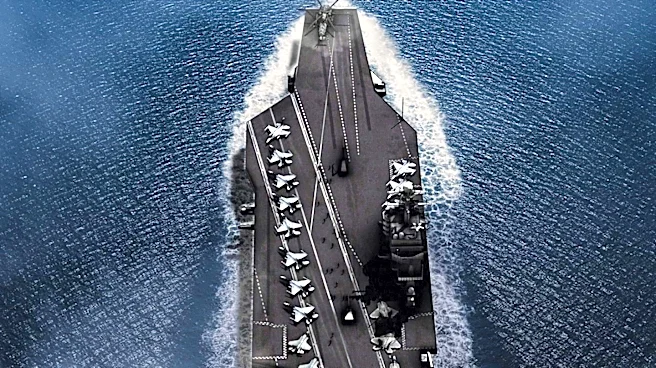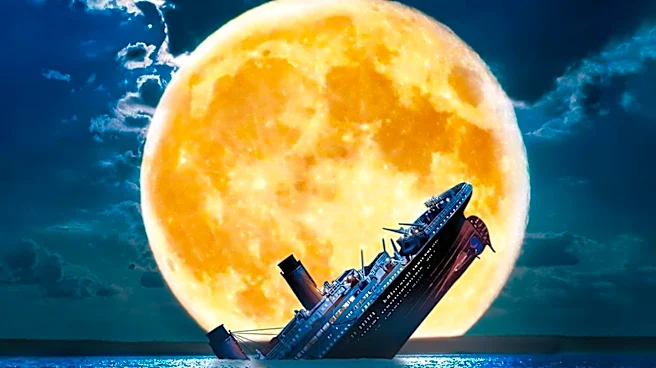






The USS Indianapolis, a Portland-class heavy cruiser, met a tragic fate during World War II. On July 30, 1945, the ship was torpedoed by the Japanese submarine I-58, leading to one of the most devastating losses in U.S. Navy history. This article explores the events surrounding the sinking and the harrowing experiences of the survivors.
The Final Mission
Before its sinking, the USS Indianapolis had completed a top-secret mission. The ship delivered components of the first
nuclear weapon used in combat, known as Little Boy, to the U.S. Army Air Force base on Tinian Island. This mission was crucial to the eventual bombing of Hiroshima, which played a significant role in ending World War II. After completing this mission, the Indianapolis set sail for Leyte, unaware of the impending danger.
On the night of July 30, 1945, the Japanese submarine I-58 launched a torpedo attack on the Indianapolis. The ship was struck on its starboard side by two torpedoes, causing catastrophic damage. Within minutes, the cruiser began to sink, taking approximately 300 of its 1,195 crew members down with it.
Struggle for Survival
The remaining 890 crew members found themselves stranded in the open ocean. With few lifeboats and almost no food or water, they faced dire conditions. Exposure to the elements, dehydration, and saltwater poisoning took a severe toll on the survivors. To make matters worse, the men were subjected to relentless shark attacks, which further reduced their numbers.
For four grueling days, the survivors clung to life, hoping for rescue. The Navy was unaware of the sinking until a routine patrol flight spotted the men in the water. A U.S. Navy PBY flying boat was dispatched to rescue the survivors, but by then, only 316 men remained alive.
The Aftermath
The sinking of the USS Indianapolis resulted in the worst loss of life at sea in U.S. Navy history. The tragedy highlighted the dangers faced by naval personnel during wartime and underscored the importance of communication and reconnaissance in preventing such disasters.
In the years following the sinking, the story of the USS Indianapolis and its crew became a poignant reminder of the sacrifices made during World War II. The survivors' harrowing ordeal and the ship's role in delivering the atomic bomb components have been subjects of numerous books and films, ensuring that the legacy of the USS Indianapolis endures.
The sinking of the USS Indianapolis remains a somber chapter in naval history, illustrating the perils of war and the resilience of those who serve.