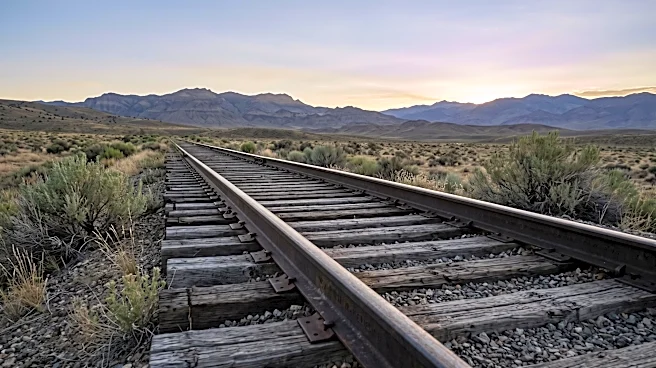




The construction of the First Transcontinental Railroad, a monumental engineering feat, was achieved through the arduous labor of thousands of workers. While the railroad brought immense progress and connectivity to the United States, its creation also involved significant human cost, marked by harsh working conditions, discriminatory practices, and intensified conflicts with indigenous populations. The diverse workforce, particularly the large contingent
of Chinese laborers, played a critical yet often overlooked role in shaping this historic project.
The Role of Chinese Laborers
Among the thousands of individuals who toiled to lay the tracks, approximately 12,000 Chinese laborers were central to the construction efforts, especially for the Central Pacific Railroad. These workers were often employed under significantly more challenging conditions and for lower wages compared to their American counterparts. Their contributions were vital, particularly in navigating the difficult terrain of the Sierra Nevada mountains, where they performed dangerous tasks such as blasting tunnels through solid rock.
The demanding nature of the work, coupled with inadequate safety measures and harsh living conditions, led to a tragic loss of life among these laborers. Estimates suggest that over 1,000 Chinese workers perished during the construction of the railroad. These deaths were a grim consequence of the intense pressure to complete the line, highlighting the human sacrifice made in the pursuit of national expansion and economic gain.
Conflicts with Indigenous Peoples
The expansion of the railroad across the North American continent inevitably led to increased conflicts with the indigenous populations whose lands it traversed. The railway cut through traditional hunting grounds and territories, disrupting established ways of life and accelerating the encroachment of American settlers. This westward push, facilitated by the railroad, intensified existing tensions and often resulted in violent confrontations.
The construction of the First Transcontinental Railroad was not merely an engineering project; it was also a powerful instrument of Manifest Destiny, profoundly altering the landscape and the lives of Native Americans. The railway's presence brought settlers, soldiers, and new industries, further marginalizing indigenous communities and leading to a period of significant displacement and cultural upheaval. The railroad, while a symbol of progress for some, represented a catalyst for conflict and loss for others, underscoring the complex and often painful history of American westward expansion.