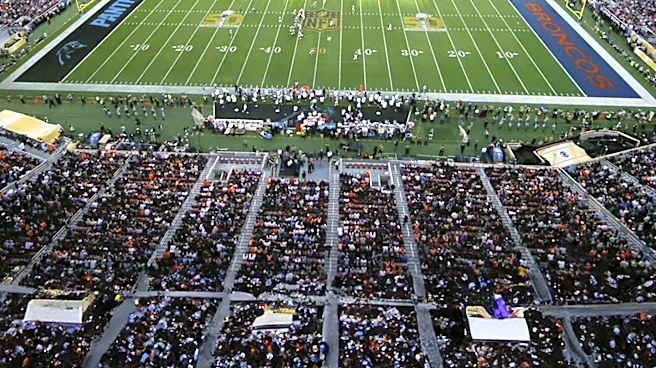


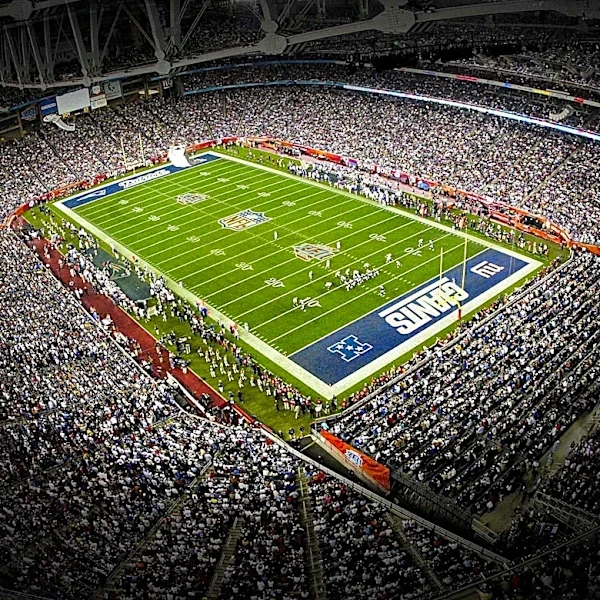


The Super Bowl, the championship game of the National Football League (NFL), has transcended its origins as a mere sporting event to become a significant cultural and commercial phenomenon in the United States. Its inception marked a new era for professional football, transforming the league into the most popular spectator sports league in the country. This evolution was largely a result of the historic merger between the NFL and the American Football League (AFL),
which not only unified professional football but also introduced innovations that cemented the Super Bowl's place in American society.
From Championship Game to National Spectacle
The Super Bowl era officially began in 1966, following the agreement to merge the NFL and the AFL. The first AFL-NFL Championship Game, later retroactively named Super Bowl I, was played in 1967. This game pitted the NFL champion against the AFL champion, a format that continued for four seasons until the full merger in 1970. The early Super Bowls, particularly the first two won by the NFL's Green Bay Packers, and the subsequent two won by the AFL's New York Jets and Kansas City Chiefs, showcased the competitive balance that would define the unified league.
Over time, the Super Bowl grew exponentially in popularity, becoming one of the most-watched televised events annually in the United States. This immense viewership transformed the game into a major source of advertising revenue for television networks. Advertisers began to debut elaborate and expensive commercials during the Super Bowl, turning commercial breaks into an anticipated part of the viewing experience. This commercialization further solidified the Super Bowl's status as a cultural event, extending its reach far beyond traditional football fans.
The NFL's Modern Growth and Cultural Impact
The success of the Super Bowl is intrinsically linked to the overall growth and stability of the NFL. After the merger, the NFL continued to expand, eventually reaching its current 32-team membership. The league adopted many innovations from the AFL, such as the on-field game clock, names on player jerseys, and revenue-sharing models, all of which contributed to a more professional and engaging product. These changes, combined with the league's strategic use of television, propelled the NFL to unprecedented levels of popularity.
The Super Bowl's cultural impact is evident in its ability to bring together diverse audiences, from avid football fans to those primarily interested in the halftime show or the commercials. It has become a de facto national holiday, with gatherings and celebrations across the country. This widespread engagement underscores how the Super Bowl has become more than just a game; it is a shared national experience, reflecting the NFL's successful transformation into a dominant force in American sports and culture.