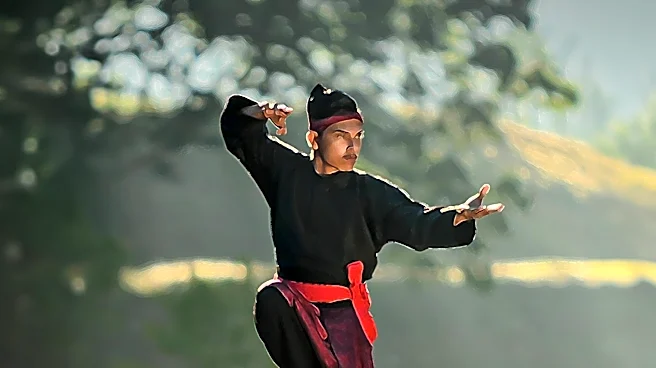








Martial arts are more than just combat techniques; they are a vital part of cultural heritage, preserving the traditions and values of societies across the globe. From the ancient practices of Asia to the folk wrestling styles of Europe, martial arts serve as a living link to the past, embodying the history and identity of diverse cultures. This article explores how martial arts contribute to cultural preservation and the ways in which they are celebrated
and maintained today.
The Cultural Significance of Martial Arts
Martial arts have long been intertwined with cultural identity, serving as a means of preserving and transmitting traditional values and practices. In many Asian countries, martial arts are deeply rooted in spiritual and philosophical teachings. For example, Japanese martial arts, known as "budo," emphasize the development of character and inner peace, reflecting the cultural importance of discipline and self-improvement.
In India, martial arts like Kalaripayattu are not only physical disciplines but also cultural expressions that incorporate elements of dance, music, and ritual. These practices are often passed down through generations, maintaining a connection to the region's historical and spiritual heritage. Similarly, in China, martial arts are celebrated as a national treasure, with styles like kung fu and tai chi representing the country's rich cultural legacy.
Martial Arts as a Tool for Cultural Preservation
The preservation of martial arts is crucial for maintaining cultural heritage, and various efforts are underway to ensure these traditions endure. In some regions, martial arts are taught in schools and community centers, providing a platform for cultural education and engagement. Governments and cultural organizations also play a role in promoting martial arts, recognizing their value as intangible cultural heritage.
For instance, UNESCO has inscribed Taekkyon, a traditional Korean martial art, onto its Intangible Cultural Heritage of Humanity List, highlighting its cultural significance and the need for preservation. Such recognition helps raise awareness and support for martial arts, encouraging their practice and transmission to future generations.
The Global Impact of Martial Arts
While martial arts are deeply rooted in specific cultural contexts, their global spread has led to a cross-cultural exchange that enriches and diversifies these practices. As martial arts gain popularity worldwide, they adapt to new environments, incorporating elements from different cultures while retaining their core traditions. This dynamic evolution ensures that martial arts remain relevant and accessible to people from all walks of life.
In conclusion, martial arts play a vital role in preserving cultural heritage, serving as a bridge between past and present. By maintaining and celebrating these traditions, societies can honor their history and identity, ensuring that the rich tapestry of martial arts continues to thrive across the globe.