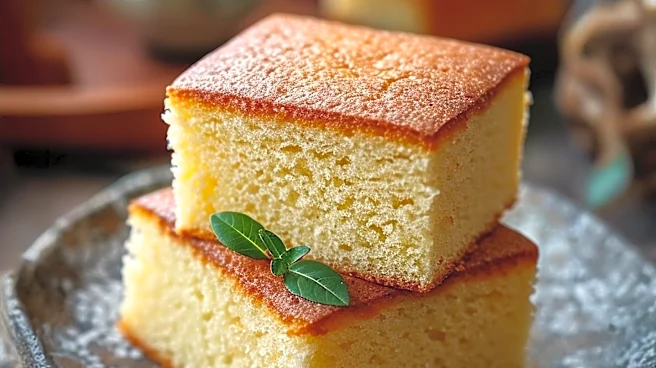





Sponge cake, a light and airy confection, holds a significant place in culinary history, particularly in the United Kingdom where it originated. Known by various names such as Gâteau éponge or Victoria Sponge Cake, this dessert has evolved over centuries, adapting to different tastes and culinary techniques. Its characteristic airy texture, which gives it the "sponge" moniker, is a testament to its unique preparation methods that have been refined
through generations. Often served as a dessert or alongside tea, the sponge cake remains a beloved treat with a rich and varied past.
Early Ancestors and Influences
The journey of the sponge cake can be traced back to various early forms of baked goods. One of the earliest documented recipes for a type of sponge cake was penned by the English poet Gervase Markham in 1615. His work, titled *The English Housewife, Containing the Inward and Outward Virtues Which Ought to Be in a Complete Woman*, included instructions for these cakes. However, these early versions were described as being more on the crisp side, akin to modern cookies, suggesting a different texture profile than the soft, airy cakes we recognize today.
Another potential ancestor of the sponge cake is the Biscuit de Savoie. This particular cake is characterized by its very light dough and was traditionally baked in a kouglof mold. Its origins are quite ancient, dating back to the 14th century. Specifically, in 1358, Count Amadeus VI of Savoy is said to have commissioned his pastry chef in Chambéry to create a cake that was as light as a feather. This historical anecdote highlights a long-standing culinary aspiration for light and delicate baked goods, a quality that would eventually define the sponge cake.
The Rise of the Victoria Sponge
Among the many variations of sponge cake, the Victoria Sponge Cake, also known as Victoria Sandwich, stands out as a particularly famous and enduring form. This variant is directly associated with Queen Victoria, hence its regal name. While the exact evolution from earlier sponge cake recipes to the Victoria Sponge isn't fully detailed, its prominence suggests a refinement of the basic sponge cake concept into a specific, well-loved format.
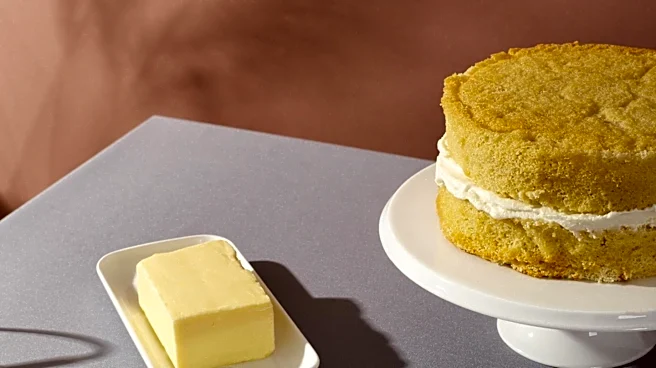
The Victoria Sponge is typically characterized by its layered structure, often filled with jam and cream, making it a staple of British tea time. Its popularity underscores the adaptability of the sponge cake, allowing for various fillings and presentations while maintaining its core airy texture. The development of such specific and popular variations demonstrates how a fundamental recipe can become a cultural icon, deeply embedded in national culinary traditions.
Modern Preparation and Ingredients
The classic ingredients for a sponge cake typically include eggs, powdered sugar, margarine or unsalted butter, wheat flour, and cocoa powder. The distinctive texture of the dough is achieved by mixing the butter and sugar at the beginning of the preparation process. This initial creaming step is crucial for incorporating air, which contributes to the cake's light and airy consistency.
Baking usually takes around 20 minutes, after which the biscuit, having been cooked twice (referring to the initial mixing and then baking), is allowed to cool. Depending on the desired dessert, flavorings or colorings can be added to the batter. For instance, these additions might be used to create a coffee cake or a rainbow cake, showcasing the versatility of the basic sponge cake recipe. This adaptability allows for a wide range of creative culinary applications, from simple desserts to more elaborate creations.