

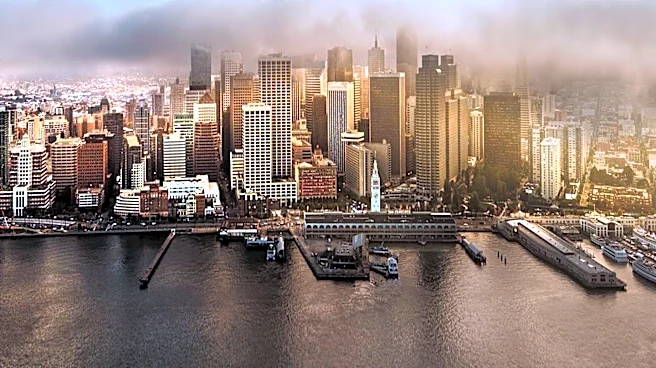
The Transbay Tube is a critical component of the Bay Area Rapid Transit (BART) system, connecting Oakland and San Francisco under the San Francisco Bay. Its construction was a monumental engineering feat that began in 1965 and concluded in 1969. This article delves into the construction process, highlighting the challenges and milestones that marked the journey of building this underwater tunnel.
Early Construction Efforts
Construction of the Transbay Tube commenced in 1965,
marking the beginning of a complex and ambitious project. The tube consists of 57 sections, each weighing approximately 10,000 tons. These sections vary in length from 273 to 336 feet, with an average length of 328 feet. The sections were designed to conform to the route, with 15 sections curved horizontally, four curved vertically, and two featuring both horizontal and vertical curves. The remaining 36 sections were straight.
The construction process involved lowering each section into a trench dredged onto the floor of San Francisco Bay. This required precise engineering and coordination to ensure the sections aligned perfectly. The steel shell of the tube, measuring 5/8 inch thick, was designed to support its own weight and resist hoop stresses, showcasing the meticulous planning involved in the project.
Challenges and Milestones
One of the significant challenges faced during construction was ensuring the tube's structural integrity while submerged under the bay. Each section of the tube cost approximately $1,500,000, reflecting the high stakes and investment in the project. The construction contract totaled $90,000,000, a substantial sum that underscores the complexity and scale of the endeavor.
Despite the challenges, the final section of the tube was successfully lowered on April 3, 1969, marking the completion of the structure. To commemorate this milestone, BART sold bronzed aluminum coins, celebrating the achievement and the collaborative effort that brought the project to fruition.
Final Preparations and Opening
After the structural completion, the tube underwent further preparations before opening for service. The tracks and electrification needed for train operations were finished in 1973. The first test run was conducted on August 10, 1973, with a train operating under automatic control, showcasing the advanced technology integrated into the system.
The tube officially opened for service on September 16, 1974, five years after the originally projected completion date. This delay was due to concerns from the California Public Utilities Commission regarding the automated dispatch system. The opening marked a new era in Bay Area transportation, providing a vital link between Oakland and San Francisco and transforming regional transit.