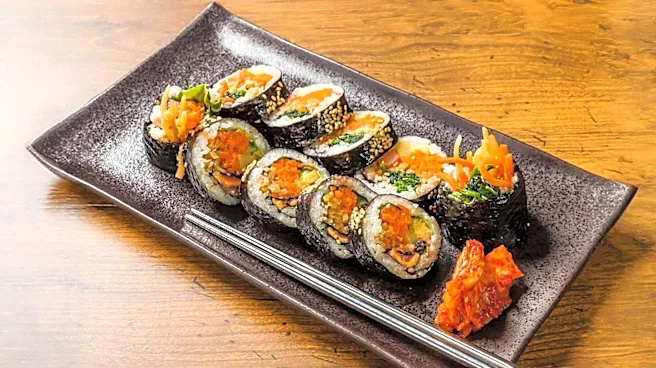









Kimbap, also romanized as gimbap, is a beloved Korean dish that has evolved from a traditional staple into an internationally recognized food item. This dish, made from cooked rice, vegetables, and often seafood or meat, is rolled in dried sheets of seaweed, known as gim, and then sliced into bite-sized pieces. While its exact origins are debated, with some theories pointing to Japanese influence during occupation and others asserting its modern Korean identity,
kimbap has firmly established itself as a distinct and versatile part of Korean cuisine. It is commonly enjoyed during picnics or as a light lunch, often accompanied by various side dishes.
The Etymology and Historical Context of Kimbap
The name "gimbap" itself offers insight into the dish's core components: "gim" refers to edible seaweed from the genus Porphyra and Pyropia, while "bap" broadly means cooked rice. The term "gimbap" appeared in a Korean newspaper article in 1935. However, during the Japanese occupation of Korea from 1910 to 1945, the Japanese loanword "norimaki," referring to a similar Japanese dish, was also used interchangeably. This period saw the introduction of various Western and Japanese food items into Korean cities, including sushi rolled in seaweed sheets, which gained popularity in Korea under the name kimbap.
Over time, efforts to remove remnants of Japanese colonialism and purify the Korean language led to "gimbap" becoming the universal term for the dish. This linguistic shift reflects a broader cultural movement to reclaim and define Korean culinary identity. The historical context highlights how kimbap, while potentially influenced by external factors, ultimately became a distinctly Korean food, adapted and named according to Korean cultural preferences.
Diverse Variants and Modern Adaptations
Kimbap is not a monolithic dish; it boasts several regional and modern variants that cater to different tastes and occasions. One notable variant is Chungmu-gimbap, originating from the seaside city of Chungmu, now known as Tongyeong. This version features thinner rolls with an unseasoned surface, containing only rice as the filler ingredient. It is traditionally served with spicy ojingeo-muchim, a squid salad, and seokbakji, a radish kimchi, offering a distinct flavor profile compared to other kimbap types.
Another popular variant is Samgak-gimbap, literally meaning "triangle-shaped gimbap." This variety is similar to Japanese onigiri and is widely available in South Korean convenience stores. Samgak-gimbap fillings vary greatly, providing a wide range of options for consumers. These triangular kimbap typically have a short expiration date of one day and provide between 600 and 850 kilojoules (140 and 200 kcal) of food energy, making them a convenient and quick meal or snack option.
Kimbap's Rise to International Prominence
The global appeal of kimbap has seen a significant surge in recent years, particularly with the introduction of frozen kimbap. South Korean media reports in 2023 highlighted that frozen kimbap, produced using advanced rapid-freezing and moisture-control technology to extend its shelf life up to 12 months, sold out rapidly at Trader Joe's stores in the United States. An initial shipment of 250 tons reportedly sold out within weeks of its introduction, demonstrating a strong demand in the U.S. market.
To comply with U.S. import regulations that restrict certain meat products, exported frozen kimbap has sometimes replaced traditional meat fillings with plant-based ingredients like fried tofu and burdock root. This adaptation showcases the dish's versatility and its ability to cater to diverse dietary needs and regulations while maintaining its core appeal. Korean outlets have attributed part of this increased visibility and sales to social media videos, where people shared their experiences trying the dish, further boosting its popularity. According to South Korea's customs data, exports of frozen kimbap and similar rice-based convenience foods have continued to increase, with reports in 2026 indicating new highs in export figures and expanded availability in markets including Japan, China, and several European countries.