







Anaheim, a city known today for its diverse attractions, experienced a turbulent political period in the 1920s when the Ku Klux Klan (KKK) briefly held significant power. In 1924, Klan members were elected to the Anaheim City Council, campaigning on a platform of political reform. This event marked a stark departure from the city's long-standing governance by a mostly German American business and civic elite. The Klan's rise and subsequent fall offer
a compelling look into the social and political dynamics of the era in Orange County.
The Rise of the Klan in Anaheim Politics
Prior to 1924, Anaheim's political scene was largely controlled by a German American elite, many of whom did not strongly support the prohibition laws of the day, given their tradition of moderate social drinking. The city's mayor at the time was even a former saloon keeper. This established order was challenged by a rising group of politically oriented non-ethnic Germans, led by the minister of the First Christian Church, who denounced the existing elite as corrupt, undemocratic, and self-serving.
The Ku Klux Klan, with approximately 1,200 members in Orange County at the time, capitalized on this sentiment. They aimed to create what they envisioned as a model, orderly community, with strict enforcement of alcohol prohibition being a key objective. Interestingly, the economic and occupational profiles of both pro- and anti-Klan groups were similar, suggesting that the divide was not primarily economic. While Klan members were predominantly Protestants, as were many of their opponents, the opposition also included numerous Catholic Germans. Individuals who joined the Klan often had a history of higher voting rates and civic activism, indicating that many were motivated by a sense of civic duty.
Klan Policies and Public Backlash
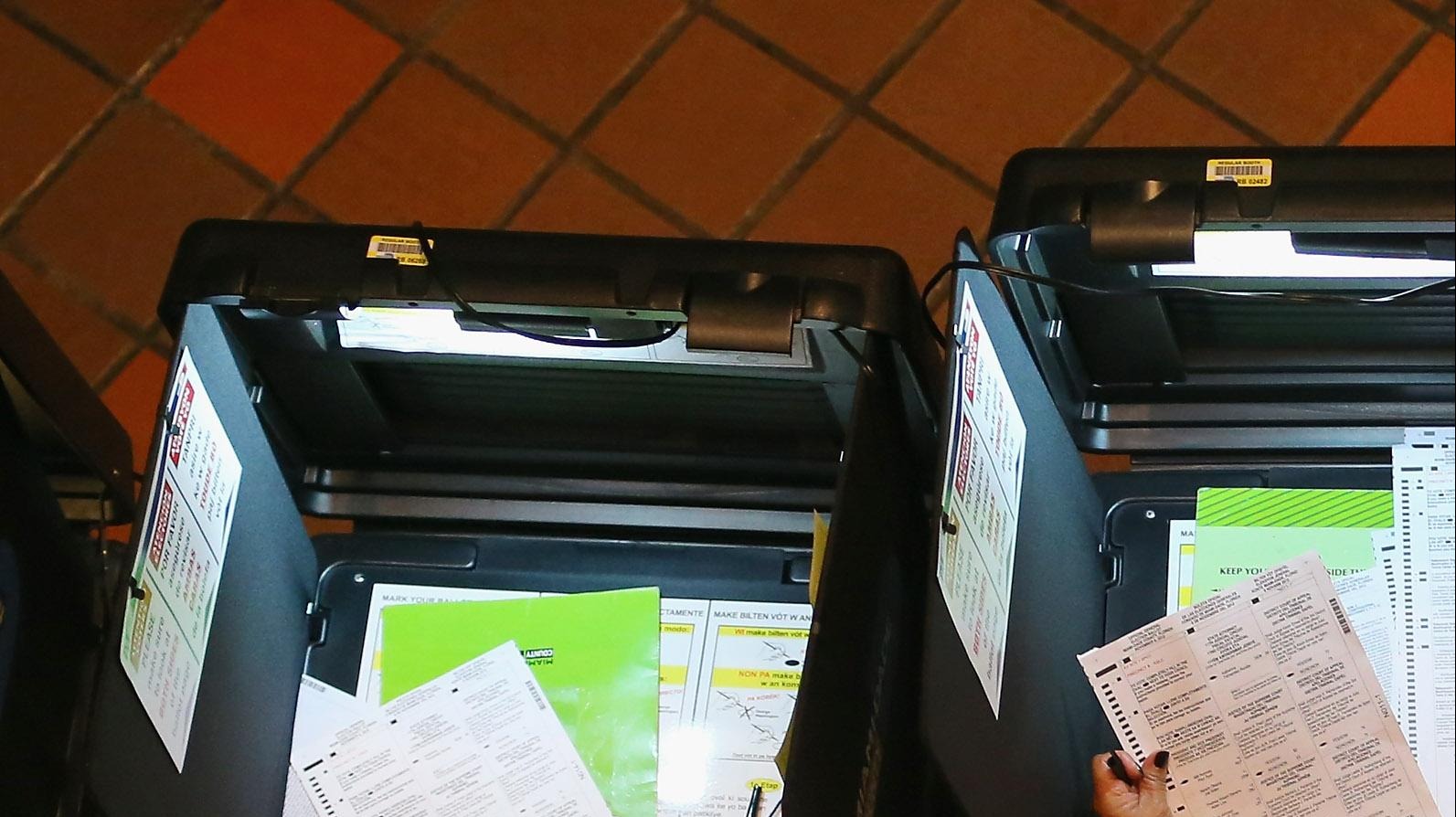
Following their easy victory in the April 1924 local Anaheim election, the Klan representatives on the City Council swiftly implemented their agenda. One of their immediate actions was to fire city employees known to be Catholic, replacing them with Klan appointees. The new council also attempted to rigorously enforce prohibition laws. After their electoral success, the local Klan chapter held large rallies and initiation ceremonies throughout the summer, showcasing their newfound influence.
However, the Klan's hold on Anaheim politics was met with organized opposition. Opponents of the KKK managed to bribe a Klansman to obtain their secret membership list. This list was then used to expose Klansmen running in the state primaries, leading to the defeat of most of these candidates. The public backlash and organized resistance proved effective. In 1925, Klan opponents successfully took back local government through a special election, recalling the Klansmen who had been elected the previous year.
The Collapse of the Anaheim Klan
The defeat in the special election marked the rapid collapse of the Ku Klux Klan's influence in Anaheim. Their newspaper, a tool for disseminating their ideology, closed down after losing a libel suit. The minister who had led the local Klavern, a local chapter of the KKK, subsequently moved to Kansas. This swift decline demonstrated the community's ability to resist and ultimately reject the Klan's divisive politics and policies.
The episode in Anaheim serves as a historical example of how a politically active group, even one with a significant following, can be challenged and overcome by organized opposition. It highlights a period when the city grappled with issues of religious discrimination, prohibition enforcement, and the fundamental nature of its civic leadership, ultimately reaffirming a more inclusive and democratic governance structure.