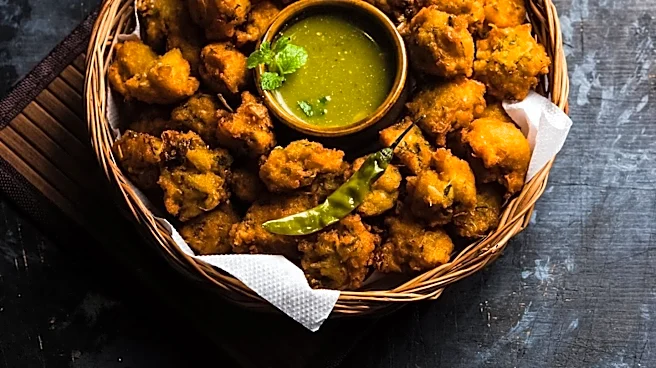




Pakora, a popular fritter originating from the Indian subcontinent, holds a significant place in the culinary traditions of South Asia. This versatile snack, often consisting of vegetables coated in a seasoned gram flour batter and deep-fried, is a staple found everywhere from bustling street vendor stalls to elegant restaurant menus. Its widespread appeal is evident in the numerous regional variations and names it has acquired, reflecting the rich
diversity of the cultures that embrace it. More than just a simple fried food, pakora represents a cherished tradition, often served during social gatherings and as a comforting accompaniment to daily rituals.
Ancient Roots and Culinary Evolution
The history of pakora stretches back centuries, with early variations appearing in ancient Sanskrit and Tamil Sangam literature. While these early texts don't provide explicit recipes, they describe 'a round cake made of pulse fried in oil' and 'crispy fried vegetables' that were part of meals. This suggests that the concept of deep-fried, batter-coated ingredients has a long-standing presence in the region's cuisine.
More concrete culinary instructions emerge from medieval cookbooks. The Manasollasa, dating back to 1130 CE, details a dish called "Parika," which is recognized as an early form of pakoda, complete with methods for preparing it using vegetables and gram flour. Another cookbook, Lokopakara from 1025 CE, even describes a unique pakora recipe where gram flour was pressed into fish-shaped molds before being fried in mustard oil, showcasing the early ingenuity and variety in its preparation.
The Art of Preparation: Ingredients and Techniques
The fundamental process of making pakoras involves coating various ingredients in a spiced batter and then deep-frying them until golden and crispy. The choice of ingredients for the filling is incredibly diverse, ranging from common vegetables like potatoes, onions, cauliflower, and spinach to more unique options such as eggplant, paneer (Indian cheese), chicken, arbi root and leaves, mint, plantain, or even baby corn. This adaptability allows for endless variations, catering to different tastes and regional produce.
The batter is typically made from gram flour, also known as besan, which is chickpea flour. Sometimes, a mixture of gram flour and rice flour is used to achieve a different texture. While gram flour is the most common base, other flours like buckwheat flour can also be employed. The spices incorporated into the batter are crucial for flavor and are often chosen based on local traditions and availability. These can include a vibrant array of fresh and dried spices such as chili, fenugreek, ginger, cardamom, turmeric, and coriander, each contributing to the distinctive taste profile of the pakora.
Cultural Significance and Serving Traditions
Pakoras are enjoyed in various contexts across South Asia, serving as a versatile snack or appetizer. They are frequently accompanied by chutneys or raita, which are cooling yogurt-based dips, adding another layer of flavor and texture to the fried fritters. The combination of hot, crispy pakoras with a tangy or spicy chutney is a beloved culinary experience.
Beyond everyday snacking, pakoras play a role in significant social events. They are traditionally offered alongside masala chai to guests at Indian wedding ceremonies, symbolizing hospitality and celebration. This practice highlights their importance not just as food, but as an integral part of cultural rituals and social gatherings, fostering a sense of community and warmth. Whether enjoyed casually with tea or as part of a festive spread, pakoras remain a cherished and iconic dish throughout the Indian subcontinent and beyond.