





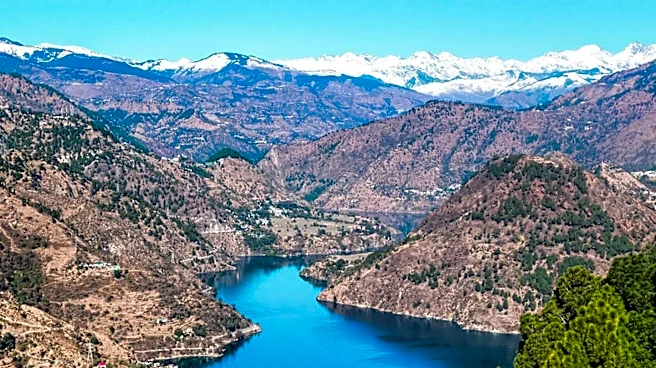

Rocky Mountain National Park, located in north Colorado, is a treasure trove of natural beauty and diverse wildlife. Established in 1915, the park spans 265,461 acres and offers visitors a chance to experience the majestic Rocky Mountains and serene alpine lakes. The park is situated between Estes Park to the east and Grand Lake to the west, with the Continental Divide running through its center. This article delves into the park's rich natural offerings,
from its varied ecosystems to the wildlife that calls it home.
Diverse Ecosystems
Rocky Mountain National Park is home to a variety of ecosystems, each offering unique landscapes and habitats. The park's elevation ranges from 7,860 feet to 14,259 feet at the summit of Longs Peak, creating diverse climates and environments. Visitors can explore lush montane forests, subalpine regions, and alpine tundra, each supporting different plant and animal life.
The montane forests are characterized by ponderosa pines and Douglas firs, providing a habitat for animals like mule deer and black bears. As visitors ascend to the subalpine region, they encounter dense forests of Engelmann spruce and subalpine fir, where elk and moose roam. The alpine tundra, above the tree line, is a stark yet beautiful landscape, home to hardy plants and animals adapted to the harsh conditions.
Wildlife Encounters
The park's diverse ecosystems support a wide array of wildlife, making it a haven for animal enthusiasts. Rocky Mountain National Park is home to over 60 species of mammals, including elk, bighorn sheep, and mountain lions. Birdwatchers can spot more than 280 species of birds, such as the majestic golden eagle and the colorful western tanager.
The park's waterways, including the headwaters of the Colorado River, are teeming with aquatic life. Anglers can try their luck catching trout in the park's streams and lakes. The park's varied habitats also support smaller creatures like marmots and pika, which can be seen scurrying among the rocks in the alpine tundra.
Scenic Landscapes
Beyond its wildlife, Rocky Mountain National Park is renowned for its breathtaking landscapes. The park's alpine lakes, such as Bear Lake and Dream Lake, offer stunning views and tranquil settings for reflection and photography. The park's trails, including the famous Trail Ridge Road, provide access to panoramic vistas of the surrounding mountains and valleys.
Visitors can experience the park's beauty year-round, with each season offering its own unique charm. In the summer, wildflowers blanket the meadows, while fall brings vibrant colors to the forests. Winter transforms the park into a snowy wonderland, perfect for snowshoeing and cross-country skiing.
Rocky Mountain National Park is a testament to the beauty and diversity of nature, offering visitors a chance to connect with the natural world in a profound way. Whether exploring its ecosystems, encountering its wildlife, or simply taking in its scenic views, the park is a place of wonder and inspiration.