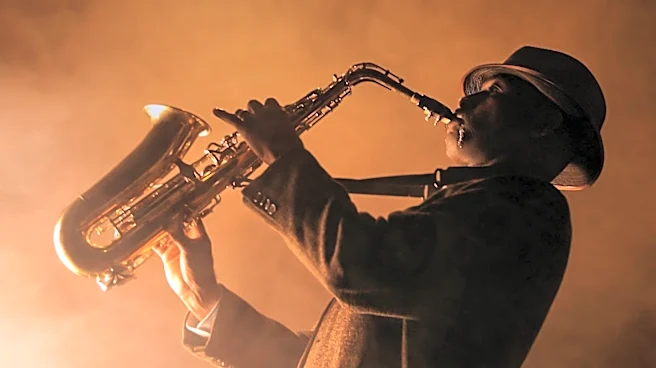

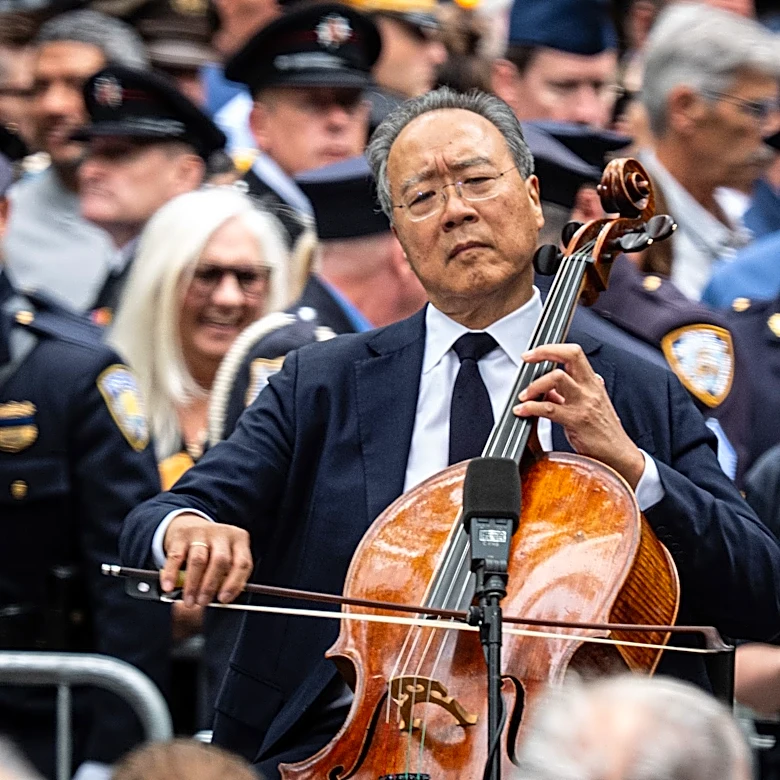


"The Real Ambassadors" is a jazz musical developed in the late 1950s and early 1960s by Dave and Iola Brubeck, in collaboration with jazz legend Louis Armstrong and his band. This significant work addressed a range of pressing themes relevant to its era, including the Civil Rights Movement, the complexities of the music business, America's role in global affairs during the Cold War, and even the nature of God. Set in a fictional African nation named
Talgalla, the musical's central character was inspired by Armstrong's own experiences as a jazz ambassador. It marked the first major large-scale musical collaboration between Dave and Iola Brubeck, establishing a template for their future joint projects. The soundtrack album, featuring songs from the musical, was released by Columbia Records in 1962, preceding the show's premiere at the Monterey Jazz Festival with an all-star cast.
Drawing from Real-World Diplomatic Tours
The Brubecks' inspiration for "The Real Ambassadors" stemmed directly from their own experiences, as well as those of their friends and colleagues, who toured various parts of the world on behalf of the U.S. State Department. During the Cold War, the State Department initiated a campaign to disseminate American culture and music globally, particularly in countries whose allegiances were uncertain or those perceived to be at risk of aligning with the Soviet Union. Musicians like the Brubecks, Louis Armstrong, Dizzy Gillespie, Benny Goodman, and Duke Ellington were integral to this effort. "The Real Ambassadors" fittingly highlighted the crucial role these musicians played as unofficial ambassadors for their country, using their art to bridge cultural divides.
The musical directly or indirectly referenced several notable events from this period. These included the 1956 student riots in Greece, which reportedly subsided following performances by Dizzy Gillespie, and Louis Armstrong's significant 1956 visit to Ghana as a guest of Prime Minister Kwame Nkrumah. Another key reference was Armstrong's public dispute with the Eisenhower Administration and President Eisenhower himself over the handling of the 1957 Central High School Crisis in Little Rock, Arkansas, underscoring the musical's engagement with contemporary civil rights issues.
Social Commentary and Satirical Portrayal
"The Real Ambassadors" effectively captured the often intricate and sometimes contradictory politics of the State Department's tours during the Cold War era. It satirically portrayed the international politics of these tours, addressing African and Asian nation-building alongside the U.S. civil rights struggle. The musical also confronted the prevailing racial issues of the day, but did so through the lens of witty satire, making its messages more accessible and impactful.
An excerpt from Armstrong's opening lines in the piece "They Say I Look Like God" exemplifies this approach: "They say I look like God. Could God be black? My God! If all are made in the image of thee, Could thou perchance a zebra be? He's watchin' all the Earth. He's watched us from our birth. And if He cared if you black or white, He'd a mixed one color, one just right. Black or white... One just right..." While Iola Brubeck intended some of her lyrics to be light and humorous, believing that satire would facilitate the reception of certain messages, Armstrong viewed his performance as a profound opportunity to address the racial issues he had faced throughout his career. He requested to sing the song "straight," without comedic embellishment.
Armstrong's Emotional Performance and Lasting Impact
Dave Brubeck recalled Armstrong's seriousness during the performance, noting, "Now, we wanted the audience to chuckle about the ridiculous segregation, but Louis was cryin'... and every time we wanted Louis to loosen up, he'd sing 'I'm really free. Thank God Almighty, I'm really free'." This collaboration offered Armstrong material that resonated deeply with his own sensibilities and outlook, a departure from the demeaning roles he sometimes encountered in public performances. The studio recording of "They Say I Look Like God" was completed in a single take, with everyone in the studio reportedly "crying their eyes out" by the end. Armstrong's earnest delivery of Iola's lyrics, combined with Brubeck's subtle piano accompaniment and the background vocals by Lambert, Hendricks, and Ross, created a powerful and emotional musical experience for all involved.
At the live performance of "The Real Ambassadors" at the 1962 Monterey Jazz Festival, Lambert, Hendricks, and Bavan added a dramatic element by putting sackcloths and hoods over their heads before singing "They Say I Look Like God," lifting them just before their vocal parts. Despite the presence of television cameras, this powerful performance was not captured on film, a fact Brubeck later regretted, calling it a "terrible goof" that he hadn't paid the festival's $750 fee to record it. Forty years later, in 2002, "The Real Ambassadors" returned to the Monterey Jazz Festival, featuring the Dave Brubeck Quartet, Lizz Wright, Roy Hargrove, and Christian McBride, with archival footage available through Stanford University. The musical has seen subsequent revivals, including at the 2013 Detroit Jazz Festival and its New York City debut in 2014 at Jazz at Lincoln Center, featuring original vocalist Yolande Bavan as narrator, demonstrating its enduring relevance and impact.