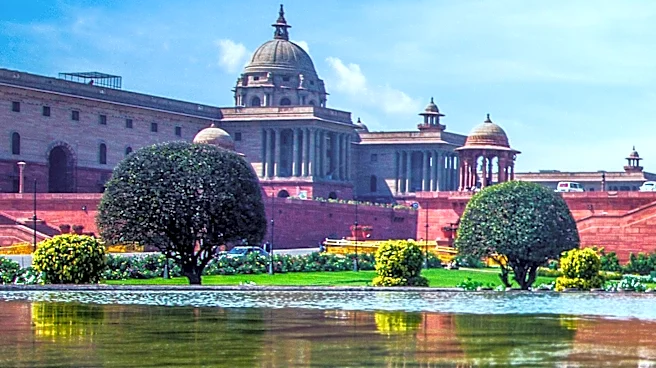





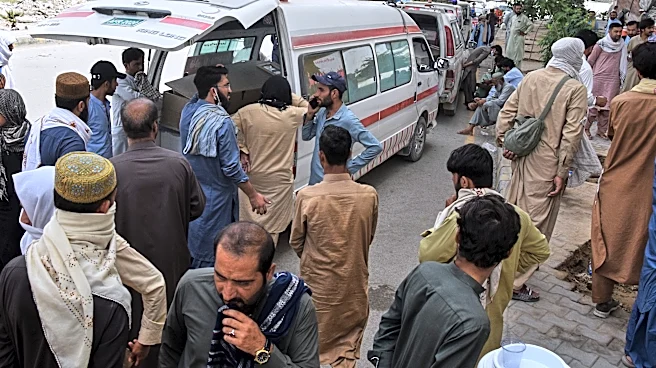



New Delhi, the capital city of India, is a bustling metropolis with a diverse and dynamic population. As part of the National Capital Territory of Delhi, New Delhi plays a crucial role in the country's social and economic landscape. With a population of about 9.4 million people, the city is a melting pot of cultures, languages, and traditions, reflecting the broader diversity of India.
Population Dynamics
The population of New Delhi is characterized by its rapid growth
and urbanization. As a major urban center, the city attracts people from all over India and beyond, seeking opportunities in various sectors such as government, business, and education. This influx of people has contributed to the city's vibrant and cosmopolitan atmosphere.
New Delhi's population is not only large but also diverse. It includes individuals from different regions, ethnicities, and religious backgrounds, making it a microcosm of India's pluralistic society. This diversity is evident in the city's neighborhoods, where one can find a mix of languages, cuisines, and cultural practices.
Social Structure
The social structure of New Delhi is complex, with a wide range of socioeconomic groups coexisting within the city. While the city is home to affluent neighborhoods and modern infrastructure, it also faces challenges related to urban poverty and inequality. These disparities are reflected in the varying living conditions and access to resources among different segments of the population.
Education and employment are key factors influencing the social dynamics of New Delhi. The city boasts numerous educational institutions and job opportunities, attracting students and professionals from across the country. This has led to a highly educated and skilled workforce, contributing to the city's economic growth and development.
Cultural Diversity
Cultural diversity is one of New Delhi's defining characteristics. The city hosts a wide array of cultural events, festivals, and exhibitions that celebrate its rich heritage and contemporary creativity. From traditional Indian festivals to international art shows, New Delhi offers a cultural experience that is both unique and inclusive.
The city's cultural landscape is further enriched by its historic sites and museums, which provide insights into India's past and present. These cultural institutions not only serve as tourist attractions but also play a vital role in preserving and promoting the country's cultural legacy.
In summary, the demographics of New Delhi are a testament to its role as a major urban center in India. The city's diverse population and social structure reflect the broader complexities of Indian society, making it a fascinating place to explore and understand.