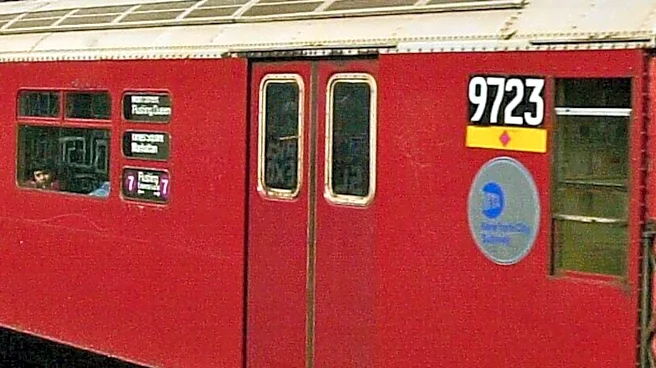

The Staten Island Railway (SIR) has played a crucial role in the development of Staten Island's transportation network. From its early days in the mid-19th century to its integration into the New York
City transit system, the railway has undergone significant changes. This article delves into the history of the Staten Island Railway, highlighting key milestones and transformations.
Early Development
The Staten Island Railway was incorporated on August 2, 1851, following a failed attempt to establish a rail line in 1836. The initial proposal aimed to connect Tottenville to Stapleton, providing a much-needed transportation link for residents. The project gained momentum with financial backing from Cornelius Vanderbilt, who was already operating a ferry service between Staten Island and Manhattan.
Construction of the railway began in 1855, and by June 2, 1860, the line was completed to Tottenville. This development marked a significant achievement, as it connected Staten Island to the mainland via ferry services. Under the leadership of Jacob H. Vanderbilt, the railway expanded its operations, taking over several independent ferries and establishing a more integrated transportation system.
Challenges and Changes
The Staten Island Railway faced numerous challenges in its early years. In 1871, the explosion of the ferry Westfield at Whitehall Street Terminal led to financial difficulties, resulting in the railway and ferry going into receivership. The company was sold to George Law in 1872 and later transferred to the Staten Island Railway Company in 1873.
Despite these setbacks, the railway continued to evolve. In 1884, the Baltimore and Ohio Railroad acquired the ferry and railway, integrating them into a larger transportation network. This acquisition marked a turning point, as it provided the resources needed to improve and expand the railway's infrastructure.
20th Century Developments
The 20th century brought significant changes to the Staten Island Railway. In 1905, New York City took ownership of the ferry and terminals, evicting the Baltimore and Ohio Railroad from the Whitehall Street terminal. The city invested in building the St. George Terminal, enhancing the railway's connectivity and service.
Electrification of the railway lines began in 1925, modernizing the system and improving efficiency. Despite these advancements, the railway faced competition from city-operated buses, leading to a decline in ridership. By the mid-20th century, the Staten Island Railway had become an integral part of the city's transit system, reflecting the broader trends in urban transportation.
The history of the Staten Island Railway is a testament to the challenges and triumphs of developing a comprehensive transportation network. Its evolution from a small rail line to a key component of New York City's transit system highlights the importance of adaptability and innovation in meeting the needs of a growing urban population.