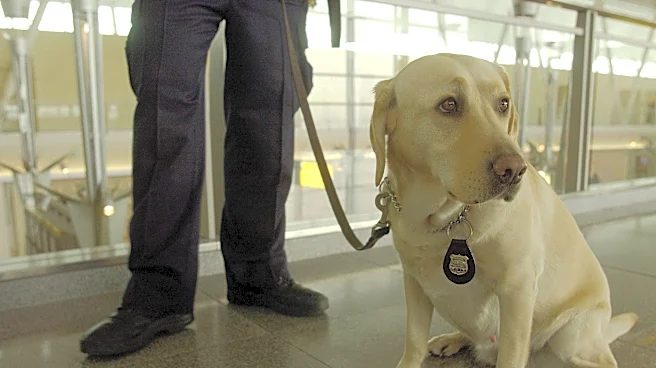




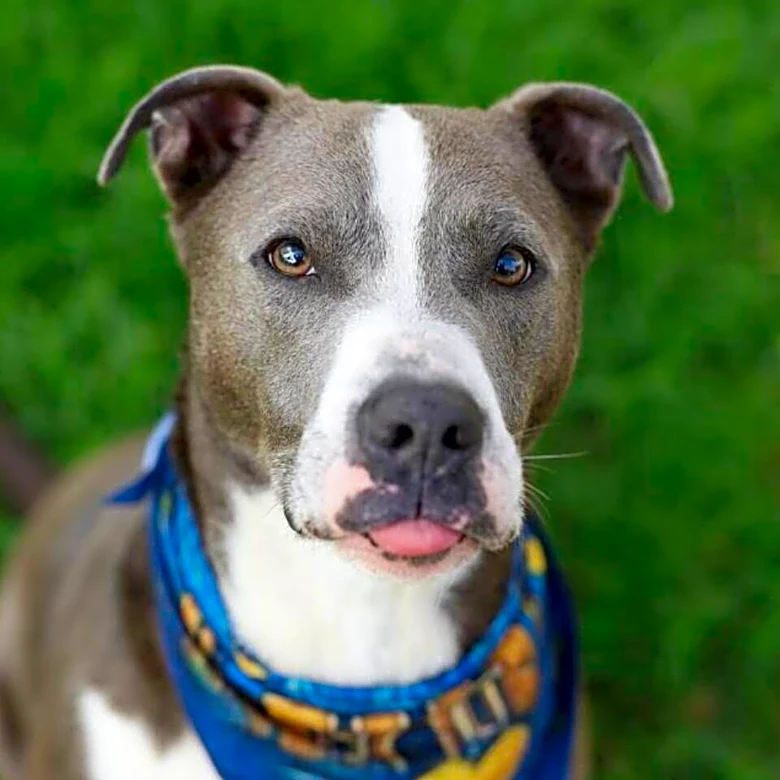



Dog intelligence, or canine cognition, refers to the intricate process by which dogs acquire information and conceptual skills, store them in memory, retrieve and combine them, and then apply them in new situations. This intellectual capacity has been profoundly shaped by thousands of years of close contact with humans. As a result of this long-standing physical and social evolution, many dogs exhibit a remarkable ability to respond to social cues
common to humans, quickly grasp the meaning of words, display cognitive biases, and express emotions that appear to mirror those of their human companions.
Research into canine cognition has revealed that dogs possess a surprising array of social-cognitive abilities. These skills are not typically found in their closest canine relatives or even in other highly intelligent mammals like great apes. Instead, these abilities bear a striking resemblance to some of the social-cognitive skills observed in human children. This phenomenon is often considered an example of convergent evolution, where unrelated species independently develop similar solutions to common problems. In the case of dogs and humans, this suggests a psychological convergence, meaning dogs have evolved to be cognitively more similar to humans than humans are to their own closest genetic relatives.
The Human Connection: A Shaping Force
Millennia of interaction with humans have undeniably molded the cognitive capacities of dogs. This deep connection has led to dogs developing unique ways of understanding and interacting with the human world. For instance, dogs are adept at reading and reacting appropriately to human body language, including gestures and pointing, and they can comprehend human voice commands. This ability to interpret human signals is a cornerstone of their social intelligence.
However, some research indicates that domestic dogs might have lost certain original cognitive abilities once they became integrated into human society. For example, one study provided compelling evidence that dingoes, a type of wild dog, can outperform domestic dogs in non-social problem-solving tasks. Another study showed that after being trained on a simple manipulation task, dogs faced with an unsolvable version of the same problem tend to look to a nearby human for help, a behavior not observed in socialized wolves. This suggests that modern domestic dogs have learned to rely on humans to solve some of their problems for them.
Memory, Learning, and Language in Dogs
Dogs exhibit advanced memory skills, including what appears to be episodic-like memory, allowing them to recall past events involving complex human actions. Studies have also shown a correlation between a dog's size and its memory and self-control functions, with larger dogs often performing better in these areas. However, brain size does not seem to predict a dog's ability to follow human pointing gestures or its inferential and physical reasoning abilities.
Beyond memory, dogs demonstrate a remarkable capacity for learning and using words. Various studies have shown that dogs can readily learn the names of objects and retrieve specific items when given their names. For instance, a Border Collie named Betsy was documented to know over 345 words and could even connect an object with its photographic image without prior exposure. Another Border Collie, Rico, showed an ability similar to "fast mapping" in humans, where he could infer the meaning of a new word after only a single exposure by exclusion. Rico, who knew over 200 item labels, could correctly retrieve novel items immediately and even four weeks later. He could also interpret phrases like "fetch the sock" by understanding its component words, a performance comparable to that of a three-year-old human. Chaser, another Border Collie, learned over 1,000 words and could link nouns to verbs, with researchers attributing her intellectual prowess to both selective breeding for herding tasks and rigorous training.
Awareness and Emotional Intelligence
Dogs also display various forms of awareness. They demonstrate object permanence, understanding that objects continue to exist even when out of sight, reaching an advanced stage of this development by eight weeks of age. They can recognize other dogs regardless of breed, size, or shape, and distinguish them from other animals. Magnetic resonance imaging studies have shown that voice-response areas exist in dog brains, exhibiting a response pattern similar to humans in anterior temporal voice areas. Dogs can pass the "sniff test," suggesting potential self-awareness in an olfactory sense, and are aware of their body size and movement.
Regarding emotions, studies suggest dogs experience complex feelings like jealousy and anticipation. However, interpreting behavioral evidence of seemingly human emotions requires caution. For example, a dog acting "guilty" might simply be anticipating reprimand rather than genuinely feeling guilt. Cognitive bias tests, which measure cognitive bias to infer an animal's mood, have been used to study dog emotions. Dogs with separation anxiety, for instance, show a more negative cognitive bias, which becomes less negative after treatment. Administering oxytocin can also induce a more positive cognitive bias. Dogs can discriminate emotional expressions in human faces, particularly happiness and negative emotions like fear, anger, and sadness. Interestingly, dogs are the only non-primate species known to fixate on the right side of a human face, similar to humans, which may be linked to right brain hemisphere use for facial recognition.