





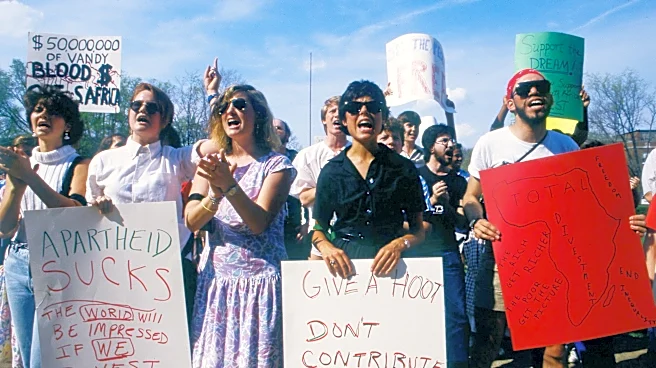
Rhetoric, often understood as the art of persuasion, has historically been recognized as a fundamental civic art, deeply intertwined with public and political life. From its origins in Ancient Greece, rhetoric was not merely a tool for individual gain but a means to shape communities, influence public opinion, and form the character of citizens. This perspective highlights rhetoric's power to affect civic life, particularly in societies that value
free speech and democratic institutions. The belief that rhetoric flourishes in open, democratic societies with rights of free speech, free assembly, and political enfranchisement underscores its connection to active citizenship.
Ancient Philosophers on Civic Rhetoric
Several ancient philosophers viewed rhetoric primarily as a civic art. Isocrates, for example, argued in *Antidosis* that "there is no institution devised by man which the power of speech has not helped us to establish." He believed rhetoric was fundamental to civic life in every society and essential for the foundation of all societal aspects. Furthermore, in *Against the Sophists*, Isocrates contended that while rhetoric might not be teachable to everyone, the study of political discourse could significantly stimulate and form qualities of character.
Aristotle, writing after Isocrates, supported many of these arguments, emphasizing rhetoric's civic dimension. He defined rhetoric as "the faculty of observing in any given case the available means of persuasion," an art he believed could be applied in public settings through political, forensic, and ceremonial oratory. Each of these divisions plays a distinct role in civic life, influencing the *polis* (city-state). Eugene Garver, in his analysis of Aristotle's *Rhetoric*, confirms this view, noting that Aristotle articulated a civic art of rhetoric that combined technical skill with appropriateness for citizens.
Debates on Rhetoric's Moral Status
Despite its potential for civic improvement, rhetoric's capacity to shape public opinion also led to criticism from some ancient thinkers, notably Plato. Plato expressed concerns that rhetoric, while capable of enhancing civic life, could just as easily be used to deceive or manipulate. He worried that the masses, being unable to analyze or decide independently, could be swayed by the most persuasive speeches, allowing civic life to be controlled by the most eloquent orator. Plato explored these moral dilemmas in his dialogues *Gorgias* and *Phaedrus*.
In contrast, the Roman orator Cicero, more trusting in rhetoric's power to support a republic, argued that the art required more than mere eloquence. He believed a good orator also needed to be a good person, well-versed in a variety of civic topics. In *De Oratore*, Cicero emphasized that effective rhetoric arises from a combination of wisdom (*sapientia*) and eloquence (*eloquentia*). For Cicero, the ideal orator demonstrated not only stylistic skill but also moral integrity and broad learning, thereby uniting theory and practice for the betterment of the state.
Modern Relevance of Rhetoric as a Civic Art
Modern scholarship continues to affirm the claims of the ancients regarding rhetoric's capacity to influence civic life. Robert Hariman, in *Political Style*, suggests that "questions of freedom, equality, and justice often are raised and addressed through performances ranging from debates to demonstrations without loss of moral content." James Boyd White further argues in *When Words Lose Their Meaning* that words of persuasion and identification define community and civic life, asserting that words produce "the methods by which culture is maintained, criticized, and transformed."
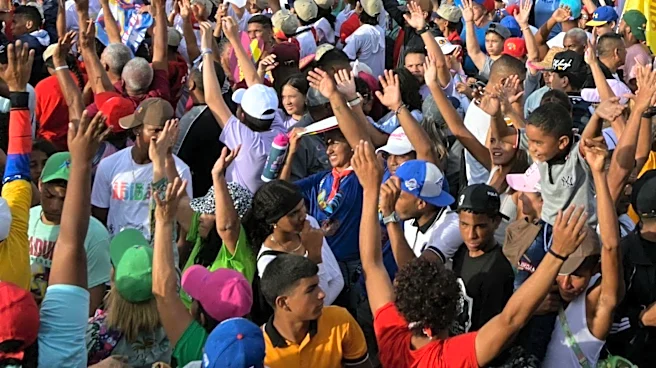
This perspective highlights rhetoric's ongoing relevance as a civic art. Whether through formal speeches or non-verbal forms, rhetoric remains a powerful tool for influencing communities at local, national, and even global levels. It underscores the idea that the way we communicate, argue, and persuade plays a crucial role in the ongoing development and transformation of our shared civic spaces.