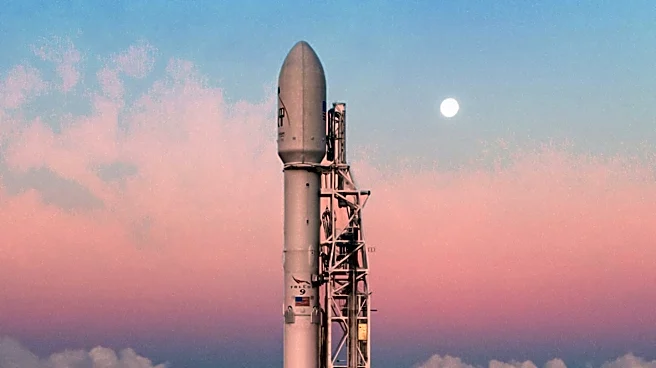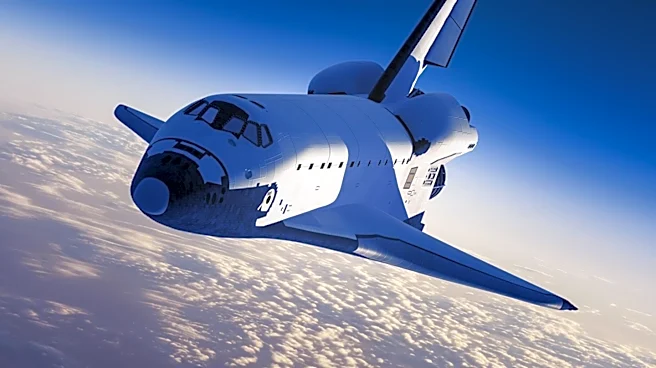


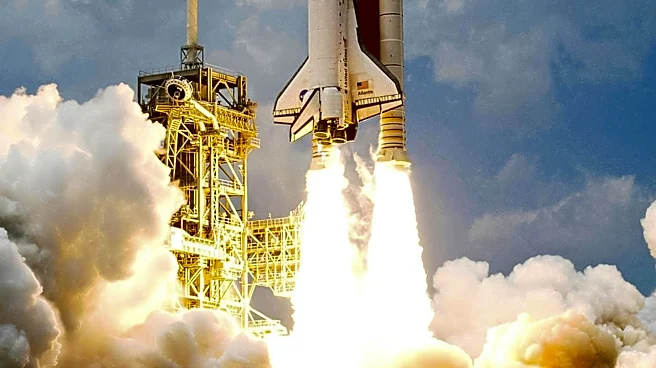

The STS-9 mission, while a scientific triumph, also presented significant technological challenges and demonstrated the resilience of the Space Shuttle Columbia and its crew. Launched on November 28, 1983, this mission was the ninth NASA Space Shuttle flight and the sixth for Columbia. It was primarily dedicated to carrying the first Spacelab laboratory module into orbit, a complex piece of equipment designed for advanced scientific research. The mission's
success was not without its technical hurdles, both during the flight and upon landing, highlighting the intricate engineering involved in space exploration.
Spacelab 1: A New Era for Space Science
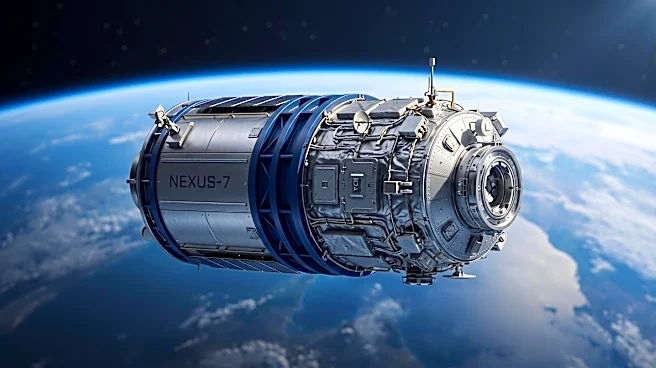
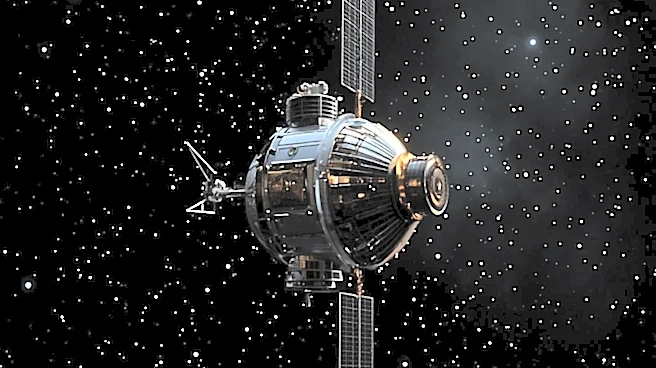
The core of STS-9's technological innovation was the Spacelab 1 module, a joint venture between NASA and the European Space Agency (ESA). This module allowed for a wide array of scientific experiments to be conducted in orbit, spanning atmospheric and plasma physics, astronomy, solar physics, material sciences, technology, astrobiology, and Earth observations. The design of Spacelab enabled a six-person crew, the largest at the time, to work in shifts, maximizing research time. The module's integration into the Space Shuttle's payload bay represented a significant step forward in providing a dedicated, shirt-sleeve environment for scientists to perform hands-on research in microgravity. The successful operation of Spacelab 1 proved the feasibility of using non-NASA personnel, trained as payload specialists, to conduct complex experiments in space, coordinating with ground control via the TDRS-1 satellite.
In-Flight Computer Anomalies and Crew Response
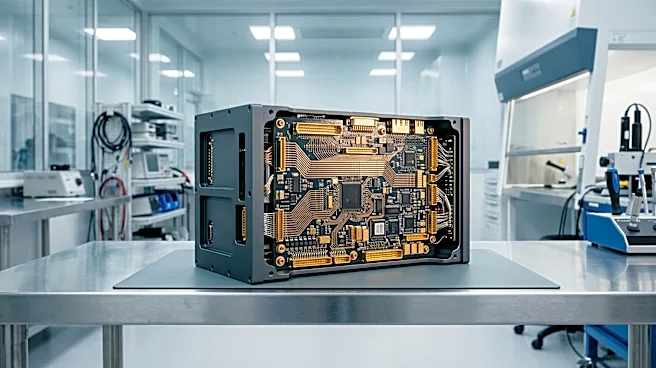
During the mission, specifically four hours before re-entry, the crew encountered critical computer failures. One of the orbiter's flight control computers crashed when the Reaction Control System (RCS) thrusters were fired. Minutes later, a second computer experienced a similar crash, though it was successfully rebooted. Commander John Young, a highly experienced astronaut, delayed the landing and allowed the orbiter to drift. His later testimony revealed the gravity of the situation, stating that activating the Backup Flight Software at that moment could have resulted in the loss of the vehicle and crew. Post-flight analysis attributed these General Purpose Computer (GPC) failures to a piece of solder coming loose and shorting out the CPU board due to the RCS thruster motion. This incident underscored the importance of robust system design and the critical role of crew expertise in managing unforeseen technical malfunctions in space.
Landing Incidents and Post-Flight Discoveries
The STS-9 mission concluded with a successful landing at Edwards Air Force Base on December 8, 1983. However, the landing itself was not without incident. Right before touchdown, two of Columbia's three auxiliary power units (APUs) caught fire due to a hydrazine leak. Despite this, the orbiter landed safely. The leak was later discovered to have burned itself out, but it caused major damage to the compartment. This incident, combined with the delivery of the new Space Shuttle Discovery, prompted NASA to take Columbia out of service for an extensive renovation and upgrade program. This period of refurbishment, lasting through 1984 and 1985, aimed to bring Columbia's specifications in line with the newer orbiters, ensuring its continued operational capability after facing significant technical challenges during STS-9.