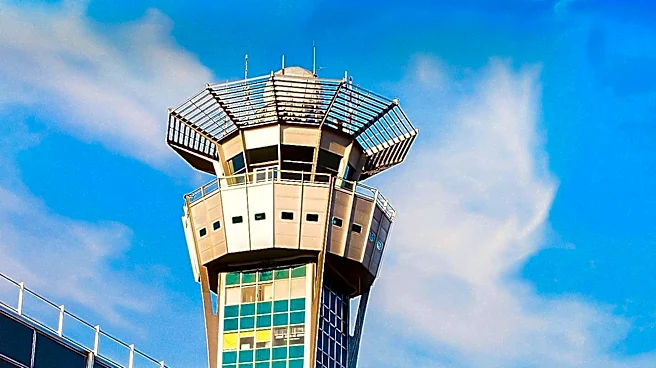



In 1981, air traffic controllers in the United States faced a host of challenges that ultimately led to a significant labor strike. The Professional Air Traffic Controllers Organization (PATCO) declared a strike on August 3, 1981, after years of mounting tension with the federal government. The issues at the heart of the strike included long working hours, chronic understaffing, outdated equipment, and rising workplace stress. These factors combined
to create a high-pressure environment that pushed controllers to their limits.
Long Hours and Understaffing
One of the primary grievances of air traffic controllers in 1981 was the long hours they were required to work. The nature of their job demanded constant vigilance and attention to detail, which was made more difficult by the extended shifts they had to endure. This situation was exacerbated by chronic understaffing, which meant that controllers often had to work overtime to cover for absent colleagues or to manage increased air traffic.
The understaffing issue was not just a matter of inconvenience; it had serious implications for the safety and well-being of both the controllers and the flying public. With fewer controllers available to manage the growing volume of air traffic, the risk of errors increased, leading to heightened stress levels among the workforce. This stress was a significant factor in the decision to strike, as controllers sought to draw attention to the unsustainable conditions they were facing.
Outdated Equipment and Rising Stress
In addition to long hours and understaffing, air traffic controllers in 1981 were also dealing with outdated equipment. The technology they relied on to manage air traffic was not keeping pace with the rapid growth of the aviation industry. This outdated equipment made their jobs more difficult and increased the likelihood of mistakes, further contributing to the stress they experienced on a daily basis.
The combination of long hours, understaffing, and outdated equipment created a perfect storm of stress for air traffic controllers. Many workers reported significant psychological strain as a result of their working conditions, and fatigue became a common issue. Despite these challenges, federal officials continued to insist that the air traffic control system was safe, resisting calls for major structural reforms.
The Decision to Strike
Faced with these challenges, the members of PATCO decided to take action. Their demands included a $10,000 pay increase, a four-day work week, and improved pension and disability benefits. However, the federal government was unwilling to meet these demands, leading to the strike on August 3, 1981.
The strike was a bold move by the controllers, who were confident in their ability to secure better working conditions. However, the Reagan administration's swift response, including the replacement of striking workers, ultimately led to the strike's failure. Despite this outcome, the challenges faced by air traffic controllers in 1981 remain a significant chapter in the history of labor relations in the United States.