







The anorak, a weatherproof jacket with a hood, has a rich history that traces back to the indigenous peoples of the Arctic, particularly the Inuit. Originally designed to protect against the harsh Arctic climate, the anorak has evolved significantly over time. Today, it is not only a functional piece of clothing but also a fashion statement. This article explores the journey of the anorak from its traditional roots to its modern adaptations.
Inuit Origins
The anorak's
origins lie with the indigenous peoples of the Arctic, including the Inuit of Greenland and Alaska. These communities crafted the anorak to withstand the extreme weather conditions of the region. The traditional Inuit anorak, also known as the Inuit parka, was made using animal furs and intestines, which provided both warmth and water resistance. This garment was essential for survival, offering protection from the cold and wind.
The craftsmanship involved in making these anoraks was highly skilled, with each piece tailored to maximize warmth and utility. The use of different animal furs allowed for variations in warmth, with caribou or reindeer fur used for winter garments and seal skin for summer wear. The hood was often lined with long-haired furs, such as those from wolverines, to provide additional protection against the elements.
Cultural Significance
Beyond their practical use, anoraks held cultural significance for the Inuit. These garments were more than just clothing; they were a reflection of identity and craftsmanship. The intricate designs and the use of local materials showcased the ingenuity and resourcefulness of the Inuit people. Anoraks were often passed down through generations, serving as cultural artifacts that connected individuals to their heritage.
Inuit anoraks were not only functional but also symbolic. They represented the deep connection between the Inuit and their environment, highlighting the importance of adapting to and respecting nature. The anorak's design and construction were a testament to the Inuit's understanding of their surroundings and their ability to thrive in one of the world's most challenging climates.
Modern Adaptations
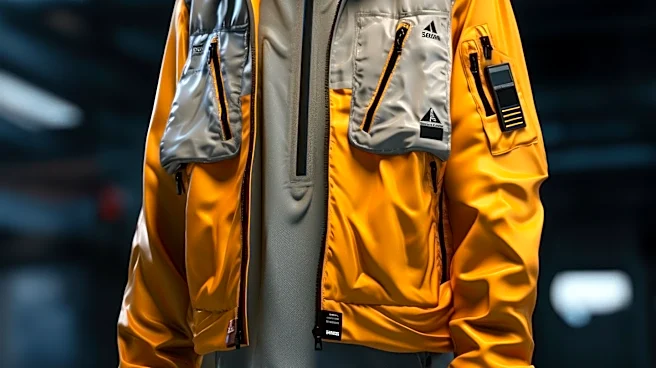
In modern times, the anorak has undergone significant transformations. While it retains its core function as a protective outerwear, contemporary anoraks are made from synthetic materials that offer improved breathability and water resistance. These advancements have made the anorak a popular choice for outdoor enthusiasts and fashion-conscious individuals alike.
The anorak gained widespread recognition as a sportswear item during the 1936 Winter Olympics. Since then, it has become a staple in both casual and high-fashion wardrobes. Designers have embraced the anorak's utilitarian aesthetic, incorporating it into various collections and styles. Today, the anorak is available in a range of colors, fabrics, and designs, catering to diverse tastes and preferences.
The evolution of the anorak from a traditional Inuit garment to a modern fashion item reflects broader trends in clothing design and cultural exchange. As the anorak continues to adapt to contemporary needs, it remains a symbol of resilience and innovation, bridging the gap between past and present.