


Punk fashion is more than just a style; it is a powerful symbol of rebellion and individuality. Born out of the punk subculture's desire to challenge societal norms, punk fashion has left an indelible mark on culture and fashion. This article explores the cultural and symbolic impact of punk fashion, highlighting its role as a form of self-expression and resistance.
The Rebellious Roots of Punk Fashion
Punk fashion emerged in the 1970s as a visual manifestation of the punk subculture's
anti-establishment ethos. It was characterized by a DIY approach, with punks using everyday objects to create unique and provocative outfits. Leather jackets adorned with spikes, pins, and patches became iconic symbols of the movement, representing defiance against mainstream fashion.
The use of unconventional materials like PVC and rubber further emphasized punk fashion's rejection of consumerism and conformity. Punks often sourced their outfits from secondhand stores, emphasizing individuality and nonconformity. This approach to fashion was a direct challenge to the status quo, making punk style a powerful form of protest.
Punk Fashion as a Form of Self-Expression
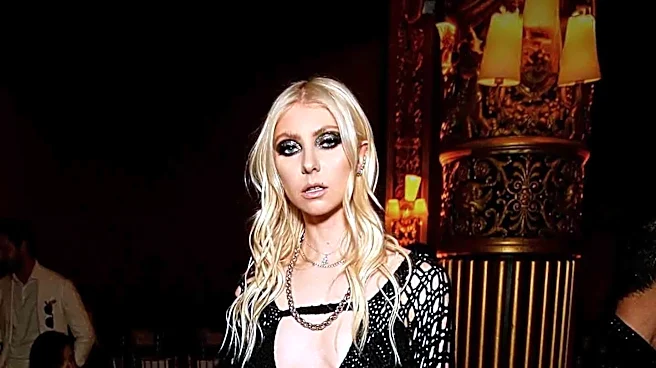
Punk fashion is not just about clothing; it is a form of self-expression. Punks use their style to communicate their beliefs and attitudes, often incorporating political and social messages into their outfits. Accessories like razor blades and chains are used to convey aggression and rebellion, while tattoos and piercings serve as permanent symbols of individuality.
The DIY ethos of punk fashion allows individuals to create personalized looks that reflect their unique identities. This emphasis on individuality is a key aspect of punk culture, as it encourages people to break free from societal expectations and express themselves authentically.
The Enduring Influence of Punk Fashion
Despite its commercialization, punk fashion continues to influence contemporary style. Elements of punk can be seen in various fashion trends, from streetwear to high fashion. Designers like Vivienne Westwood and Jean Paul Gaultier have incorporated punk elements into their collections, showcasing them on international runways.
Punk fashion's impact extends beyond clothing; it has shaped cultural attitudes towards individuality and rebellion. It has inspired other subcultures and movements, proving that its influence is enduring. Today, punk fashion remains a symbol of resistance and self-expression, reminding us of the power of style to challenge the status quo.
Punk fashion's cultural and symbolic impact is a testament to its significance. As a form of rebellion and individuality, it continues to inspire and influence, proving that its legacy is far from over.