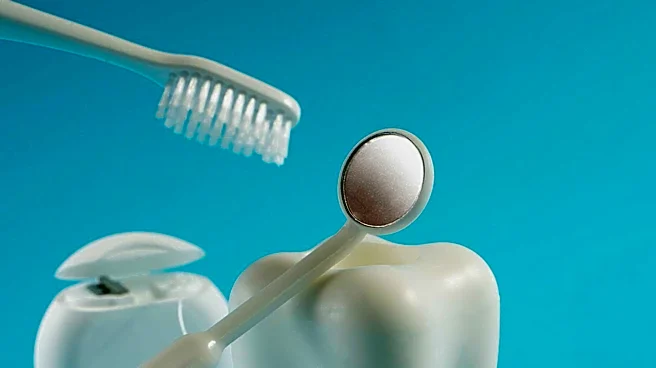







Tooth whitening, also known as tooth bleaching, is a popular process aimed at lightening the color of human teeth. This procedure is often sought when teeth become yellowed over time due to various factors. Whitening can be achieved by altering either the intrinsic or extrinsic color of the tooth enamel. Essentially, tooth whitening primarily targets intrinsic stains that cannot be removed through mechanical cleaning methods like debridement or prophylaxis
performed in a dental office. The chemical breakdown of chromogens, which are color-producing substances within or on the tooth, is what is referred to as bleaching.
The Role of Hydrogen Peroxide in Whitening
The most common active ingredient used in tooth whitening products is hydrogen peroxide. This can be delivered directly as hydrogen peroxide or as carbamide peroxide, which breaks down in the mouth to form hydrogen peroxide. For a whitening treatment to be successful, dental professionals must accurately diagnose the type, intensity, and location of the tooth discoloration. Tooth discoloration and staining primarily stem from two sources: intrinsic and extrinsic stains.
Some whitening toothpastes contain low concentrations of carbamide peroxide or hydrogen peroxide. While these can help lighten tooth color, they do not contain bleach, such as sodium hypochlorite. The use of bleach with extremely low pH levels in tooth whitening procedures may lead to hypersensitive teeth, as it can cause the dentinal tubules to open. Consuming fewer foods and drinks that cause surface staining can contribute to a better result from tooth whitening.
In-Office and At-Home Whitening Techniques
Before any tooth whitening procedure, it is recommended that a patient undergoes a comprehensive oral examination in a dental office. This includes a full medical, dental, and social history to identify any necessary treatments, such as cavity restorations, and to determine if the patient is a suitable candidate for whitening. The clinician would then clean the tooth surface using an ultrasonic scaler, hand instruments, and potentially a prophy paste to remove extrinsic stains. This preparation ensures a clean surface for maximum benefit from the chosen whitening method.
In-office bleaching procedures typically involve a light-cured protective layer carefully applied to the gums and papilla to minimize the risk of chemical burns to soft tissues. The bleaching agent, either carbamide peroxide or hydrogen peroxide, is then applied. These gels usually contain between 10% and 44% carbamide peroxide, which is roughly equivalent to a 3% to 16% hydrogen peroxide concentration. In the European Union, the legal percentage of hydrogen peroxide allowed in retail products is 0.1%, with up to 6% permitted under the supervision of a dental professional. Only certified dental practitioners, dental therapists, and dental hygienists are allowed to provide bleaching agents.
Tray-based tooth whitening is another method, achieved by wearing a fitted tray containing carbamide peroxide bleaching gel overnight or for two to four hours a day. Intracoronal bleaching is a specific tooth whitening method that uses 30% more hydrogen peroxide. This higher concentration is a key difference, as free radicals are the primary cause of tooth sensitivity and gum irritation when using hydrogen peroxide-based bleaching agents.
Assessing Effectiveness and Managing Sensitivity
Whitening shade guides are used to measure tooth color and determine the effectiveness of the procedure, which can vary from two to seven shades. These results might be achieved after a single in-office appointment or may take longer, depending on the individual. The effects of bleaching can last for several months, but this can vary based on the patient's lifestyle. Consuming tooth-staining foods or drinks, such as coffee, tea, red wines, and curry, can compromise the treatment's effectiveness.
Bleaching is generally least effective when the original tooth color is grayish and may require custom bleaching trays. It is most effective for yellow discolored teeth. If a patient has heavy staining or tetracycline damage and whitening is ineffective, other methods like bonding or veneers can mask the stain. Bonding involves applying a thin coating of composite material to the front of the teeth and curing it with a blue light. Veneers can also effectively mask tooth discoloration.
Prior to applying whitening agents, a clinician should examine the patient, including taking a health and dental history, observing hard and soft tissues, and assessing existing restorations. X-rays may also be used to determine the nature and depth of any irregularities. Failing to complete this assessment before applying whitening agents can lead to excessive sensitivity and other complications. After treatment, it is recommended to avoid smoking and consuming deeply colored foods or drinks, as teeth may stain considerably immediately after the procedure.