





The Mod subculture, originating in late 1950s London, became a defining movement in British youth culture. Known for its focus on fashion and music, Mods were stylish young men and women who embraced modern jazz and later expanded their musical tastes to include soul, rhythm and blues, and ska. This subculture not only influenced fashion trends but also played a significant role in shaping the cultural landscape of the era.
Origins of the Mod Subculture
The term 'Mod' is derived
from 'modernist,' a label given to young jazz enthusiasts in London during the late 1950s. These modernists were characterized by their sharp Italian-inspired fashion sense and their love for modern jazz music. As the movement grew, Mods began to incorporate other musical genres such as soul and rhythm and blues, which further defined their identity. The Mod subculture was not just about music; it was a lifestyle that emphasized being 'cool, neat, sharp, hip, and smart.'
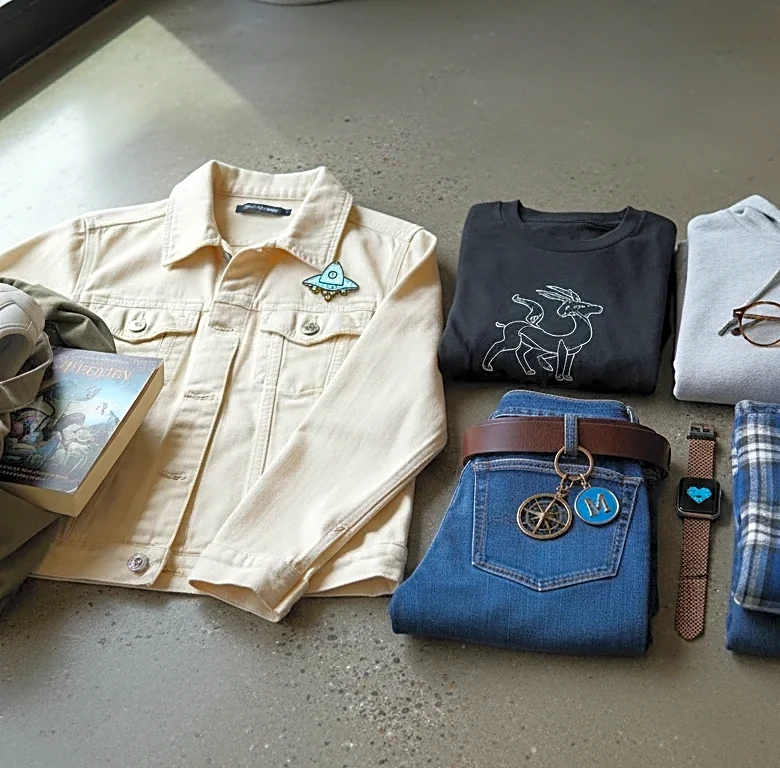
Mods were known for their distinctive fashion choices, often wearing tailor-made suits and riding scooters, typically Lambrettas or Vespas. This attention to style was a rebellion against the dull and uninspired British culture of the time, and Mods sought to embrace all things new and exciting. Their fashion choices were a statement of individuality and a rejection of the traditional class system.
Cultural Impact and Expansion
As the Mod subculture expanded throughout the UK, it began to influence broader youth culture. London became synonymous with fashion, music, and pop culture during the 'Swinging London' era. The Mod movement was emblematic of the larger youth culture, and its influence spread to other countries, including the United States.
The Mod subculture's emphasis on fashion and music led to the rise of popular bands like The Who and Small Faces, who appealed to a largely Mod audience. These bands helped to popularize the Mod aesthetic and sound, further cementing the subculture's place in the cultural zeitgeist. The Mod movement's impact on fashion was significant, with its styles becoming part of mainstream youth culture.
Legacy and Evolution
By the late 1960s, the Mod subculture began to fade, giving way to other movements like psychedelia and hard rock. However, its influence persisted, leading to a Mod revival in the late 1970s and early 1980s. This revival saw a renewed interest in the Mod aesthetic, with bands like The Jam adopting the style and sound.
The Mod subculture's legacy is evident in its lasting impact on fashion and music. It challenged traditional norms and inspired future generations to embrace individuality and creativity. The Mod movement remains a symbol of youthful rebellion and cultural innovation, continuing to inspire new subcultures and fashion trends.