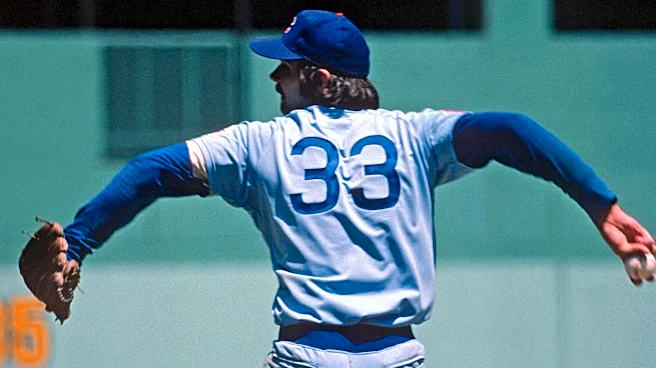








Orel Hershiser, a prominent pitcher in Major League Baseball for 18 seasons, was not known for an overpowering fastball or a dominant physical presence on the mound. Instead, his success stemmed from a sophisticated understanding of pitching as a strategic art. Hershiser developed a wide variety of pitches and employed a cerebral approach, consistently aiming to outthink hitters rather than simply overpower them. This tactical mindset, combined with
his diverse repertoire, allowed him to achieve significant milestones, including a World Series championship and a Cy Young Award, by mastering the mental game of baseball.
A Repertoire Built on Deception and Variety
Hershiser's pitching style was characterized by its emphasis on variety and deception. He understood that to succeed at the highest level, he needed more than just raw velocity. In 1989, he detailed his pitch repertoire, which included a fastball, a curveball, a slider, and a changeup. Each pitch served a specific purpose, designed to keep hitters off balance and guessing. His fastball, while not exceptionally fast, was used effectively to set up his other pitches. The curveball, often a primary breaking pitch for many pitchers, was a key component of his arsenal, allowing him to change speeds and eye levels.
The slider and changeup further diversified his attack. The slider provided a different break and speed than his curveball, offering another option to disrupt a hitter's timing. His changeup, designed to look like a fastball but arrive much slower, was crucial for creating weak contact and generating swings and misses. This comprehensive approach meant that hitters rarely saw the same sequence or pitch in the same situation, forcing them to constantly adjust and often leading to their downfall. This strategic diversity was a hallmark of his effectiveness throughout his career.
The Mental Game: Outthinking the Batter
Beyond the physical execution of his pitches, Hershiser's true strength lay in his ability to outthink hitters. He approached each at-bat like a chess match, analyzing the batter's tendencies, anticipating their expectations, and then executing pitches that exploited those insights. This mental acuity allowed him to compensate for a lack of elite velocity, turning his mound appearances into strategic battles where he often held the intellectual advantage.
His reputation for tenacity and mental toughness earned him the nickname "Bulldog" from Dodgers manager Tommy Lasorda. This moniker reflected Hershiser's relentless effort and determination to get batters out, even when facing adversity. This mental fortitude was evident in his ability to navigate difficult innings, make crucial pitches in high-pressure situations, and maintain focus throughout long games. His strategic approach was not just about throwing different pitches, but about understanding when and how to deploy them most effectively, making him a formidable opponent for any hitter in Major League Baseball.