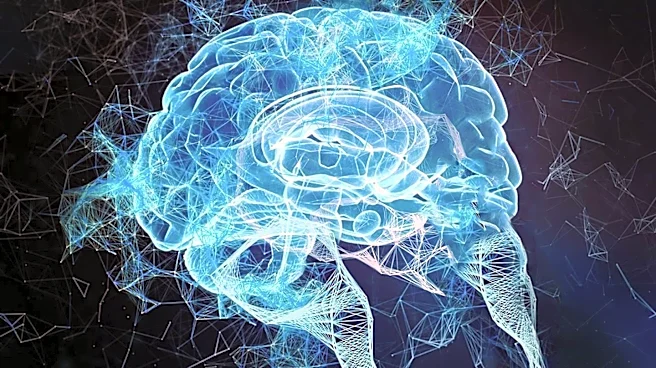










Attention is a complex cognitive process supported by intricate neural mechanisms. Understanding the neural basis of attention involves exploring the brain networks and processes that enable us to focus, shift, and sustain our attention. This article delves into the neural underpinnings of attention, highlighting key brain regions and networks involved in attentional control.
Brain Networks Supporting Attention
Attention is not localized to a single brain region but involves distributed
neural networks. Key areas include the frontal, parietal, and subcortical regions, which work together to support various attentional processes. These networks are closely linked to working memory, executive functions, and consciousness, reflecting the integrated nature of attention in cognitive functioning.
The frontoparietal attention network plays a crucial role in controlling attention. This network is involved in both bottom-up (stimulus-driven) and top-down (goal-directed) attention. Bottom-up attention is driven by external stimuli, such as sudden movements or bright colors, and is associated with regions in the parietal lobe, temporal lobe, and brainstem. In contrast, top-down attention is mediated by the frontal cortex and basal ganglia, reflecting goal-directed attentional control.
Neuroimaging and Attention Research
Advancements in neuroimaging techniques, such as positron emission tomography (PET) and functional magnetic resonance imaging (fMRI), have revolutionized attention research. These tools allow researchers to visualize brain activity and identify neural correlates of attentional processes. Pioneering studies by psychologists like Michael Posner and neurologists like Marcus Raichle have used these techniques to map the neural networks involved in selective attention.
Electroencephalography (EEG) has also contributed to understanding attention, revealing characteristic changes in brain activity associated with attentional focus. For instance, gamma waves (40–60 Hz) are produced when focusing attention on specific objects or tasks, providing insights into the dynamic nature of attentional processes.
Components of Attention
Eric Knudsen identified four fundamental components of attention: working memory, competitive selection, top-down sensitivity control, and salience filters. These components interact at different hierarchical levels, enhancing or inhibiting activity in sensory areas and guiding orienting behaviors like eye movements.
Understanding these components provides a comprehensive view of how attention operates at the neural level. It highlights the complexity of attentional processes and the interplay between different brain regions and networks.
The neural basis of attention is a testament to the complexity of cognitive processes. By unraveling the neural mechanisms underlying attention, researchers can gain deeper insights into how we interact with and interpret the world around us.