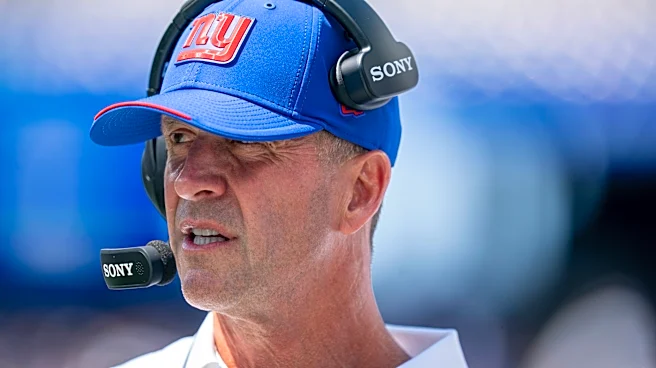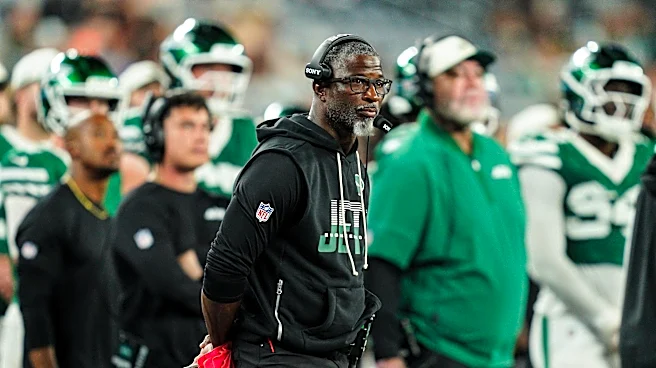


The National Football League (NFL) is home to many intense rivalries, but few possess the unique characteristics of the one between the New York Giants and the New York Jets. This intra-city, interconference matchup stands out not only because both teams are based in the New York metropolitan area, but also due to their long history of sharing a home stadium. What began as a battle for local supremacy between two competing leagues evolved into a complex
"sibling rivalry" marked by shared facilities, naming disputes, and moments of intense competition, even as the infrequency of their regular season meetings sometimes leads to questions about its true intensity.
Origins in the AFL-NFL Competition
The roots of the Giants-Jets rivalry trace back to the formation of the American Football League (AFL) in 1960. The upstart AFL aimed to directly compete with the more established NFL, and this competition extended to the New York market. A charter franchise was granted to Harry Wismer, who believed New York was ready for another professional football team, setting the stage for a direct clash with the NFL's Giants. Like the AFL and NFL themselves, their respective New York teams immediately began to fight for publicity, attention, and fans in the bustling metropolitan area.
This early period was characterized by a struggle for dominance in the local sports landscape, with both teams vying for the hearts and minds of New York football enthusiasts. The idea of a direct on-field confrontation between the two New York teams emerged relatively early. In 1965, New York City Council member Matthew Troy filed a resolution for Mayor Robert F. Wagner Jr. to request that the Giants and Jets play a game. This proposed contest was intended "for the benefit of sandlot" and was styled after the Mayor's Trophy, which was a feature of the Mets–Yankees rivalry at the time. This early call for a game underscored the growing desire among the public and local officials to see these two New York teams face off, even before they were part of the same unified league structure.
The Pivotal 1969 Preseason Game and Its Immediate Impact
The first actual game between the Giants and Jets took place in 1969, albeit in the preseason. This matchup, held on August 17, 1969, was far from a typical exhibition game; it was widely viewed as a "turf war" by both sides, reflecting the deep-seated competition and desire for local bragging rights. The Giants, considered a mediocre team at the time, were regarded as underdogs and faced considerable scrutiny from their fans and the media leading up to the game. The Jets, fresh off their historic Super Bowl III victory, delivered a decisive blow, winning the game 37–14.
The outcome of this preseason clash had immediate and dramatic consequences. The Jets' victory directly resulted in the firing of Giants coach Allie Sherman, a rare occurrence for a preseason game. This event solidified the intensity of the rivalry from its very first on-field encounter, demonstrating that even exhibition games between these two teams carried significant weight and could have real-world repercussions for coaching careers. Since this impactful first meeting, the teams have continued to play annually in the preseason, maintaining a consistent, if sometimes less intense, tradition.
The Era of Shared Stadiums and Its "Sibling Rivalry" Dynamics
A significant chapter in the rivalry began in 1984 when the Jets left Shea Stadium and moved into Giants Stadium. This move initiated an unprecedented era where both NFL teams shared the same home venue. The arrangement immediately fostered a "sibling rivalry" dynamic, as both teams literally played at and shared the stadium. However, this cohabitation was not without its tensions. Many Jets fans assumed the stadium's name would be changed to reflect their presence, but the Giants, despite not owning the stadium, held the authority to approve any name change and vetoed the proposal. They refused to reconsider, even as the sale of naming rights became increasingly common and lucrative in other venues.
This dispute led to the Jets resisting references to the stadium by its official name, instead calling it "The Meadowlands." The naming of the stadium played a role in the rivalry, with the Giants often perceived as overshadowing the Jets in their shared home. This period of sharing Giants Stadium lasted for 26 years, from 1984 to 2009. Despite the "big sibling rivalry" and occasional "trash talk" between players, the unexpected and time-tested partnership between the two teams grew stronger. This evolving relationship eventually led to both franchises becoming joint owners of their next shared home, MetLife Stadium, each holding a fifty percent share since 2010.
Modern Tensions and the Question of Its "Realness"
While the shared stadium arrangement has fostered a unique bond, the infrequency with which the Giants and Jets meet in the regular season has led some, including players from both teams, to question whether it constitutes a "real rivalry." As an interconference matchup, regular season games are less common than divisional rivalries. However, there have been notable instances where the rivalry has regained significant tension. The 2011 NFL season provided such a moment when the Jets and Giants met in Week 16. Both teams desperately needed a victory to keep their playoff hopes alive, leading to significant "trash talk" between Jets coach Rex Ryan and his players and many of the Giants in the weeks leading up to the game.
The intensity of this particular game was palpable, with reports that Ryan and Giants running back Brandon Jacobs came close to blows after the Giants secured a 29–14 win. Another memorable encounter occurred on December 6, 2015, when the Jets staged a comeback to win 23–20 in overtime. These critical games demonstrate that despite the occasional questioning of its intensity due to scheduling, the Giants-Jets rivalry can still ignite with passion and high stakes, especially when playoff implications are on the line, reinforcing its status as a notable intra-city contest within the NFL landscape.