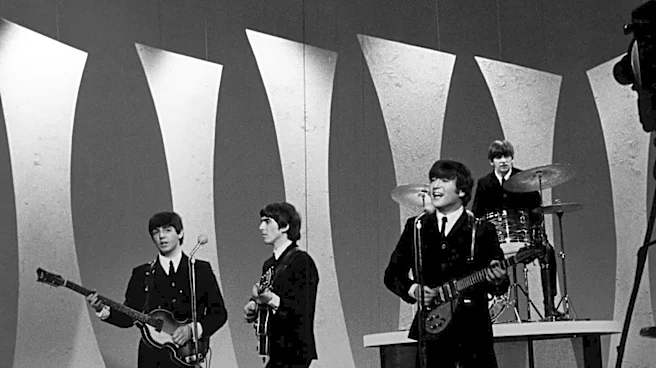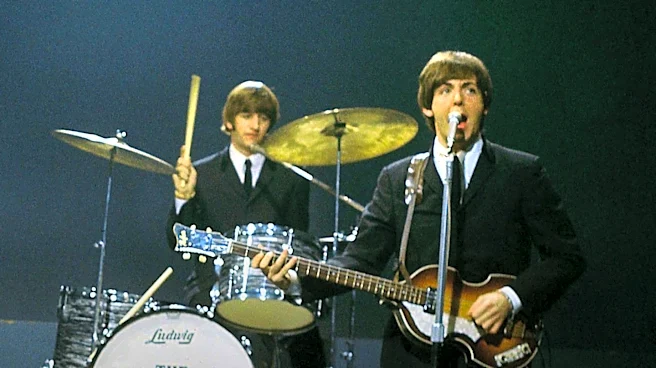





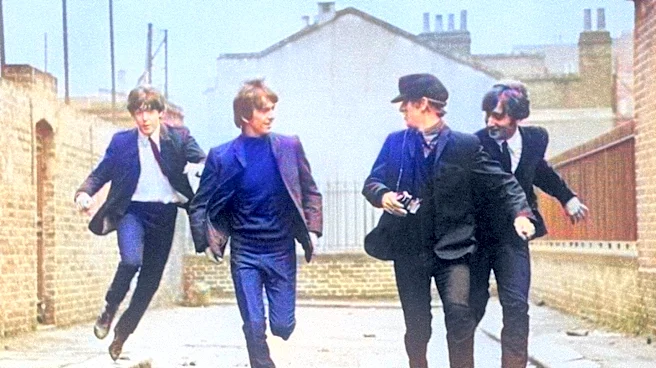


Brian Epstein, a figure central to The Beatles' early success, played a pivotal role not only in managing their careers but also in fundamentally transforming their public image and stage presence. Before Epstein's involvement, The Beatles were known for a raw, unpolished style, both in their attire and their on-stage behavior. His vision, though initially met with some resistance, ultimately helped to make the band more palatable to a wider audience,
paving the way for their global phenomenon. His influence extended from their clothing choices to their stage etiquette, demonstrating a keen understanding of how presentation could impact perception.
From Leather Jackets to Suits: A New Look
When Brian Epstein first encountered The Beatles, their stage attire consisted of blue jeans and leather jackets. This look, while perhaps fitting for the gritty club scene of Liverpool, was not what Epstein envisioned for a band with broader appeal. He made it clear that he wanted to change their dress code, believing that a more refined appearance would open doors to larger venues and a more diverse audience. Initially, he encouraged them to move away from the leather jackets and jeans, eventually prohibiting them from appearing in such attire after a short period. The next step in this sartorial evolution was to get them to wear sweaters on stage.
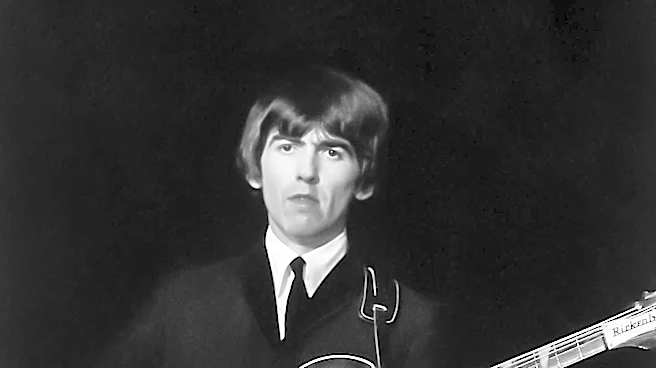
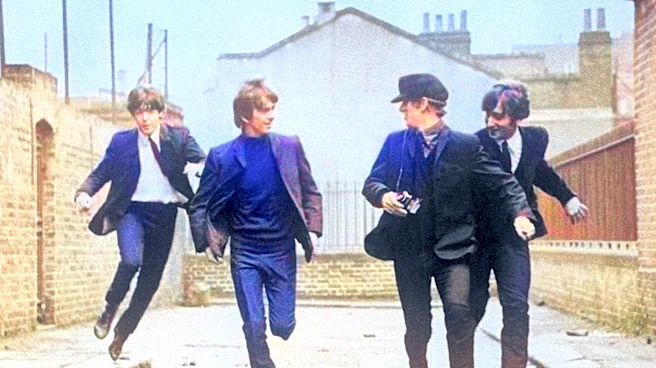
This gradual shift culminated in the band reluctantly adopting suits. Paul McCartney was reportedly the first to agree with Epstein's ideas, attributing it to Epstein's training at the Royal Academy of Dramatic Art (RADA). John Lennon, initially against the idea of suits and ties, famously conceded, saying, "Yeah, man, all right, I'll wear a suit. I'll wear a bloody balloon if somebody's going to pay me." This change in wardrobe was a significant part of Epstein's strategy to present The Beatles as disciplined, well-dressed, and orderly, making them acceptable to a larger public.
Refining Stage Etiquette and Professionalism
Beyond clothing, Epstein also addressed The Beatles' on-stage behavior. Before his management, the band's performances were characterized by a more casual and sometimes unruly approach. They would smoke, eat, and swear on stage, stop and start songs as they pleased, pretend to hit each other, and even turn their backs to the audience. Epstein put a stop to these behaviors, insisting on a more professional and polished presentation. He believed that such antics, while perhaps endearing to some, would hinder their progress toward mainstream success.
One of Epstein's most enduring suggestions was the famous synchronized bow at the end of their performances. This simple yet effective gesture became a hallmark of The Beatles' live shows, adding a touch of class and unity to their act. This focus on discipline and presentation extended to their overall organization. Under Epstein's guidance, the group became far more organized, adopting a single concert diary for bookings instead of relying on individual members' haphazard records. This newfound professionalism, combined with their musical talent, allowed them to play in "better places" and commanded higher fees for their performances, such as an increase from £3, 15 shillings to £10 for a Cavern Club concert.
The Genesis of a Partnership: Epstein's First Encounter
Brian Epstein's journey with The Beatles began with his first encounter at the Cavern Club. He had heard about the band through Bill Harry's Mersey Beat magazine and posters around Liverpool. On November 9, 1961, Epstein, accompanied by his assistant Alistair Taylor, attended a lunchtime concert at the Cavern Club. He was immediately captivated by their performance, noting their music, beat, and sense of humor on stage. After the show, he met them in their dressing room, which he described as being "as big as a broom cupboard," and was further struck by their personal charm. This initial impression led him to consider managing them, a decision that would change the course of music history. Despite Taylor's initial assessment that they were "absolutely awful" but "remarkable," Epstein declared, "I think they're tremendous!" and soon after pursued the management role, marking the true beginning of their legendary collaboration.