





Berlin's urban landscape is a compelling narrative told through its architecture, a polycentric metropolitan area where diverse styles from different historical periods coexist. The city's appearance today has been profoundly shaped by the events of the 20th century, particularly the destruction of World War II and the subsequent division and reunification. This has resulted in an eclectic mix, from historic Gründerzeit buildings to modernist housing
estates, and iconic landmarks that symbolize both its past struggles and its present unity.
Echoes of the Past: Historic Structures and Memorials
Despite the extensive damage of World War II, approximately 40% of Berlin's buildings predate the conflict. About 17% of the city's structures are from the Gründerzeit or earlier, while nearly 25% date from the 1920s and 1930s, a period when Berlin was a significant center for modern architecture. The Nikolaiviertel, for instance, represents the reconstructed oldest settlement area in the city, offering a glimpse into its medieval roots. Berlin Cathedral, an ambitious attempt by Emperor William II to create a Protestant counterpart to St. Peter's Basilica in Rome, stands as a grand example of earlier architectural aspirations, housing a large crypt with the remains of some early Prussian royal family members.
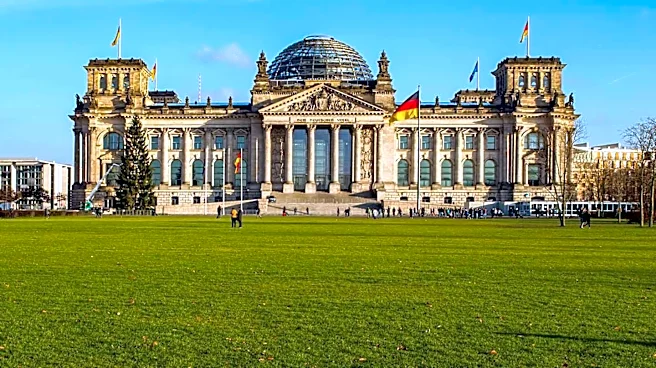
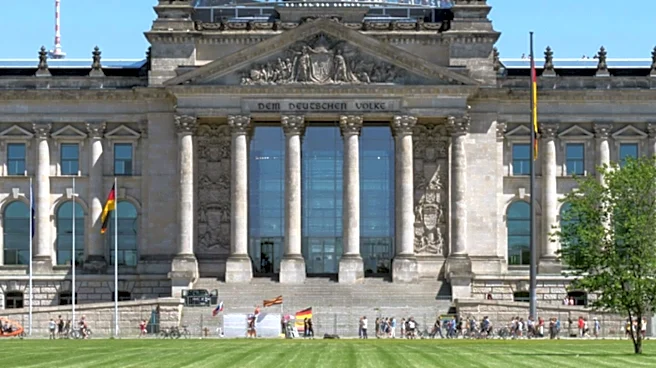
Other historical landmarks include the Brandenburg Gate, an iconic symbol of Germany and European history, representing unity and peace. The Reichstag building, the traditional seat of the German Parliament, was remodeled in the 1990s by British architect Norman Foster, who added a distinctive glass dome over the session area. This dome not only allows public access to parliamentary proceedings but also offers magnificent views of the city. The Gendarmenmarkt, a neoclassical square, is bordered by two similarly designed cathedrals, the Französischer Dom and the Deutscher Dom, with the Konzerthaus, home to the Berlin Symphony Orchestra, situated between them.
Modernism, Division, and Reconstruction
The 20th century also left its indelible mark through modernist movements and the physical manifestations of the city's division. The Berlin Modernism Housing Estates are recognized as a World Heritage Site, showcasing innovative architectural and urban planning approaches from the early 20th century. The Fernsehturm (TV tower) at Alexanderplatz, built in 1969, is among the tallest structures in the European Union, its 368-meter height making it visible across central Berlin and offering an observation floor at 204 meters.
The legacy of Berlin's division is powerfully conveyed through sites like the East Side Gallery, an open-air exhibition of art painted directly on the last remaining portions of the Berlin Wall. This serves as the largest surviving evidence of the city's historical split. Potsdamer Platz, once a bustling square that became a no-man's-land during the Cold War, was entirely rebuilt from scratch after the Wall came down, symbolizing the city's renewal and forward-looking vision. Adjacent to Potsdamer Platz is the Kulturforum, home to the Gemäldegalerie, Neue Nationalgalerie, and the Berliner Philharmonie, representing a hub of post-war cultural reconstruction.
Green Spaces and Contemporary Urban Design
Beyond its buildings, Berlin is notable for its extensive green spaces, which comprise over one-third of the city's area. The Großer Tiergarten, one of Berlin's largest and most popular parks, is centrally located, providing a natural counterpoint to the urban fabric. This integration of nature within the city contributes to Berlin's reputation as a particularly green metropolis. The city's architecture, therefore, is not just a collection of buildings but a living museum, reflecting centuries of history, resilience, and continuous evolution, from its medieval foundations to its modern, reunified identity.