




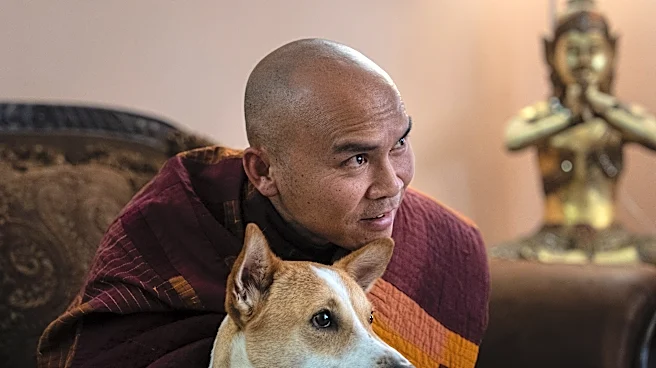



Korean Seon Buddhism, often referred to as Korean Zen, is not only known for its meditative practices but also for its unique approach to community and leadership. Unlike other Zen traditions that may emphasize hierarchical structures, Seon Buddhism incorporates democratic features that influence its practice and organization. This article examines the democratic aspects of Seon Buddhism and how they shape the community dynamics within this tradition.
The Role of the Pangjang
In Seon Buddhism, the role of the teacher, known as the "pangjang," is distinct from the more hierarchical structures found in Japanese Zen. The pangjang is an elected position with an initial ten-year term limit, and they can be recalled by a vote. This democratic process ensures that leadership is accountable to the community and that the focus remains on the collective practice of meditation and insight.
This approach contrasts with the more rigid master-student relationships in other Zen traditions, where a single teacher's interpretation of the dharma may dominate. In Seon Buddhism, the emphasis is on learning from multiple teachers and fellow practitioners, fostering a more egalitarian environment. This structure allows for a diversity of perspectives and encourages personal growth through shared experiences.
Community and Collective Practice
The democratic features of Seon Buddhism extend beyond leadership to the broader community dynamics. In Seon practice, the master-student relationship is less formal, and few monks develop a deep personal rapport with a single teacher. Instead, the focus is on the collective practice of meditation, where monks and practitioners learn from each other and from various teachers.
This community-oriented approach helps maintain the purity of Buddhist thought and practice, as individuals are encouraged to explore and develop their understanding through personal experience. The emphasis on collective practice also reinforces the idea that enlightenment is not an isolated pursuit but a shared journey within the community.
Modern Implications of Democratic Practice
In contemporary times, the democratic features of Seon Buddhism continue to influence its practice and appeal. The tradition's emphasis on community and shared learning resonates with modern values of inclusivity and collaboration. This approach has also contributed to the international recognition of Seon Buddhism, attracting practitioners who appreciate its open and egalitarian nature.
As Seon Buddhism evolves, its commitment to democratic practice ensures that it remains a dynamic and relevant spiritual path. By prioritizing community and collective insight, Seon Buddhism offers a unique approach to understanding the nature of mind and reality, making it a vital part of Korea's spiritual landscape. The tradition's democratic features not only enrich its practice but also serve as a model for other spiritual communities seeking to balance leadership with inclusivity.