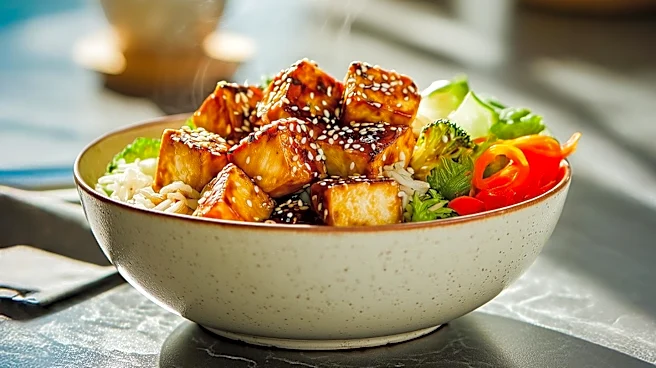






Teriyaki is a celebrated Japanese cooking technique known for its distinctive glaze and flavorful results. The method involves broiling or grilling foods with a sauce made from soy sauce, mirin, and sugar, creating a dish that is both visually appealing and delicious. Understanding the ingredients and preparation methods of teriyaki offers insight into its widespread popularity and versatility.
Essential Ingredients
The foundation of teriyaki lies in its sauce, known as
tare. This sauce is traditionally made by blending soy sauce, sake or mirin, and sugar over heat. The combination of these ingredients results in a glaze that imparts a shine or luster to the food, a characteristic that is central to the term "teriyaki," derived from "teri" (shine) and "yaki" (grilling).
Soy sauce provides the salty base, while mirin, a type of rice wine, adds sweetness and depth. Sugar enhances the glaze's shine and balances the flavors. Occasionally, ginger is added for a hint of spice, and spring onions may be used as a garnish to complement the dish.
Preparation Techniques
The preparation of teriyaki involves marinating the meat in the tare sauce before grilling or broiling. This process allows the flavors to penetrate the meat, resulting in a rich and savory taste. During cooking, the meat is often dipped in or brushed with the sauce, ensuring a glossy finish and enhanced flavor.
In Japan, teriyaki is commonly used for fish such as yellowtail, marlin, skipjack tuna, salmon, trout, and mackerel, as well as chicken. In Western countries, the technique has been adapted to include a variety of meats, such as pork, lamb, and beef, reflecting regional preferences and ingredient availability.
Variations and Modern Adaptations
While the traditional ingredients and methods remain popular, teriyaki has inspired numerous variations. In the United States, particularly in Seattle, a fast-food style of teriyaki has emerged, featuring grilled meats served with a sweet and savory sauce. This adaptation caters to local tastes while maintaining the essence of the original technique.
The versatility of teriyaki allows for creative interpretations, such as teriyaki burgers and fusion dishes that blend Japanese elements with local flavors. These modern adaptations highlight the enduring appeal of teriyaki, showcasing its ability to evolve while preserving its core characteristics.