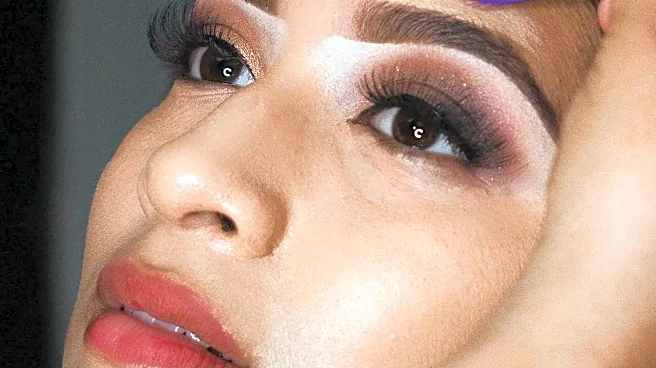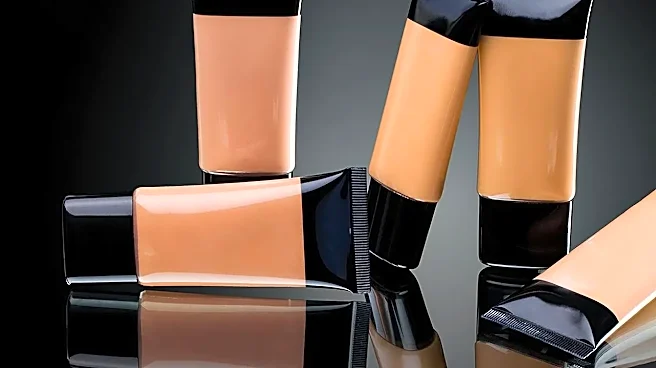


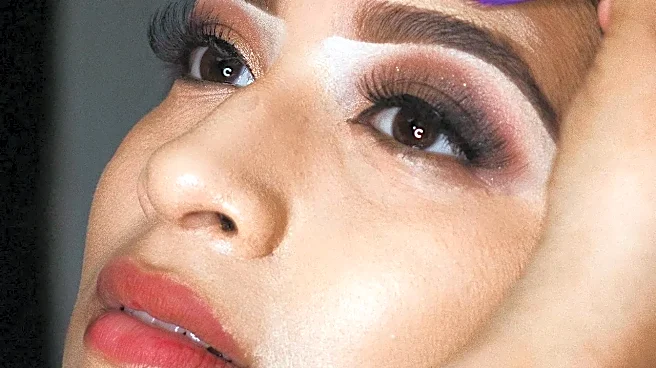
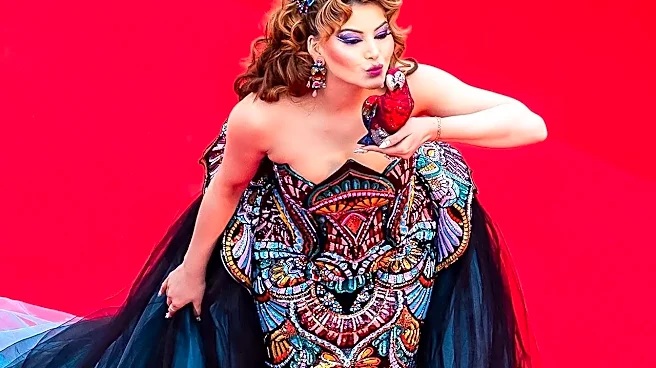
Baking, in the context of makeup, is a technique that involves applying a substantial amount of translucent powder to specific areas of the face, particularly under the eyes and on the high points like the 'T' zone. Its primary purpose is to set base makeup, ensuring its longevity and maximizing coverage. This method is also effective in absorbing excess facial oils, contributing to a matte finish. The versatility of baking allows it to be used across
various skin types and shades, making it a widely applicable technique for achieving a highlighted and refined look.
Setting the Stage: How Baking Works
The process of baking involves letting the translucent powder sit on the skin for a period, allowing the foundation to "melt" into the skin beneath it. This interaction helps prevent creasing in the areas where the powder is applied, which is especially beneficial for delicate areas like under the eyes. By soaking up facial oils, baking ensures that the makeup remains matte and fresh for an extended duration. The result is a poreless and flawless appearance, which is highly sought after in both everyday makeup and professional settings.
This technique is particularly useful for highlighting specific facial features. It can emphasize the under-eye area, cheekbones, the bridge of the nose, the chin, and the forehead. When used in conjunction with contouring, baking acts as a non-shimmery form of highlighting, enhancing the higher points of the face and creating an illusion of definition. For instance, applying baking powder directly beneath the contour on the cheekbones can lead to a more crisp and clean contour line, further sculpting the face.
Professional Applications and Benefits
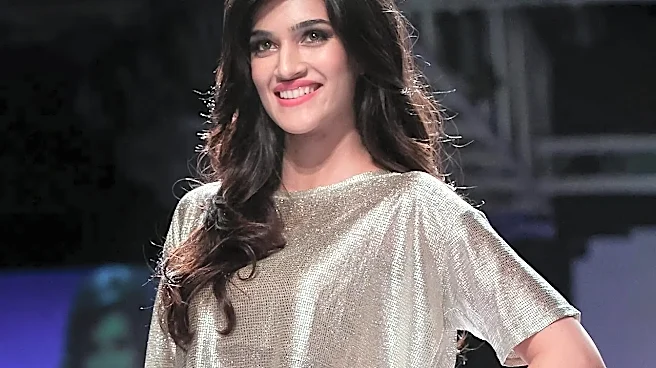
Baking is a favored technique among performers and celebrities due to its ability to significantly increase makeup longevity. For individuals who are under hot lights or engaged in strenuous activities, baking helps prevent makeup from melting or rubbing off easily. This reduces the need for frequent touch-ups, allowing performers to maintain a consistent look throughout their shows or events. Makeup artists frequently employ this method for celebrities and models, recognizing its effectiveness in setting makeup under demanding conditions.
Beyond its setting and highlighting capabilities, baking also offers benefits for photography. The enhanced coverage and matte finish it provides are ideal for flash photography, minimizing shine and creating a smooth complexion. This contributes to the flawless appearance often seen in professional photos of celebrities and models. The technique's ability to create a refined and long-lasting base makes it an indispensable tool in the professional makeup artist's kit.
Addressing Specific Concerns: Color Correction and Anti-Creasing
Another practical application of baking is in color correction, particularly for reducing the appearance of dark circles under the eyes. By applying a light shade of powder or concealer and then baking the area, the brightness can counteract the darkness, leading to a more even skin tone. This method is often used to brighten and refresh the under-eye area, making the face appear more awake and vibrant.
Furthermore, baking is commonly used to prevent creasing in fine lines and wrinkles, especially around the under-eye area. The powder helps to set the makeup in place, minimizing movement and thus reducing the likelihood of foundation or concealer settling into lines. However, it's worth noting that some makeup artists suggest this technique might not be ideal for aging skin, indicating a nuanced approach may be necessary depending on individual skin characteristics. Makeup artists also use baking for practical reasons, such as catching eyeshadow fallout during application, which can then be easily brushed away with the excess powder, keeping the rest of the face clean and pristine.