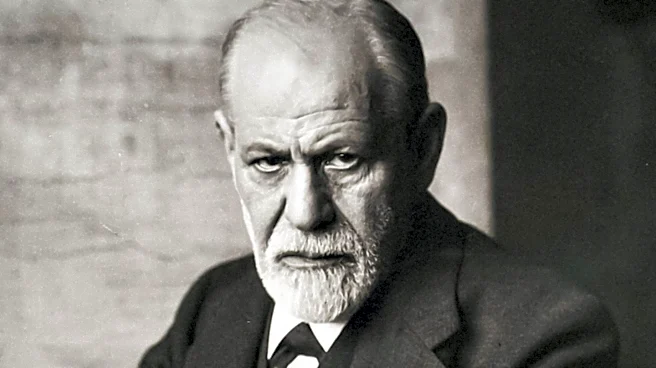







Sigmund Freud's work on dream interpretation revolutionized the field of psychology and introduced a new way of understanding the human mind. His book, "The Interpretation of Dreams," is considered a cornerstone of psychoanalytic theory, offering insights into the unconscious mind and the symbolic nature of dreams. This article explores Freud's contributions to dream interpretation and the lasting impact of his theories.
Freud's Theories on Dreams
Freud's approach to dream interpretation
was rooted in the belief that dreams are a manifestation of the unconscious mind. He proposed that dreams are a form of wish fulfillment, where repressed desires and unresolved conflicts find expression. According to Freud, the content of dreams is divided into two parts: the manifest content, which is the dream as remembered by the dreamer, and the latent content, which represents the hidden psychological meaning.
Freud introduced the concept of free association as a method to uncover the latent content of dreams. By encouraging patients to speak freely about their thoughts and associations related to dream elements, Freud aimed to reveal the underlying desires and conflicts. This technique became a fundamental aspect of psychoanalysis, emphasizing the importance of exploring the unconscious mind.
The Impact of "The Interpretation of Dreams"
Published in 1899, "The Interpretation of Dreams" marked a turning point in the study of dreams and psychology. Freud's work challenged the prevailing views of dreams as mere random occurrences or divine messages. Instead, he presented dreams as meaningful psychological phenomena that could be analyzed and understood.
Freud's theories on dream interpretation had a profound impact on both psychology and popular culture. His ideas about the symbolic nature of dreams and the role of the unconscious mind influenced not only the field of psychoanalysis but also literature, art, and film. The notion that dreams could reveal hidden aspects of the self resonated with many, leading to a broader interest in exploring the subconscious.
Legacy and Continuing Influence
Freud's contributions to dream interpretation continue to be a subject of study and debate. While some aspects of his theories have been criticized or revised, the fundamental idea that dreams are connected to the unconscious mind remains influential. Freud's work laid the groundwork for future explorations into the nature of dreams and the complexities of the human psyche.
Today, dream interpretation is a multidisciplinary field, incorporating insights from psychology, neuroscience, and cultural studies. Freud's pioneering work serves as a reminder of the enduring fascination with dreams and the quest to understand the mysteries of the mind.