
Baseball broadcasting has undergone significant changes since its inception, evolving from radio to television and transforming how fans experience the game. This transition not only altered the way games were consumed but also influenced the sport's popularity and accessibility. By examining the early days of radio broadcasts and the subsequent shift to television, we can understand the profound impact these media had on baseball.
The Birth of Baseball Radio Broadcasting
The journey of baseball
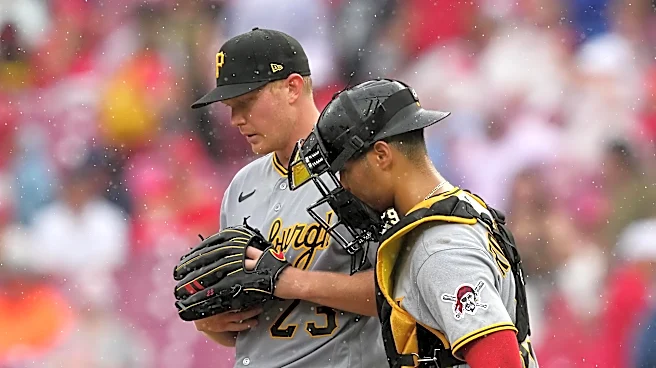
broadcasting began on August 5, 1921, when Harold Arlin, an engineer for Westinghouse Electric, called the first Major League Baseball game on the radio. This historic broadcast featured the Pittsburgh Pirates and the Philadelphia Phillies, with the Pirates emerging victorious. Arlin's use of a converted telephone as a microphone marked the beginning of a new era in sports broadcasting. His broadcasts quickly gained popularity, drawing record numbers of fans to Forbes Field to witness the games in person.
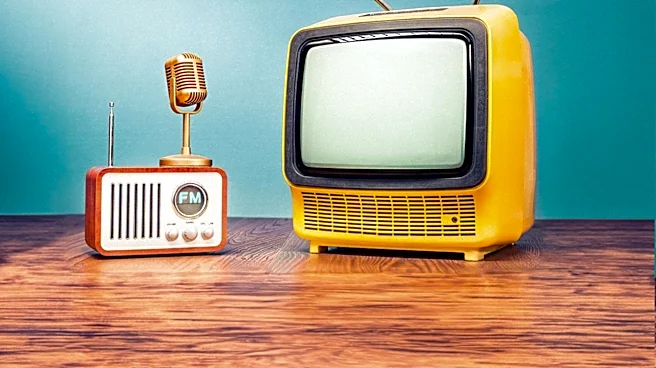
As radio technology developed throughout the 1920s, networks like CBS and NBC capitalized on its potential to reach a wide audience. Despite initial reluctance from many teams, fearing that radio broadcasts would deter fans from attending games, the medium became an essential tool for sports fans. Stores and shops even mounted loudspeakers outside to allow passersby to listen to the games, further embedding baseball into the cultural fabric of the time.
The Advent of Television in Baseball
The transition from radio to television began in the late 1930s, with the first-ever televised baseball game airing on May 17, 1939. This game, between Princeton and Columbia, was broadcast on NBC's experimental station W2XBS. Later that year, on August 26, the first Major League Baseball game was televised, featuring a doubleheader between the Brooklyn Dodgers and the Cincinnati Reds. Red Barber announced the game, which was captured by just two cameras.
Television brought a new dimension to baseball broadcasting, offering visual access to the game that radio could not provide. Despite the limited technology of the time, with only two cameras and no monitors for the announcers, television broadcasts began to capture the imagination of fans. This new medium allowed viewers to experience the game in a more immersive way, setting the stage for the future of sports broadcasting.
The Impact of Broadcasting on Baseball's Popularity
The introduction of radio and television broadcasts significantly impacted baseball's popularity and accessibility. Radio broadcasts allowed fans who could not attend games in person to follow their favorite teams, while television brought the action into living rooms across the country. This increased exposure helped to grow the sport's fan base and solidify its place as America's pastime.
As broadcasting technology continued to evolve, so too did the ways in which fans engaged with baseball. The transition from radio to television marked a pivotal moment in the sport's history, shaping how it was consumed and enjoyed by millions. Today, baseball broadcasting continues to evolve, with new technologies and platforms further enhancing the fan experience.