
The impeachment process against Richard Nixon was a significant event in U.S. history, marked by a series of investigations and political maneuvers that ultimately led to his resignation. This article
provides a detailed timeline of the events that unfolded during this tumultuous period, highlighting the key moments and decisions that shaped the outcome.
The Beginning of the Impeachment Process
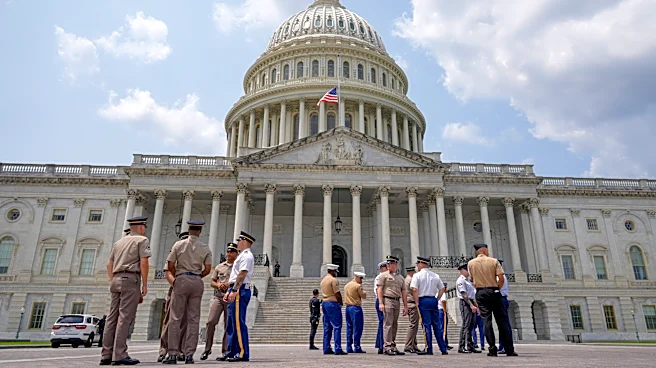
The impeachment process against Richard Nixon began in the United States House of Representatives on October 30, 1973. This was shortly after the "Saturday Night Massacre," a pivotal episode in the Watergate scandal. The House Committee on the Judiciary was tasked with investigating possible impeachable offenses by Nixon, who was the 37th president of the United States at the time.
On February 6, 1974, the House granted the Judiciary Committee the authority to investigate whether there were sufficient grounds to impeach Nixon for high crimes and misdemeanors under Article II, Section 4, of the United States Constitution. This marked the formal start of the impeachment inquiry, setting the stage for a thorough examination of Nixon's actions.
Key Developments in the Investigation
The investigation into Nixon's conduct was extensive, involving numerous hearings and the collection of substantial evidence. The House Judiciary Committee's inquiry was part of a broader effort to uncover the truth behind the Watergate scandal, which had already been the subject of a Senate investigation.
The Senate had previously established the Select Committee on Presidential Campaign Activities to investigate the 1972 break-in at the Democratic National Committee headquarters at the Watergate hotel in Washington, D.C. This Senate investigation laid the groundwork for the House's impeachment inquiry, providing crucial insights into the scandal's scope and implications.
Nixon's Resignation and the End of the Impeachment Process
Despite the mounting evidence and the approval of three articles of impeachment by the House Judiciary Committee, Nixon chose to resign before the full House could vote on the articles. On August 9, 1974, Nixon announced his resignation, effectively ending the impeachment process.
Nixon's resignation was a historic moment, marking the first time a U.S. president had resigned from office. It brought an abrupt end to the impeachment proceedings, which had been poised to become a defining chapter in American political history. The resolution containing the articles of impeachment became moot with Nixon's departure, closing a significant chapter in the Watergate saga.