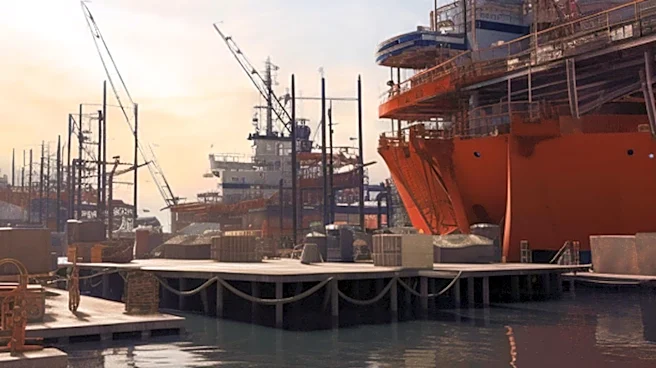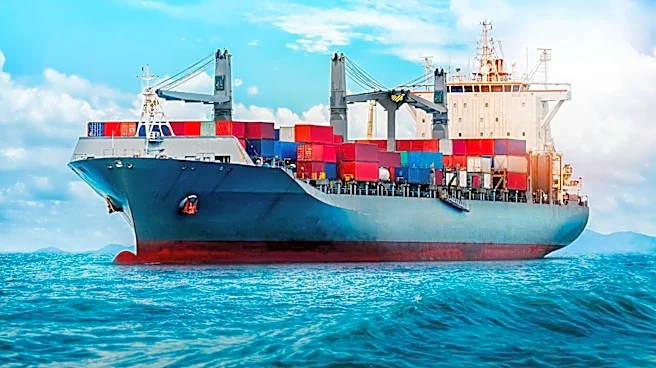






The history of oil tankers is a fascinating journey that reflects the technological advancements and growing demands of the oil industry. From their inception in the late 19th century to the massive supertankers of today, oil tankers have undergone significant transformations. This article explores the key milestones in the development of oil tankers, highlighting the innovations and changes that have shaped their evolution.
Early Developments in Oil Tanker Design
The development of oil
tankers began in the late 19th century, coinciding with the rise of the oil industry. As iron and steel hulls became more common, the design of tankers evolved to accommodate the need for transporting large quantities of oil. These early tankers were primarily used to transfer refined fuel in bulk from refineries to customers, where it would be stored in large tanks ashore before being subdivided for delivery.
The use of tankers quickly caught on, as it proved to be a more efficient method of transporting liquids in bulk. This efficiency was not limited to oil; even the Guinness brewery utilized tankers to transport stout across the Irish Sea. The adoption of tankers for various liquids demonstrated their versatility and the growing importance of bulk transport in the industrial age.
The Rise of Supertankers
As the demand for oil increased, so did the size and capacity of oil tankers. By the early 21st century, supertankers had become one of the three preferred methods for transporting large quantities of oil, alongside pipeline transport and rail. These massive vessels, such as the TI-class supertankers built in South Korea, entered service in the early 2000s and represented a significant leap in tanker design and capacity.
Supertankers are characterized by their enormous size, with some measuring over 400 meters in length and 69 meters in width. Their ability to carry vast amounts of oil across the globe has made them a crucial component of the modern oil supply chain. The development of supertankers reflects the ongoing need for efficient and cost-effective methods of transporting oil to meet global energy demands.
Technological Advancements and Future Prospects
The evolution of oil tankers has been driven by technological advancements and the need to improve safety and efficiency. Innovations in hull design, pumping systems, and navigation technology have all contributed to the modern tanker’s capabilities. These advancements have not only increased the capacity and speed of tankers but have also enhanced their safety and environmental performance.
Looking to the future, the continued development of oil tankers will likely focus on further improving efficiency and reducing environmental impact. As the world seeks to balance energy needs with environmental concerns, the role of oil tankers in the global energy landscape will continue to evolve. The history of oil tankers is a testament to the industry's ability to adapt and innovate in response to changing demands and challenges.