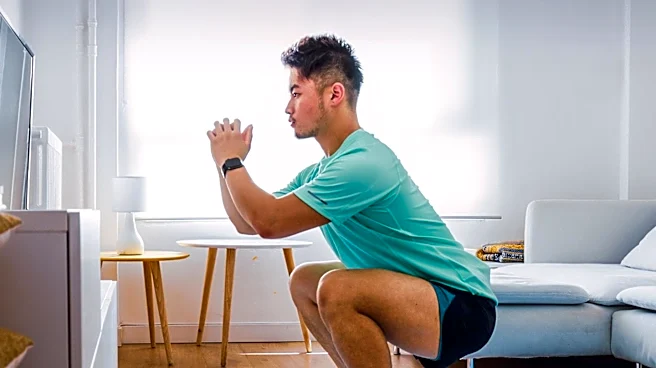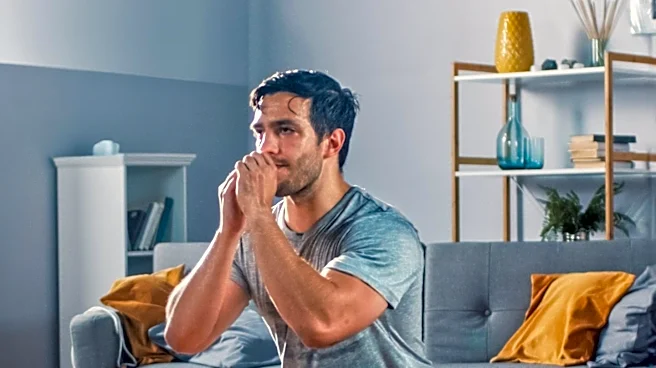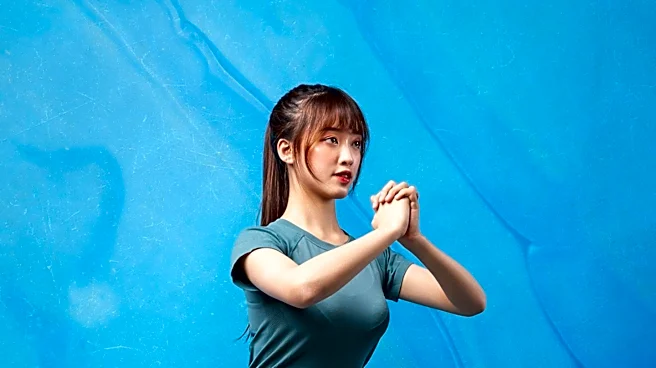


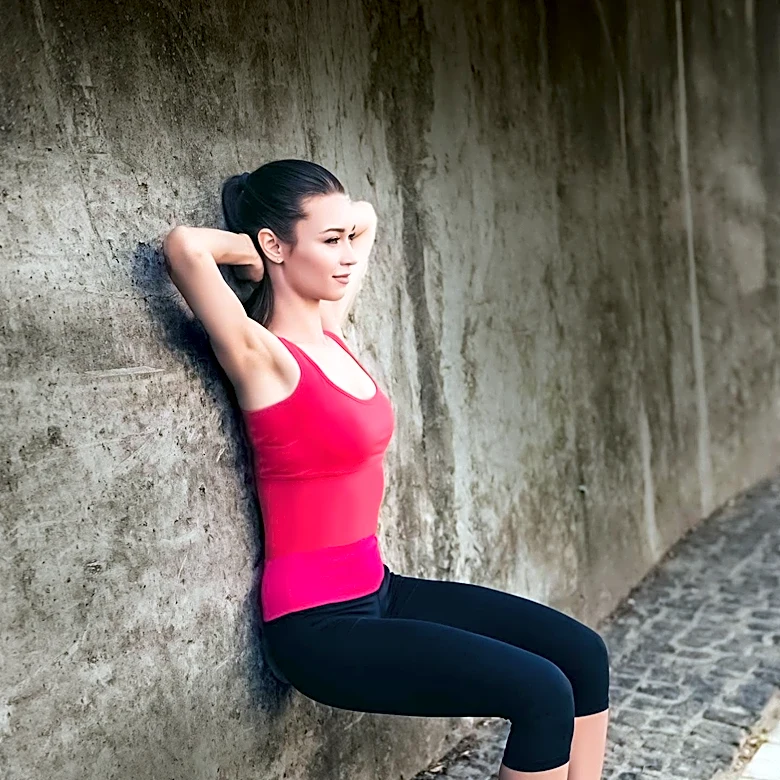
Squatting is a fundamental human posture characterized by the body's weight resting on the feet while the knees and hips are bent. This versatile position differs from sitting, where the body's weight is supported by the ischial tuberosities of the pelvis. The angle between the legs during a squat can vary significantly, from close together to widely splayed, depending on an individual's flexibility. The degree of forward tilt of the upper body from the hips is another
variable. Squatting can be either full or partial, and crouching is generally considered synonymous with squatting. Young children often instinctively adopt a squatting posture, highlighting its natural human origin.
The Pistol Squat and Its Athletic Demands
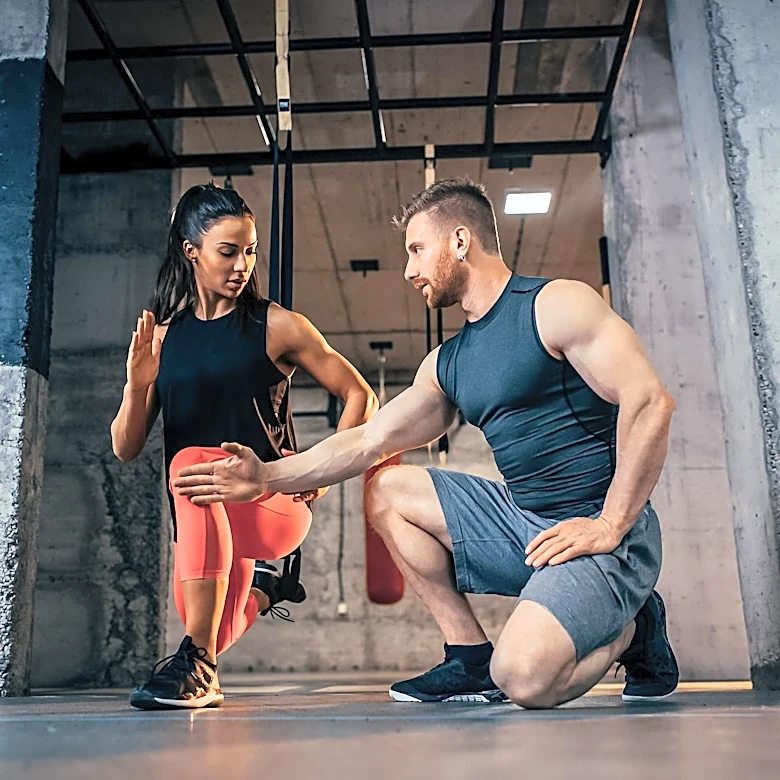
The pistol squat stands out as a specific type of squat, defined as a one-legged squat. It is recognized as a full-body exercise that primarily engages the muscles of the thighs, hips, and buttocks. Beyond muscle development, it also plays a crucial role in strengthening the bones, ligaments, and tendon insertions throughout the lower body. This makes it a comprehensive exercise for enhancing lower body strength and stability. Its challenging nature has led to its inclusion in high-level fitness competitions, such as the CrossFit Games, where athletes perform weighted pistol squats as a test of their physical prowess.
For example, in the 2013 CrossFit Games, the event "The Cinco 1" required competitors to execute weighted pistol squats. Men performed five repetitions per leg with a 53-pound weight, while women used a 35-pound weight. This demonstrates the exercise's status as a demanding movement that tests not only strength but also balance and coordination, making it a significant component of elite athletic training.
Cultural Variations and Health Aspects of Squatting
Squatting positions hold diverse cultural significance and practical applications across the globe. In East Asian cultures, including Chinese, Japanese, Korean, and Vietnamese societies, high flexion postures like kneeling and squatting are frequently used in daily activities, often taking the place of sitting or standing. This contrasts with North America, where kneeling or squatting is less common in daily life, typically reserved for occupational, religious, or leisure practices. Interestingly, the favored style of these high flexion postures also varies; Caucasians tend to flex the forefoot when kneeling or squatting, whereas East Asians are more likely to keep the foot flat on the ground.
While squatting can offer health benefits for societies that rarely engage in it, sustained squatting for many years and hours a day has been associated with an increased incidence of knee osteoarthritis. There is also evidence suggesting that prolonged squatting may lead to bilateral peroneal nerve palsy, commonly known as "squatter's palsy." However, squatting can also be beneficial, such as in cases of tetralogy of Fallot, a congenital heart disease. Toddlers and older children with this condition often instinctively squat during a "tet spell" to increase blood flow to the lungs, as squatting increases systemic vascular resistance and helps reverse the right-to-left shunt, thereby decreasing deoxygenated blood entering systemic circulation.